Bali has earned its place as Asia's default luxury escape, but it is one island, and an increasingly busy one. Look a little further and the region opens up into trips of very different character. Vietnam, Cambodia, Sri Lanka and Bhutan each reward a particular kind of traveller, and each runs to its own monsoon calendar. The sensible order is to choose the country for the trip you want, then the month for the country.
Vietnam: the long journey
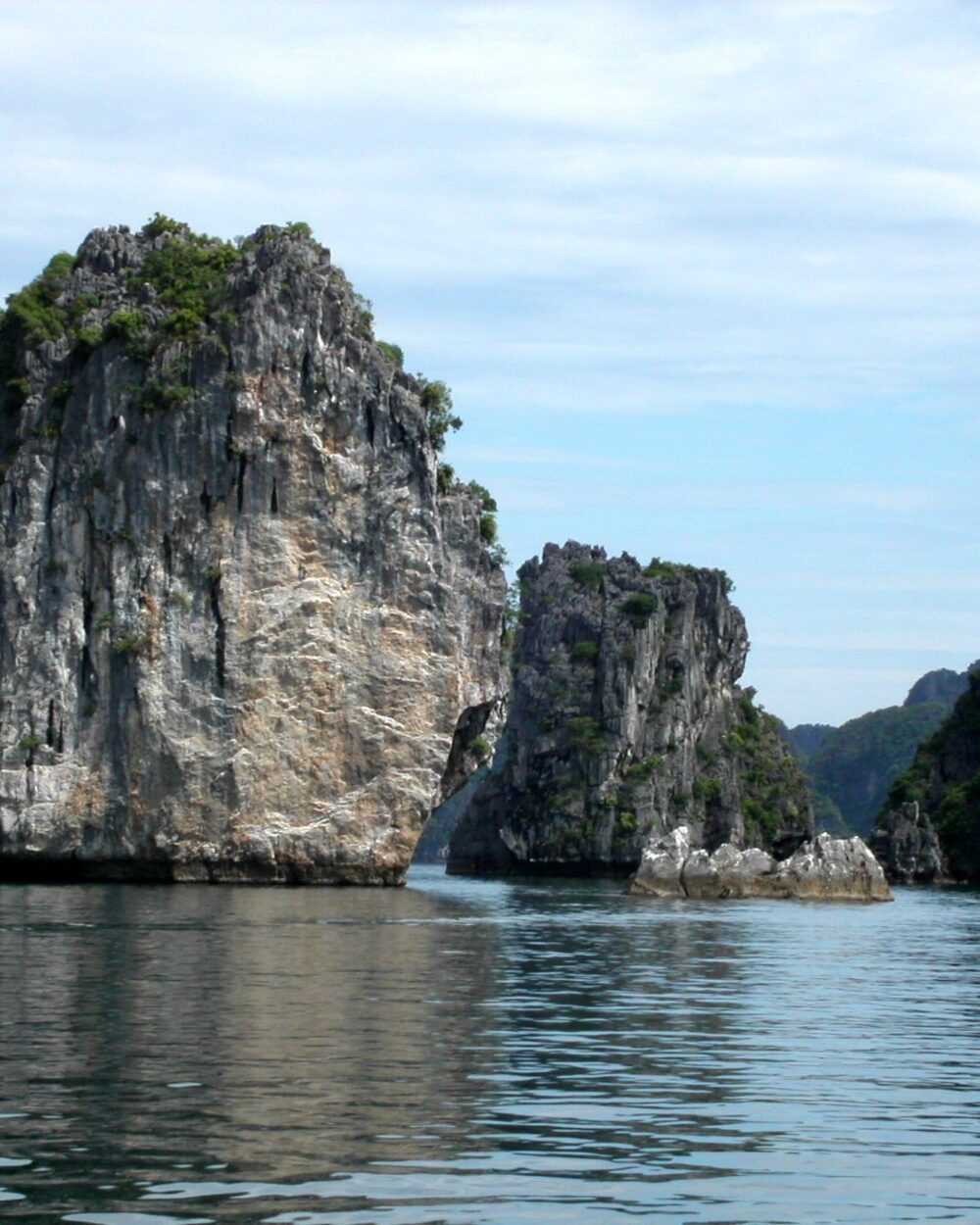
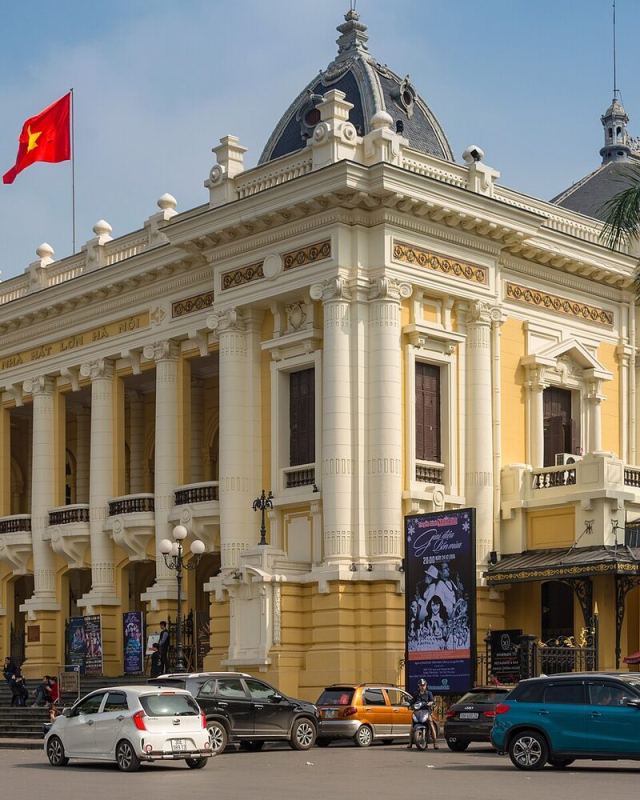
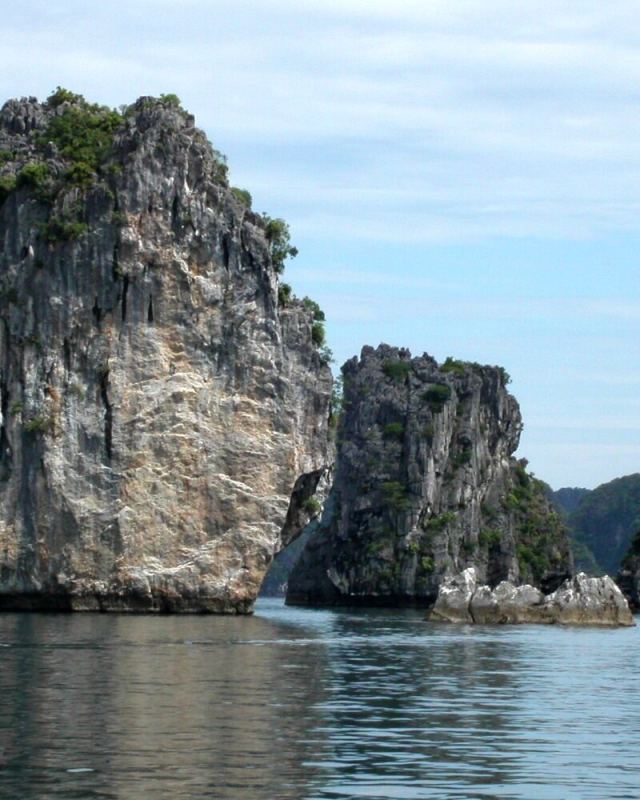
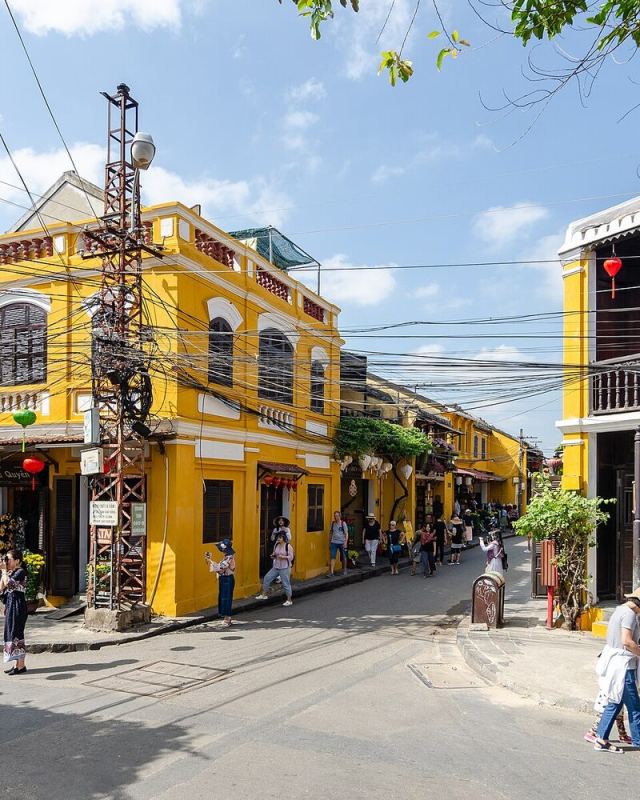
Vietnam is a long, narrow country, and it suits travellers who enjoy movement: a city, a bay, a beach, with some of Asia's best food at every stop. Hanoi is the natural start, and Capella Hanoi is a small, theatrical base beside the Opera House, its forty-seven rooms each imagined as a performer's dressing room, with the Old Quarter and Hoan Kiem Lake on foot. From there, a voyage aboard Heritage Cruises Binh Chuan, a twenty-suite vessel dressed in 1930s Indochine style, shows the drowned limestone landscape of Ha Long through the quieter channels of Lan Ha Bay, where the day-boat traffic thins. Then fly to the central coast for Four Seasons Resort The Nam Hai, whose raised timber villas line a broad stretch of sand between Da Nang and Hoi An's old town.
The complication is weather, which runs to three regimes. The north has hot, wet summers and cool, often grey winters. The central coast is at its best from spring through summer, then takes heavy rain and rough seas from around October to December. The south is dry from roughly December to April and wet from May to October. For a north-to-south trip, March and April are the most forgiving months; in high summer, typhoons can cancel bay sailings at short notice.
Cambodia: temples and wild country
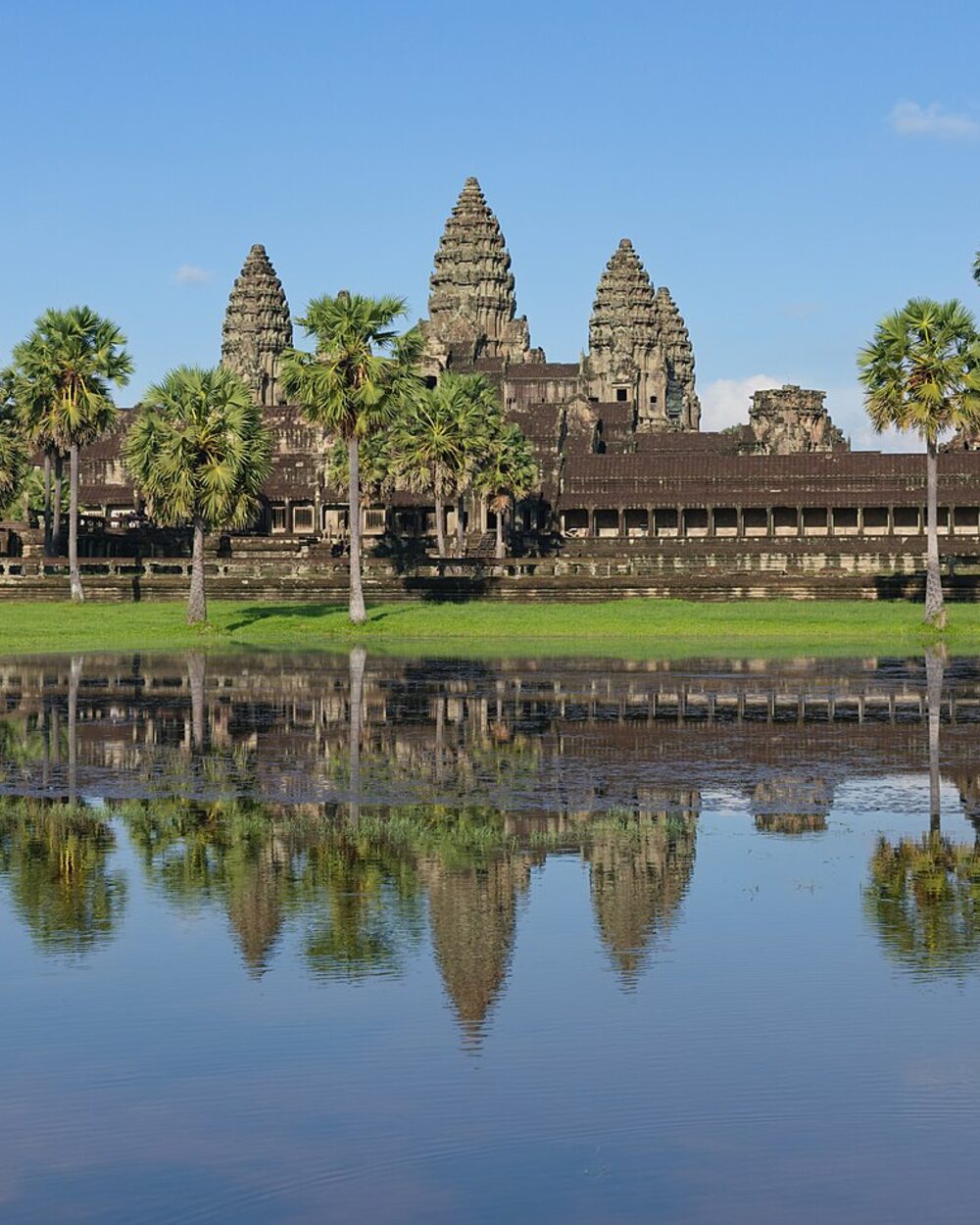
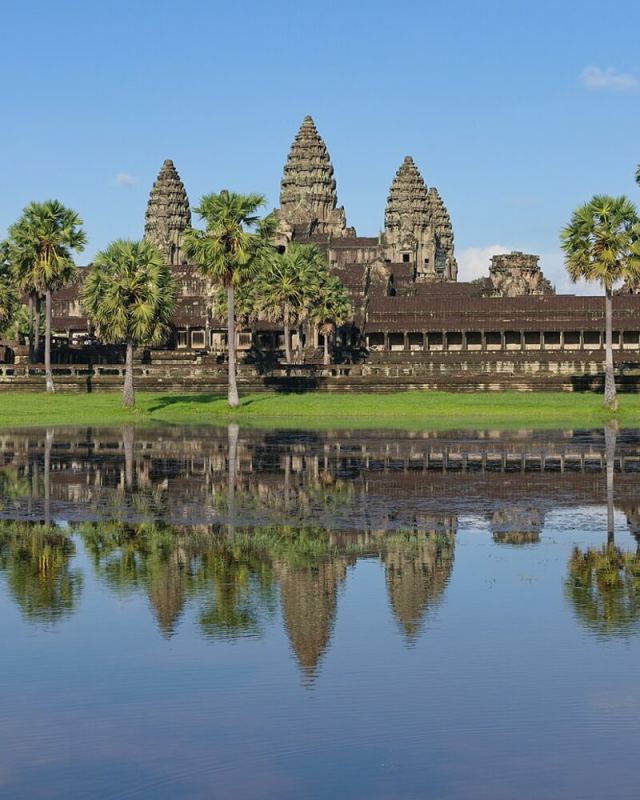
Cambodia suits a shorter, concentrated trip, and it is often added to Vietnam. The main event is Angkor, and the question is how to see it well. Amansara answers with access: a 1960s royal guest villa in Siem Reap turned into twenty-four suites, where every booking comes with a private guide and a remorque, the local motorbike-drawn carriage, for reaching the great temples before or after the crowds and quieter sites such as Banteay Srei further out. For something wilder, Shinta Mani Wild is a fifteen-tent camp on a river in the Cardamom Mountains, roughly four hours by road from Phnom Penh, where an all-inclusive rate covers boat expeditions, jungle walks and outings with the ranger patrols the camp funds.
The dry season runs from roughly November to April, with December to February the coolest and busiest months at Angkor; the heat builds through March to May. The wet season, from about May to October, leaves the moats and rice fields at their greenest and the temples quieter, though the Cardamoms are drenched from June and some activities are curtailed.
Photographs: Wikimedia Commons contributors — select to enlarge for full credits.
Sri Lanka: range in a small space
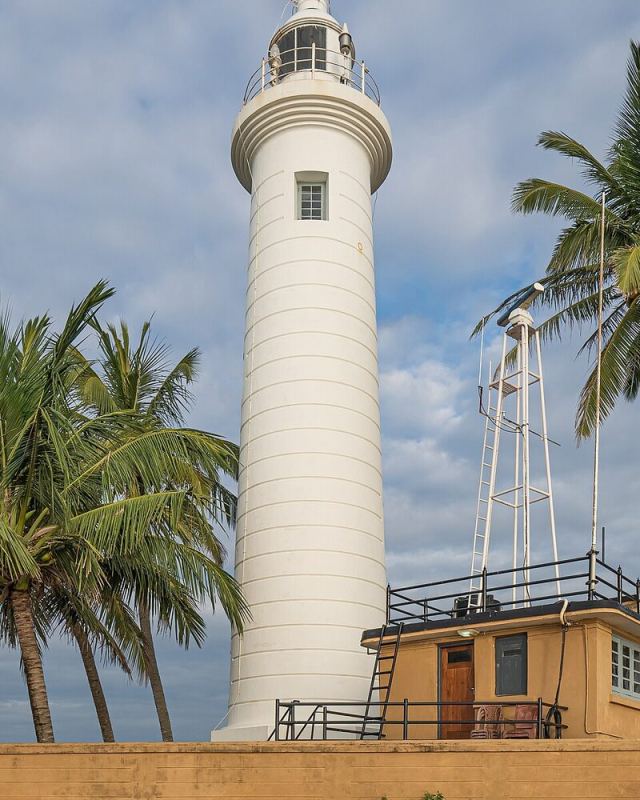
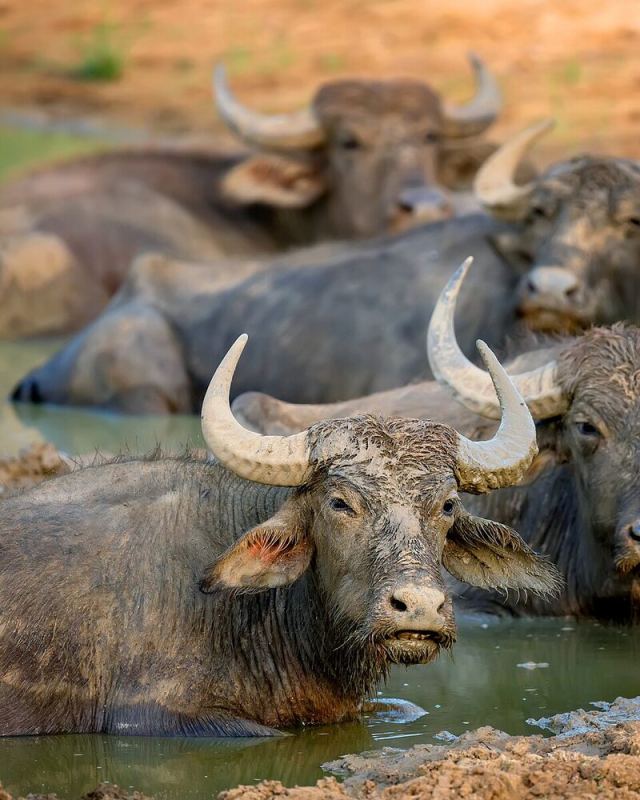
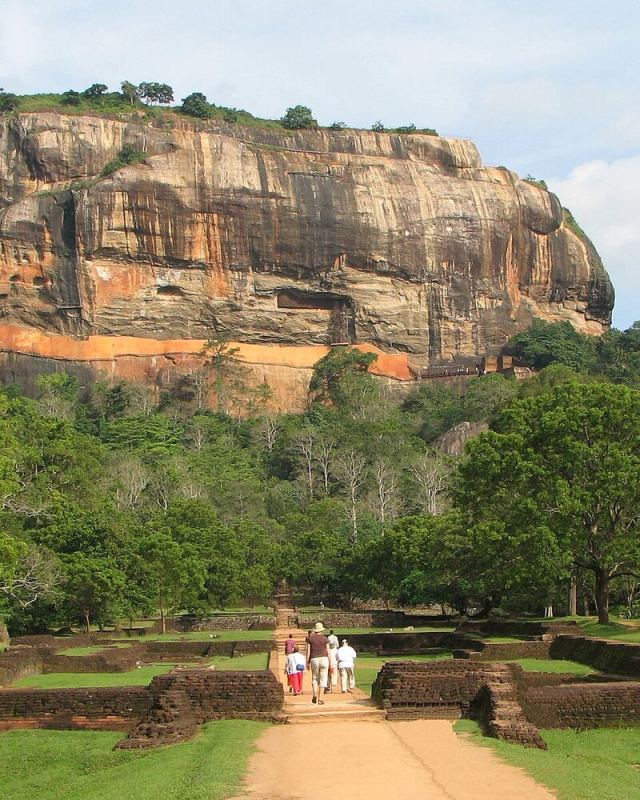
Sri Lanka's strength is variety within short distances: a Dutch colonial fort, leopards, ancient cities and tea country fit comfortably into a fortnight. On the south coast, Amangalla occupies a building dating from 1684 inside Galle Fort, for more than a century the New Oriental Hotel, with the ramparts on hand for an evening walk. Further east, Wild Coast Tented Lodge sits where Yala's scrub jungle meets the beach, its cocoon-shaped tents a base for dawn and late-afternoon drives in a park famous for its leopards. Inland, Water Garden Sigiriya sets thirty villas on small islands among channels and ponds, minutes from the rock fortress and within easy reach of Dambulla, Polonnaruwa and the elephant gatherings at Minneriya.
The island has two monsoons, which is useful rather than a nuisance. The southwest monsoon soaks the south and west coasts and the hill country from roughly May to September; the northeast monsoon wets the north, the east and the dry-zone interior from around October to January. From about January to March, the south coast and the Cultural Triangle are usually both in good shape. One practical catch: Yala's western block usually shuts for about a month from early September for maintenance.
Bhutan: slow travel at altitude
Bhutan is the opposite of a whistle-stop tour. Its tourism policy has long been framed as high value, low volume, and visitors pay a daily Sustainable Development Fee per person on top of accommodation and guiding. The rate has changed in recent years, so check the current figure when budgeting.
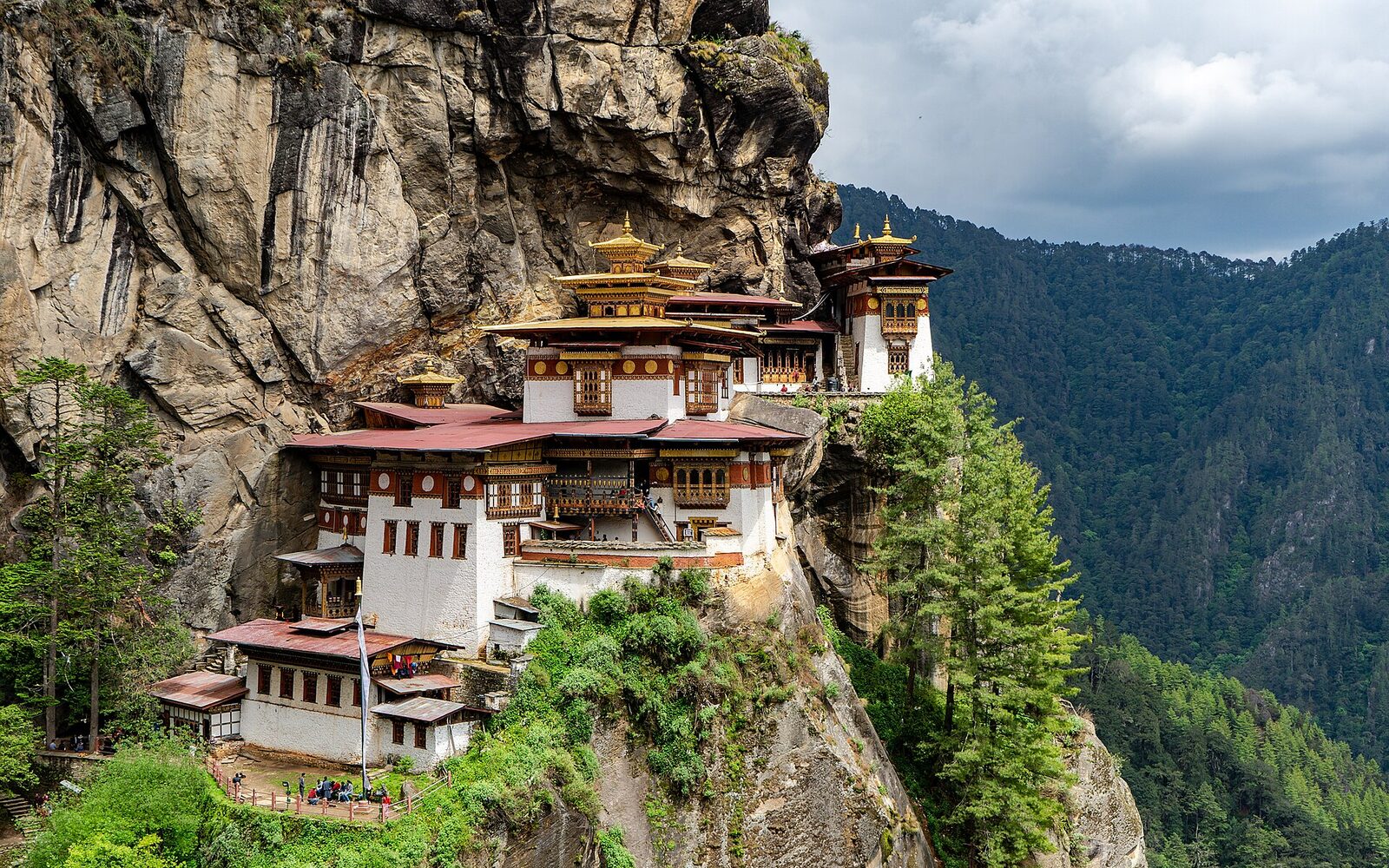
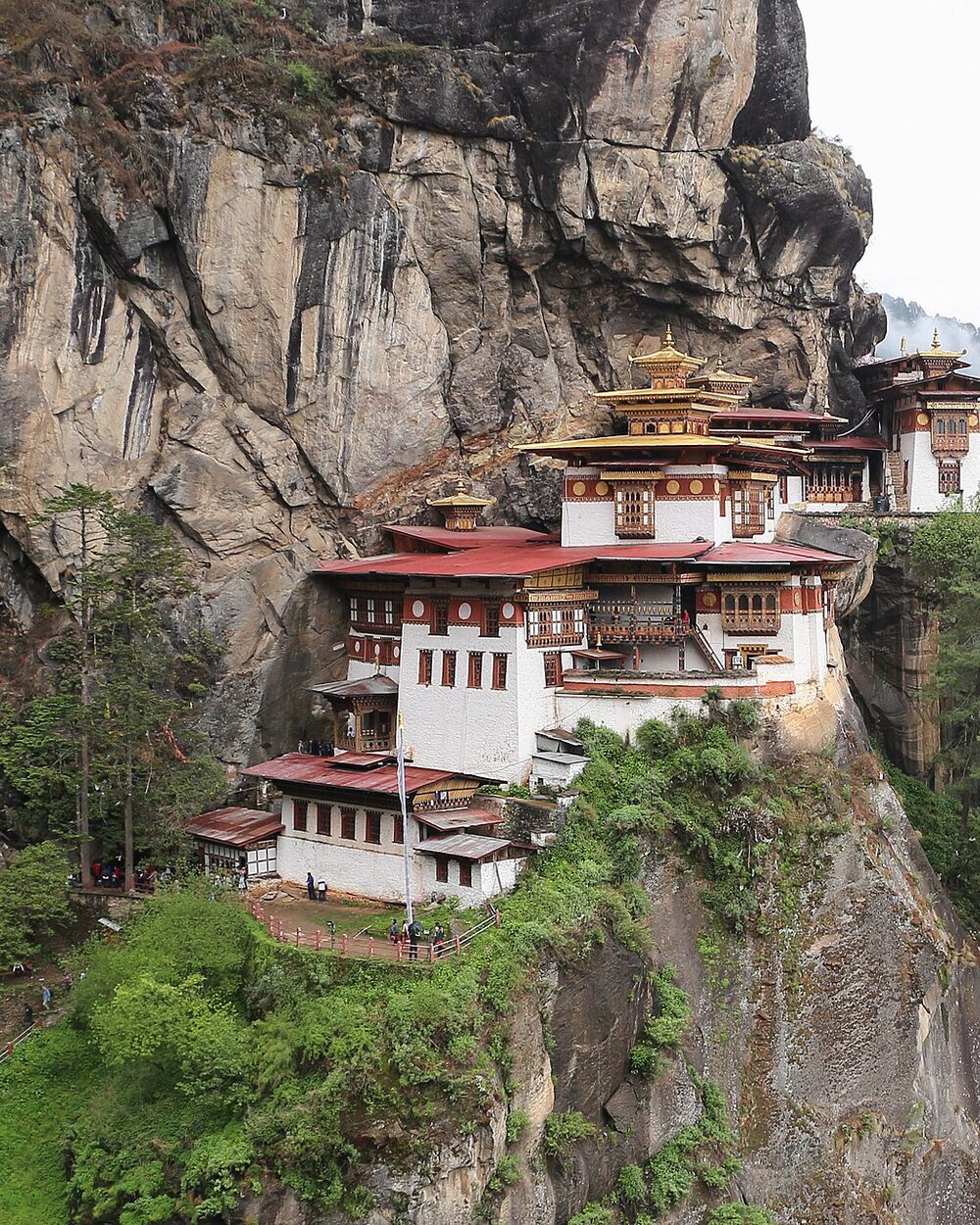
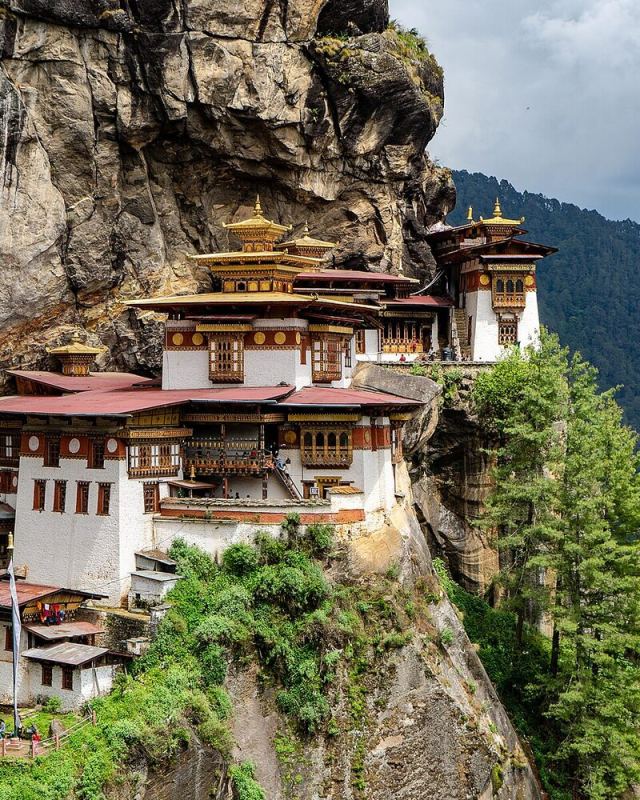
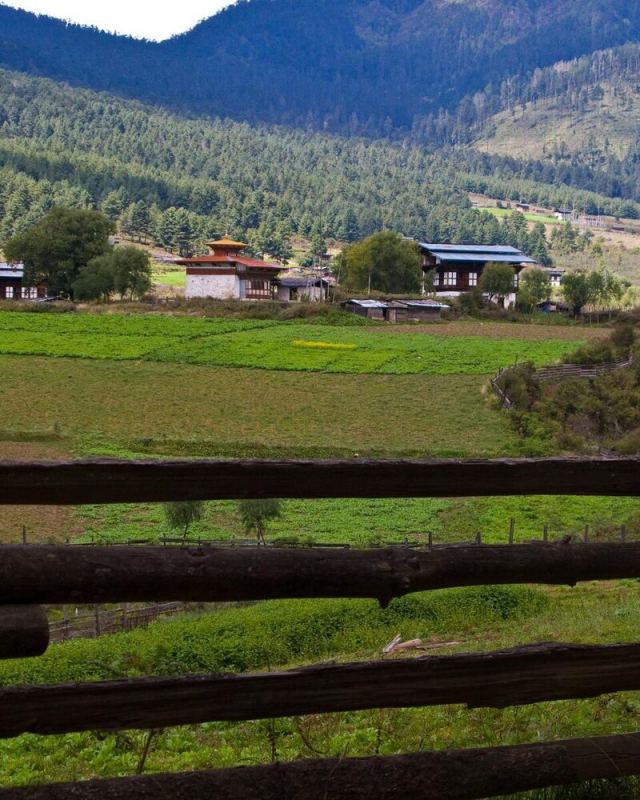
Most visitors move valley by valley with a guide and driver, and the lodges are built for that pace. Amankora Paro, in blue pine at the head of the Paro valley, is where many journeys begin or end, and the base for the climb to Taktsang, the Tiger's Nest monastery on its cliff face. Over the passes to the east, Gangtey Lodge has twelve suites facing the Phobjikha valley at around 3,000 metres, where black-necked cranes winter from roughly late October to February. Indicative rates in the directory start from around US$1,900 per night at Amankora Paro and US$700 at Gangtey Lodge, with the fee on top.
Spring, from March to May, and autumn, from late September to November, are the prime seasons, with clearer mountain views, good walking and the major tsechu festivals. The summer monsoon, June to August, brings cloud and rain; winter is cold and often bright, though high passes can close after snow.
Matching the trip to the month
- December to February: Cambodia's cool, dry peak, with southern Vietnam and Sri Lanka's south coast also in season.
- March and April: the best compromise for a full Vietnam journey, and spring in Bhutan.
- May to September: the southwest monsoon reaches Sri Lanka's south and west, but its east coast comes into its own, and central Vietnam's beaches are at their best until late summer.
- October and November: autumn in Bhutan, while Vietnam's central coast takes its heaviest rain.