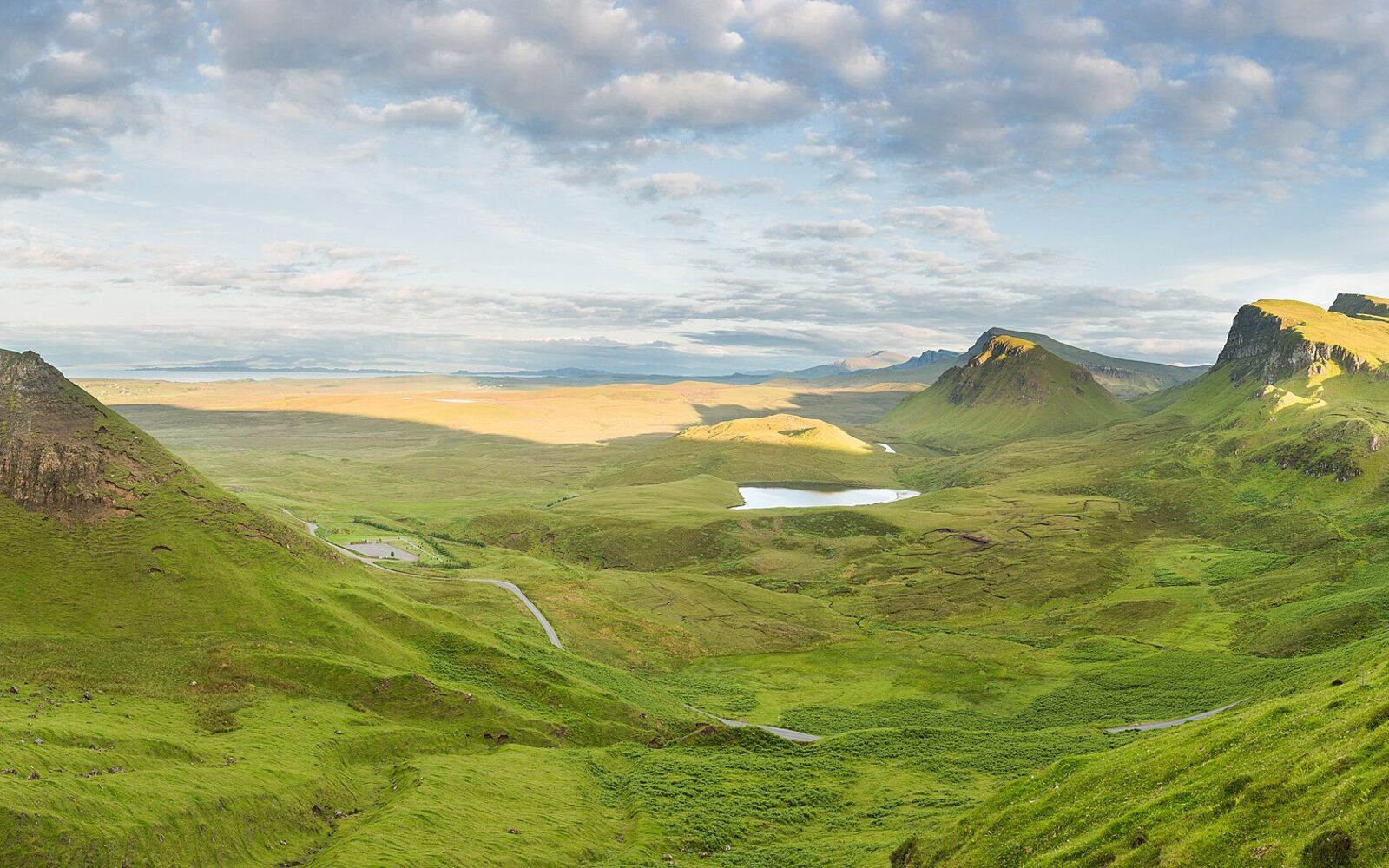
The north and west of Scotland look compact on a map and feel enormous on the ground. Roads narrow to single track with passing places, sea lochs force long detours, and the islands depend on ferries that fill in summer and stop for gales in winter. The retreats here reward two or three bases held for several nights each, rather than a new bed every evening.
Skye: choose your end of the island
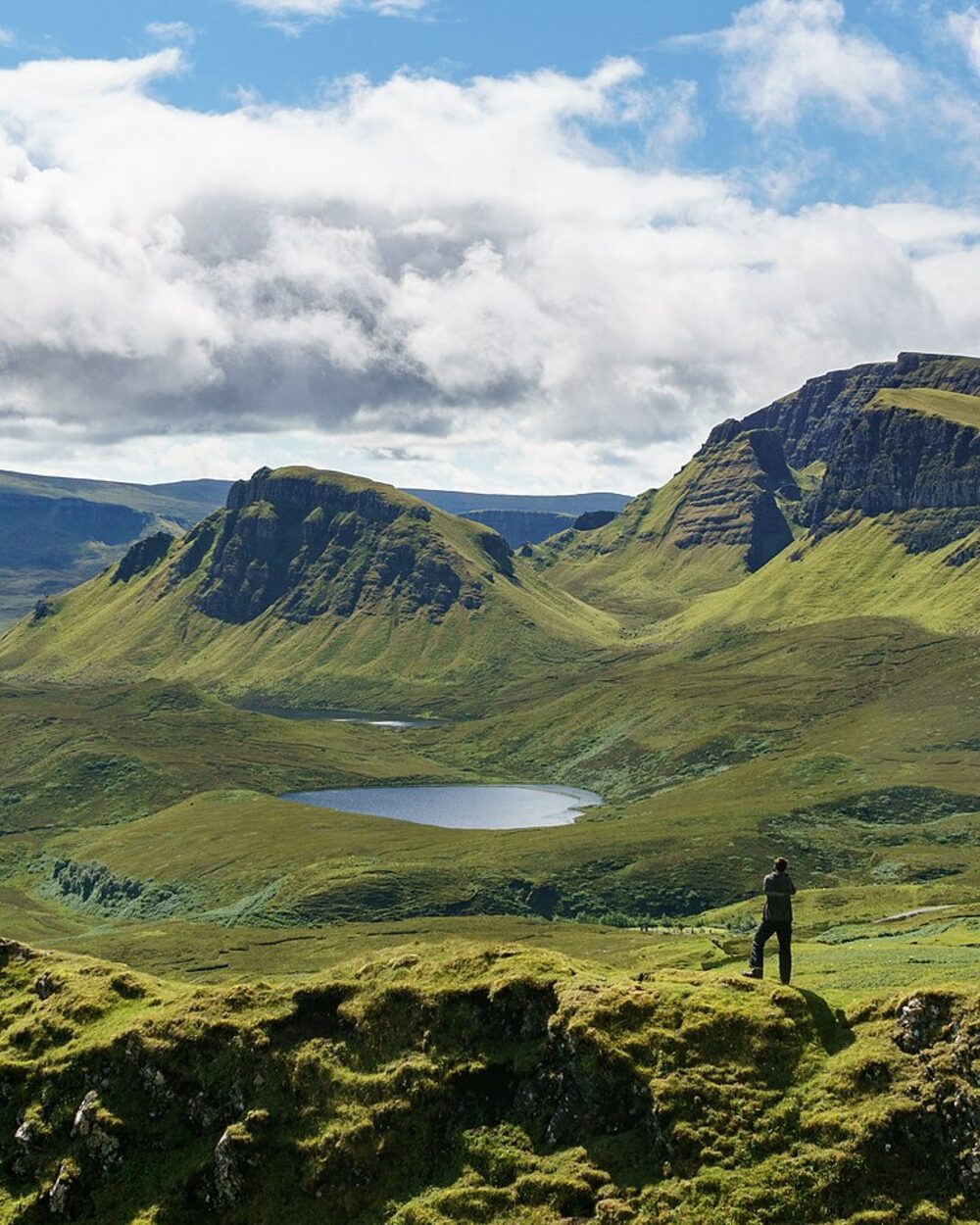
Skye has been joined to the mainland by bridge since 1995, and the ferry from Mallaig to Armadale offers a more scenic approach from the south. Most visitors crowd into the north of the island, a good argument for staying at one of its quieter ends.
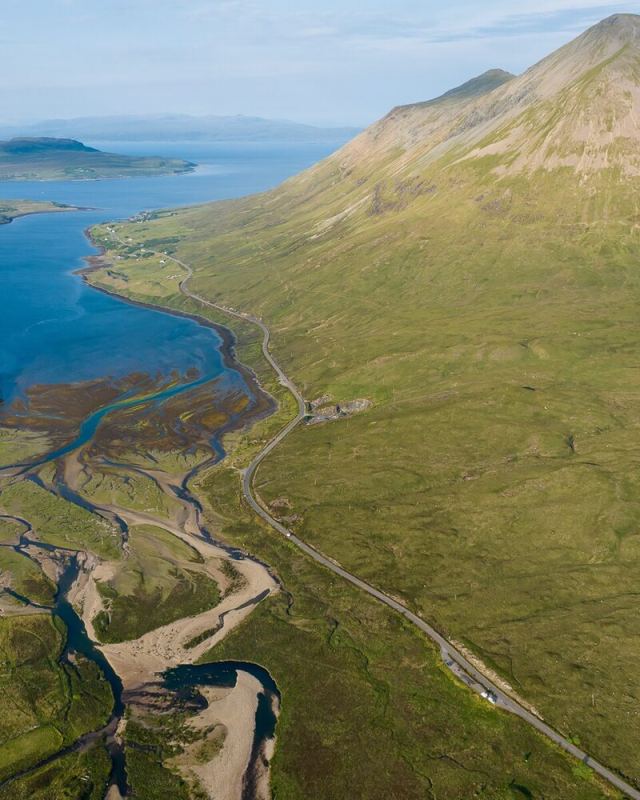
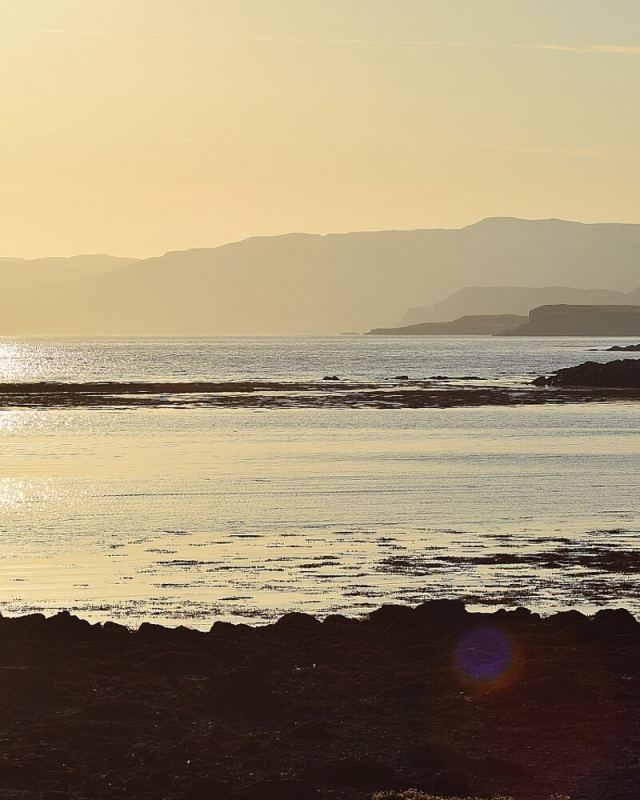
On Sleat, Skye's gentle, wooded south, Kinloch Lodge looks down Loch na Dal to the mainland hills. Once a farmhouse and later a Macdonald hunting lodge, it is still owned and run by the family. Fifteen rooms span the original lodge and a second house beside it, with a drawing room made for peat fires and wet afternoons and a kitchen, recognised by Michelin, cooking shellfish landed nearby, Skye lamb and venison from the hill. Rooms from around £395 a night.
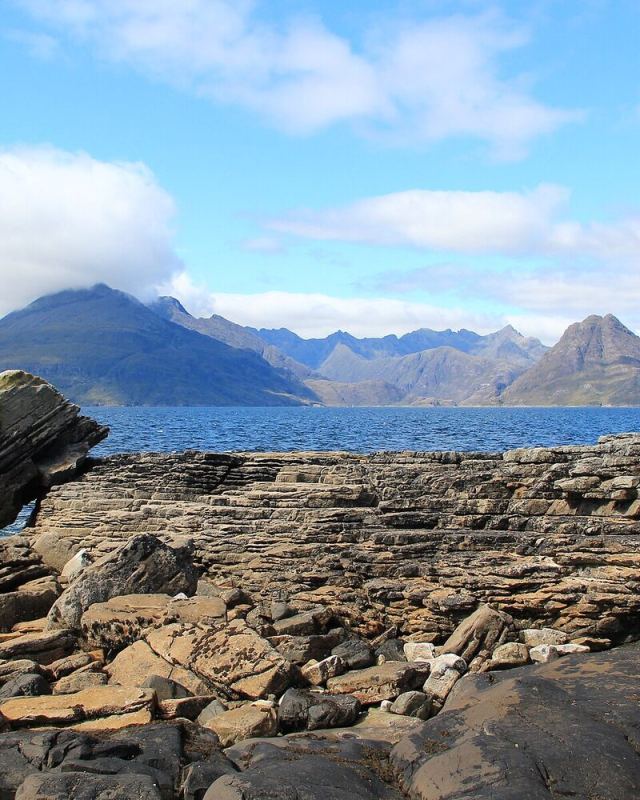
Coruisk House sits at the other extreme, near the end of the fourteen-mile single-track road from Broadford to Elgol. This converted croft has only four bedrooms, and the draw is a daily-changing four-course dinner served at one sitting. Across Loch Scavaig rises the Cuillin ridge, and boats leave Elgol pier for Loch Coruisk itself. Adults and older children only; rooms from around £200.
Harris and Orkney: islands that need a boat
Harris is reached by ferry from Uig on Skye to Tarbert, or from Ullapool to Stornoway on Lewis and then south by road. Orkney has sailings from Aberdeen and Scrabster, a shorter crossing from Gills Bay, and flights into Kirkwall. In high summer, book vehicle space as soon as your dates are fixed, and leave a spare day before any onward flight, because weather can and does cancel sailings.
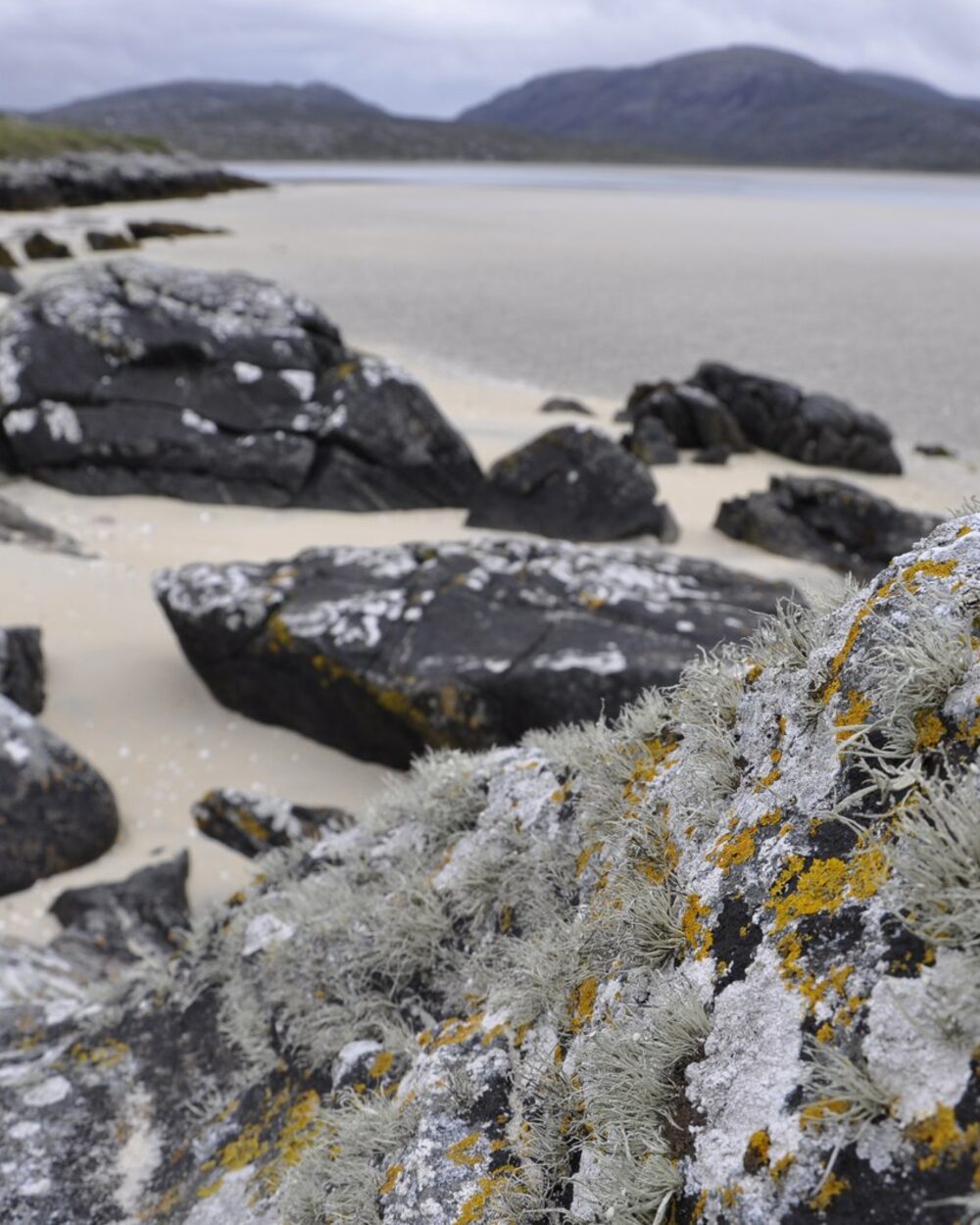
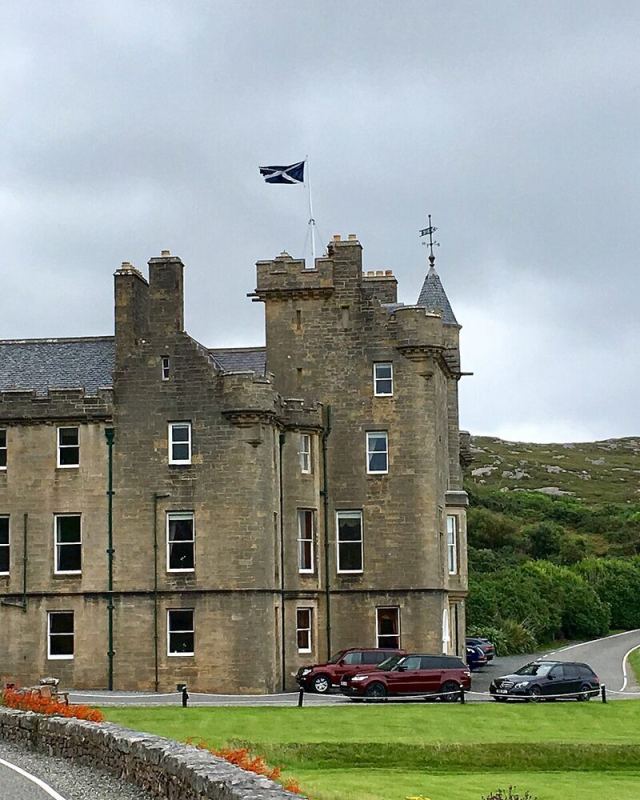
Amhuinnsuidhe Castle is the most singular address in the region. Built in the 1860s facing Loch Leosavay, it has hills at its back and a waterfall spilling past the house and down to the sea. Rooms are never sold singly: a party takes the castle for a week in the sporting season, staffed and catered, with salmon and sea trout fishing, resident ghillies and a day's stalking included. Weekly exclusive-use lets start from around £29,200, typically for twelve guests in eight bedrooms. Luskentyre's beaches are a short drive away.
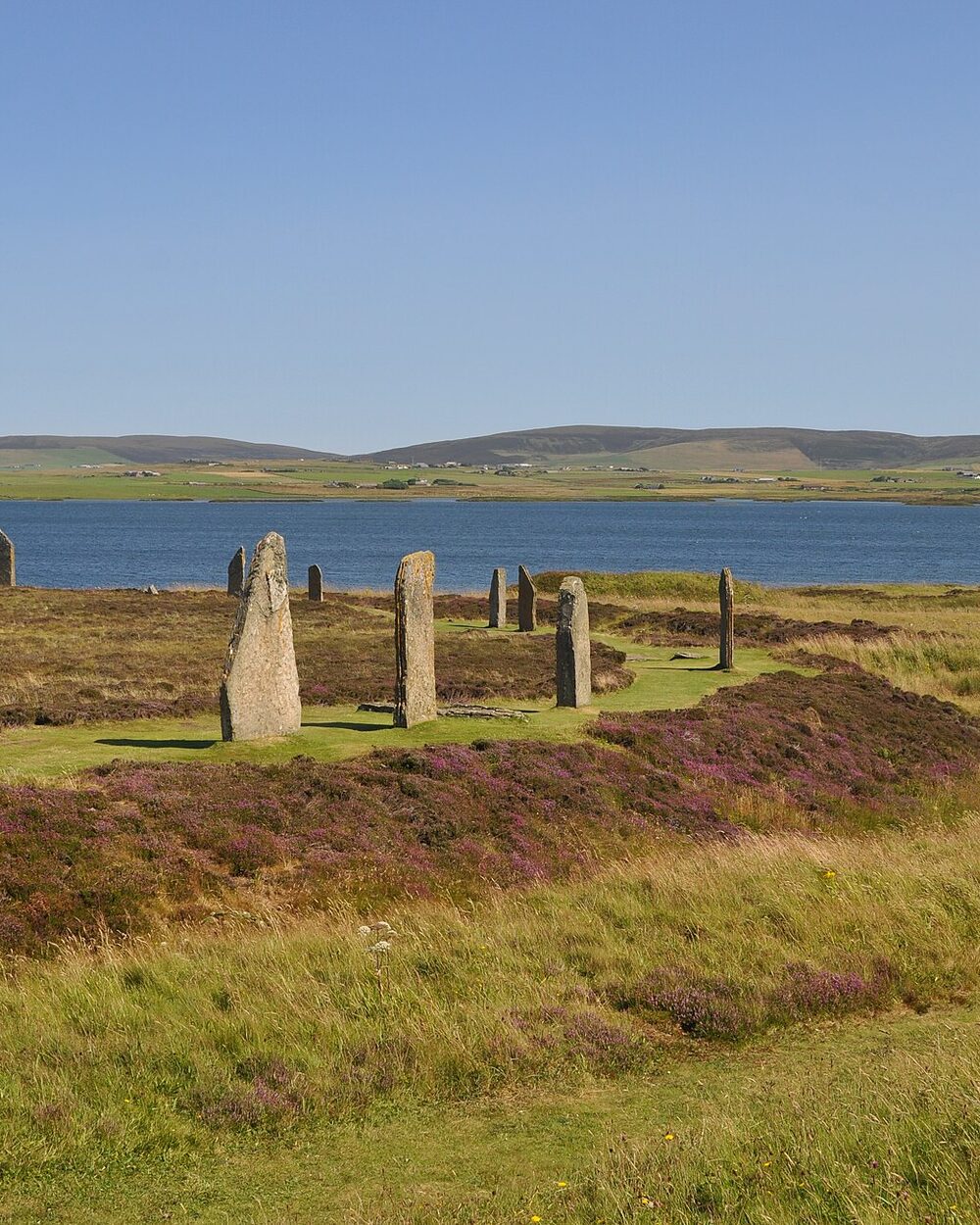
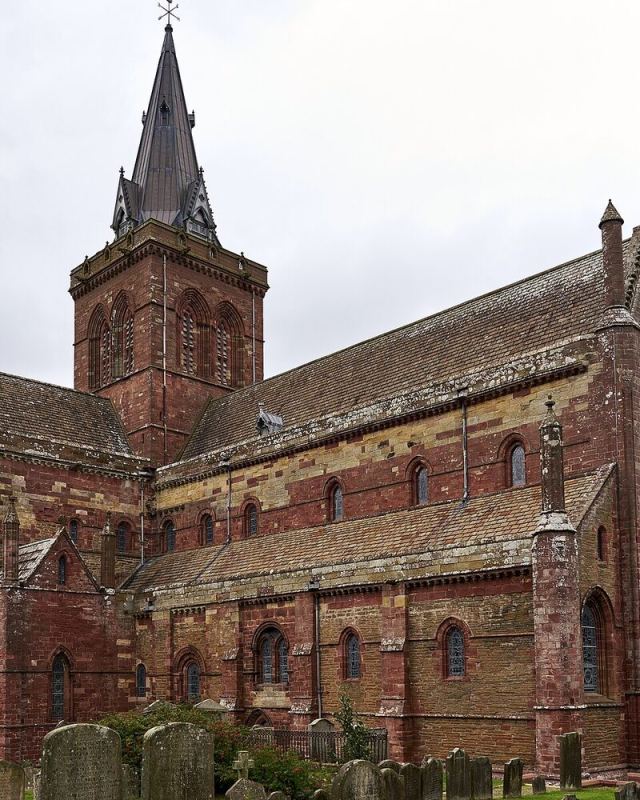
The Storehouse Restaurant with Rooms is a simpler proposition: eight rooms above a restaurant in an old merchant's building on Kirkwall's harbour front, with salvaged ship timbers left on show. The kitchen works through Orkney's shellfish, beef and dairy. St Magnus Cathedral is two minutes' walk away, and Skara Brae, Maeshowe and the Ring of Brodgar all lie within half an hour. Rooms from around £140, with especially good value in winter.
Photographs: Wikimedia Commons contributors — select to enlarge for full credits.
Wester Ross and Sutherland: slow down on the North Coast 500
The route around the far north has become famous, and busy. Drive less of it and stop for longer.
The Torridon was built in 1887 as a sporting lodge and stands in 58 acres where Loch Torridon ends, beneath the steep walls of Liathach, Beinn Eighe and Beinn Alligin. Dinner is in the ambitious 1887 Restaurant or the easy-going Bo & Muc Brasserie, the bars stock several hundred whiskies, and the hotel's own Torridon Outdoors guides lead sea kayaking, gorge scrambling and ridge days. Rooms from around £535.
Further north, Inver Lodge is cut into the slope over Lochinver bay, so each room looks west to the open sea, with Suilven, Canisp and Quinag rising alone from the Assynt moorland behind. The menu leans on what the boats land at the pier below. It opens roughly from April to late October, with rooms from around £370.
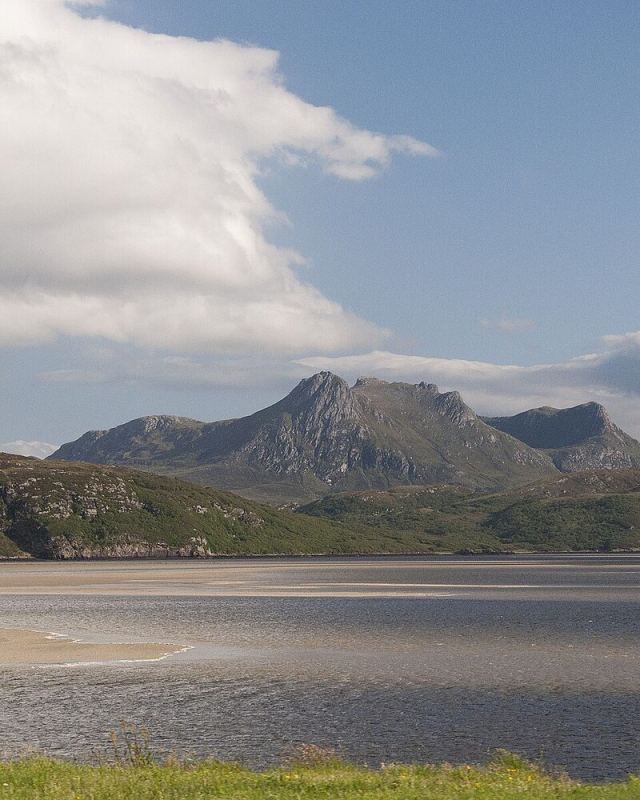
On the north coast itself, Lundies House, a converted nineteenth-century manse in Tongue, looks across the Kyle to Ben Loyal. It belongs to the conservation-minded Wildland group and is pared back to pale walls, undyed linen and Danish furniture. Stays are full board, packed lunch and candlelit dinner included, from around £495, and a yurt sauna with a cold plunge waits at the end of the day.
Argyll and Islay: the gentler west
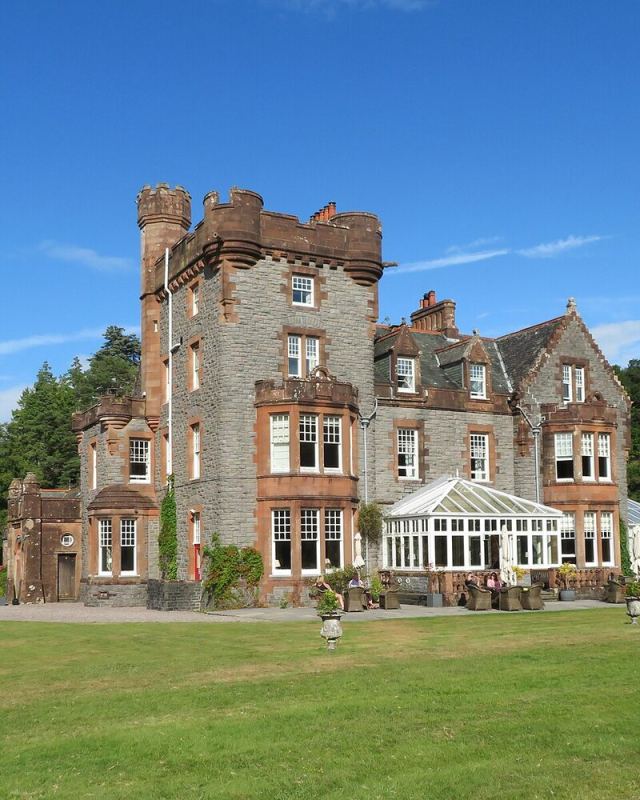
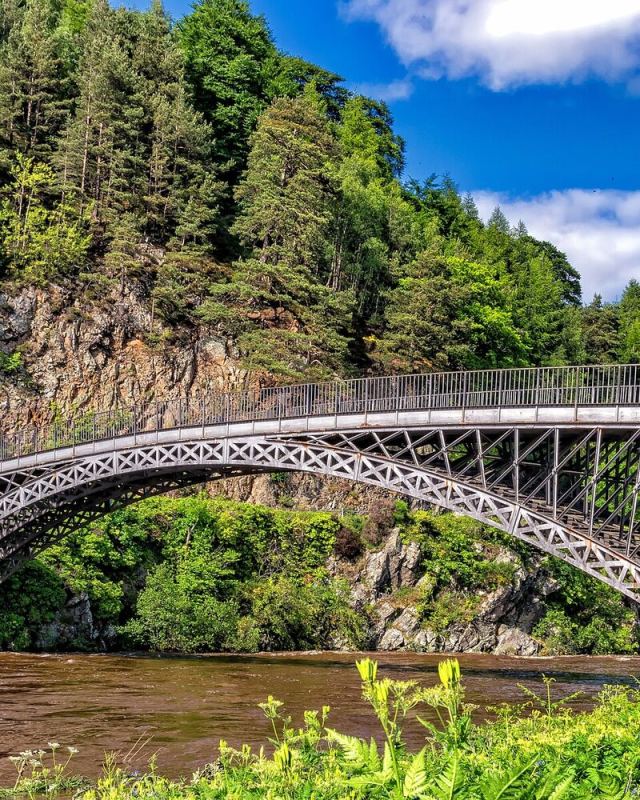
Argyll lies within a few hours of Glasgow and feels softer: woodland, sheltered sea lochs and shorter drives. Isle of Eriska Hotel, Spa & Island is a 300-acre private island where Loch Linnhe meets Loch Creran, reached across one Victorian iron bridge. An 1884 baronial house holds the main rooms, while the cottages, with private gardens and outdoor hot tubs, are the island's signature, and at dusk fallow deer wander out onto the lawns. Rooms from around £395.
Islay is a ferry crossing from Kennacraig on Kintyre, or a short flight from Glasgow. Another Place, The Machrie looks over Laggan Bay and a links course first laid out in the 1890s, with 43 rooms and lodges and, out in the dunes, two wood-fired tubs, a cold plunge and a sauna. The Laphroaig, Lagavulin and Ardbeg distilleries line the coast road just beyond Port Ellen. It is reported to close from mid-November to mid-February; rooms from around £180.
Speyside, and when to go
Speyside is the most accessible corner of the Highlands, within reach of both Inverness and Aberdeen. Craigellachie Hotel, built in 1893 where the Fiddich meets the Spey, is the classic whisky base: its Quaich Bar holds more than seven hundred single malts, the Speyside Way runs right past, and Macallan, Aberlour and Glenfiddich are a short drive away. Rooms from around £155.
Each season makes a different trade:
- May and June bring the longest days, and in Orkney it barely gets dark around midsummer. Late spring is often drier than high summer, and the midges have yet to peak.
- July and August are warmest and busiest, with ferries at their fullest. Midges gather on still, damp evenings in the west.
- September and October bring the red deer rut, autumn colour and emptier roads, though some properties start to close for winter.
- Winter means six or seven hours of daylight in the far north, but also empty roads and, on clear nights, the chance of an aurora.
All prices are indicative starting rates and vary by season.