The Caribbean is often sold as a single product: white sand, warm water, a rum punch at sunset. The islands themselves are far more varied: volcanic or flat, British, French or fiercely their own, busy or almost empty. The right choice depends less on the beach, which is excellent almost everywhere, than on what you want from the rest of the day, and on how much travelling you are prepared to do to get there.
Barbados and Antigua: the easy classics
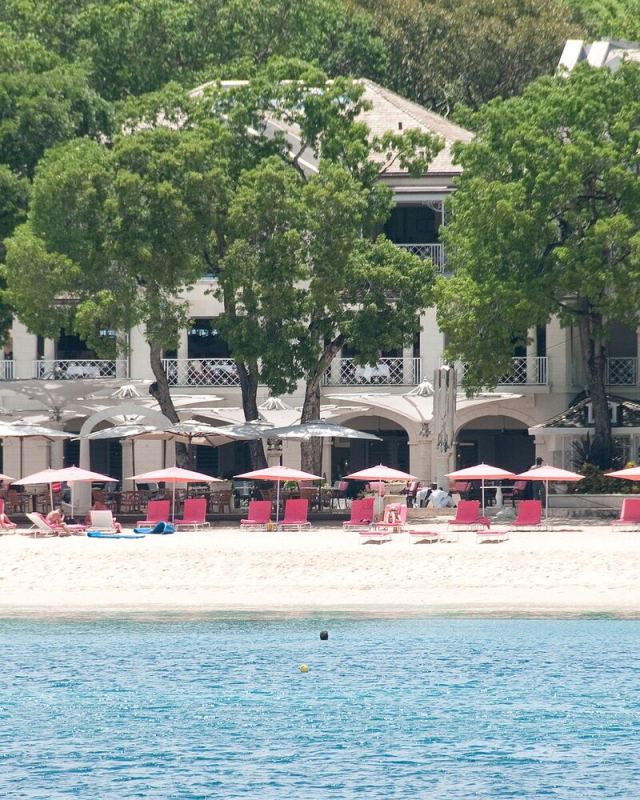
Barbados is the island many British travellers know first, and for good reason: direct flights from the UK, a calm, sheltered west coast and a long tradition of country-house-style hotels. Sandy Lane, built from honey-coloured coral stone in 1961, remains the island's benchmark, with forty-five holes of golf, a large spa and an unhurried formality that keeps families returning across generations. For something gentler, Coral Reef Club, run by the O'Hara family for generations, spreads cottage suites through twelve acres of gardens above a private beach at Holetown. Barbados also sits towards the southern edge of the hurricane belt and is struck less often than islands further north, though it is not immune.
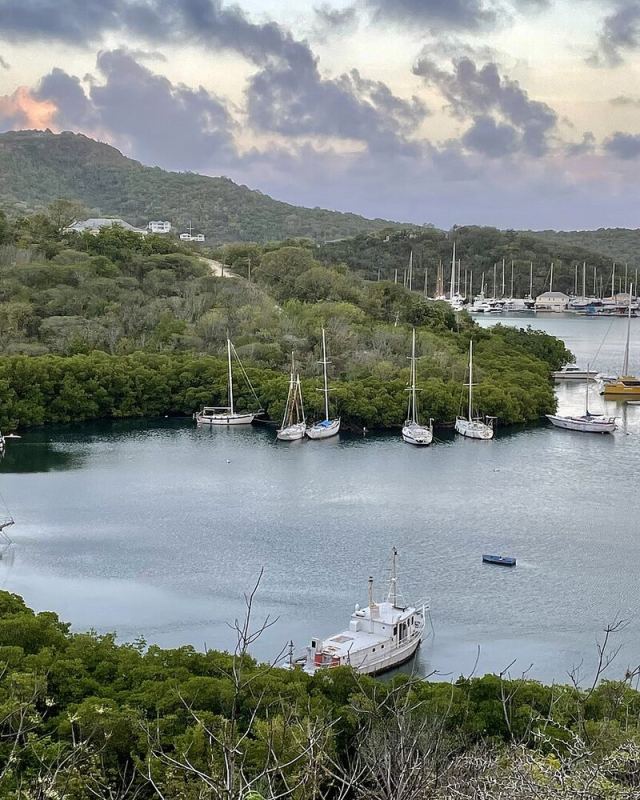
Antigua is known for its beaches, one for every day of the year by local reckoning, and for sailing around English Harbour. Curtain Bluff, which opened in 1962, occupies a south-coast headland with a calm swimming beach on one side and Atlantic swell on the other. Its all-inclusive rate stretches to a deep wine cellar, tennis on four championship courts and watersports, and a good share of guests have been returning for decades.
St Barths and Anguilla: neighbours with different temperaments
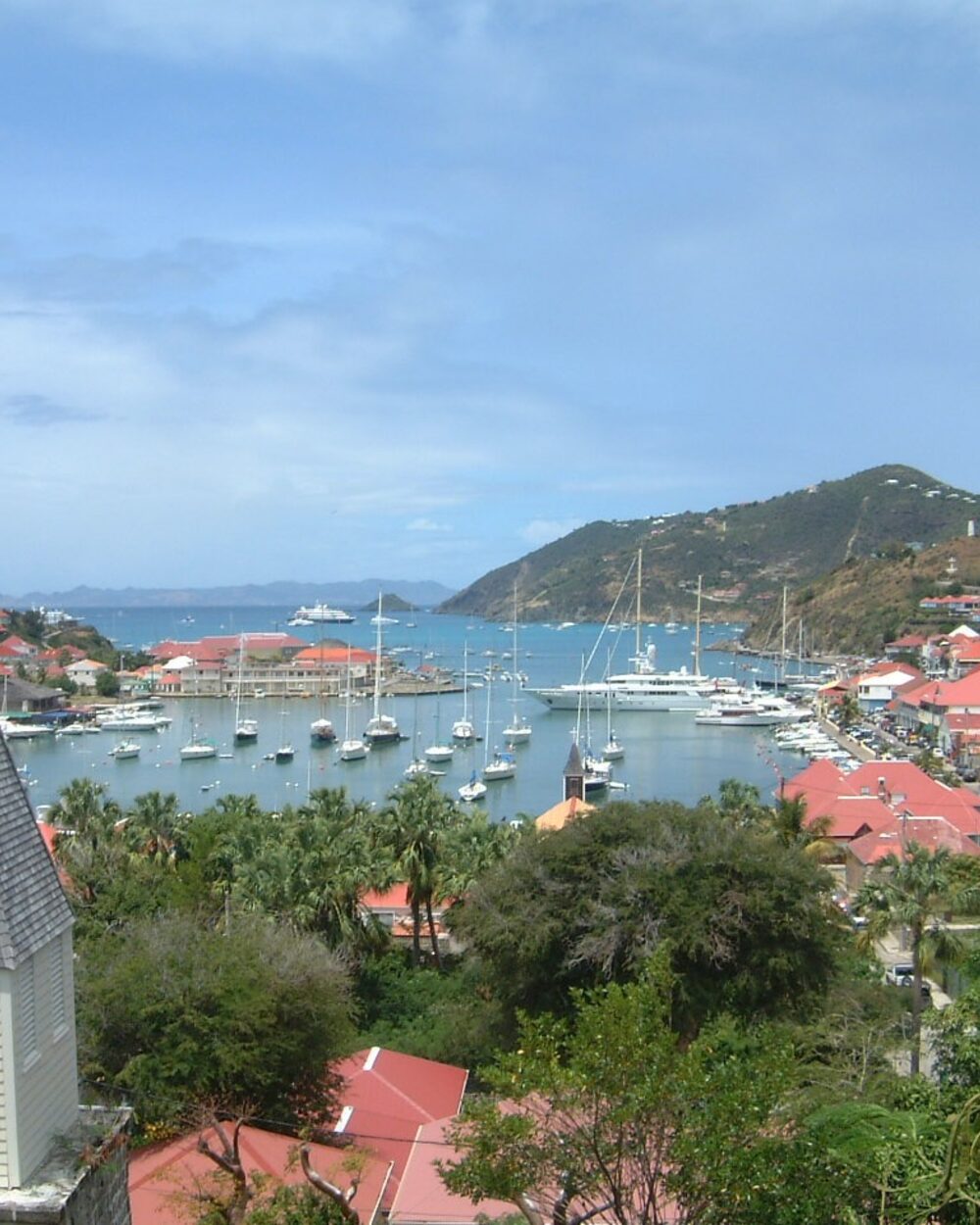
St Barths is French, polished and small, with the yacht-filled harbour of Gustavia, excellent restaurants and a short airstrip that means most visitors connect through St Martin. Eden Rock - St Barths is set on the granite rock that splits St Jean Bay in two, and its beach bar is where much of the island gathers at lunchtime. Choose it for the scene rather than for solitude.
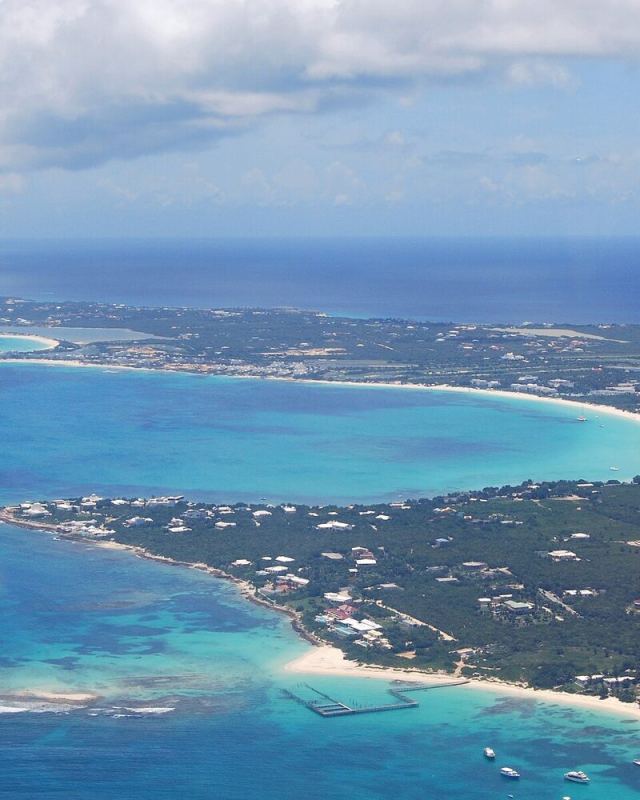
Anguilla, a short ferry ride from St Martin, is flat, low-key and devoted to its beaches and its restaurants. Cap Juluca, A Belmond Hotel strings whitewashed, domed villas along the sweep of Maundays Bay, and with 179 acres to spread across, the sand never feels crowded.
Photographs: Wikimedia Commons contributors — select to enlarge for full credits.
Turks and Caicos and the Bahamas: Atlantic clarity
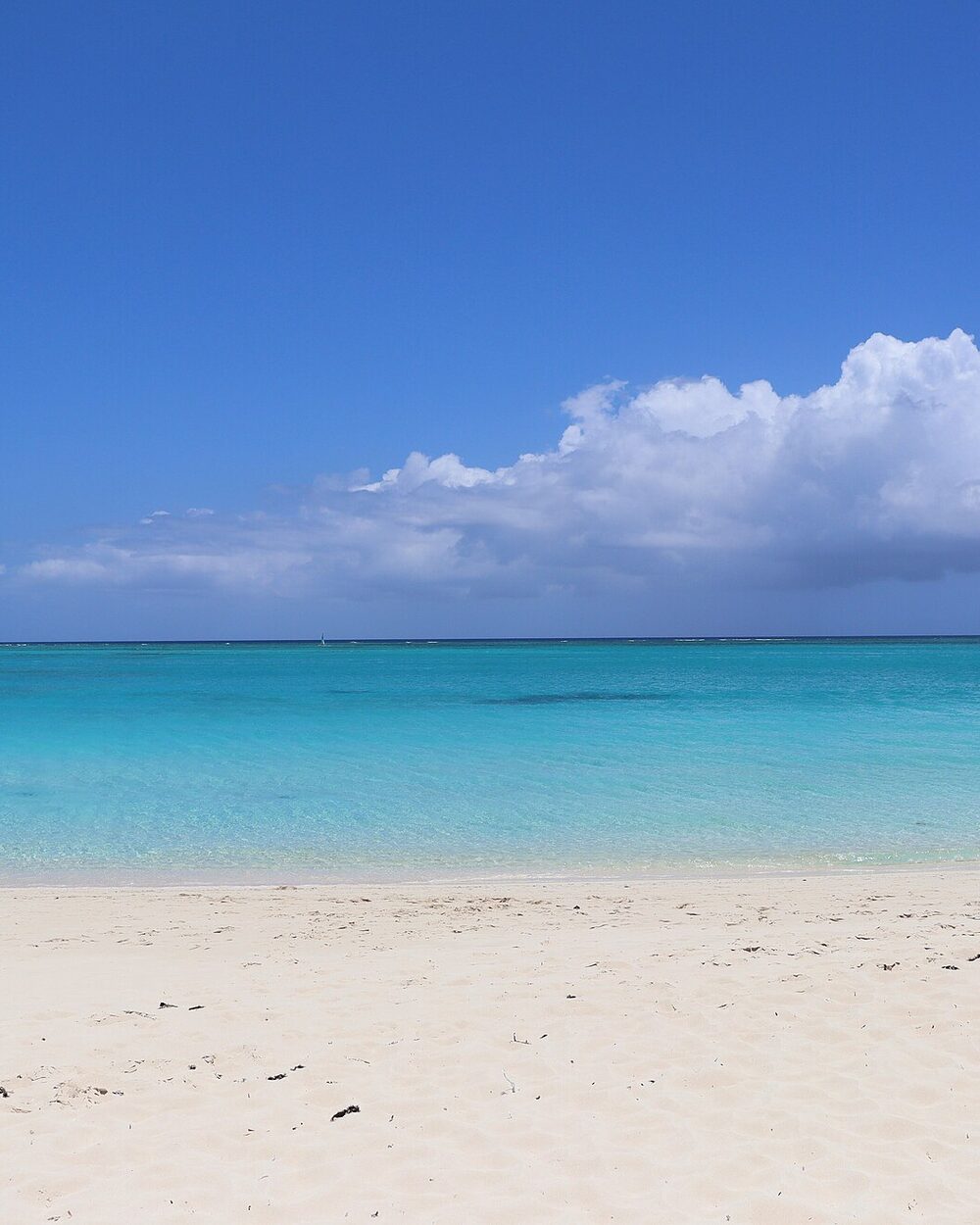
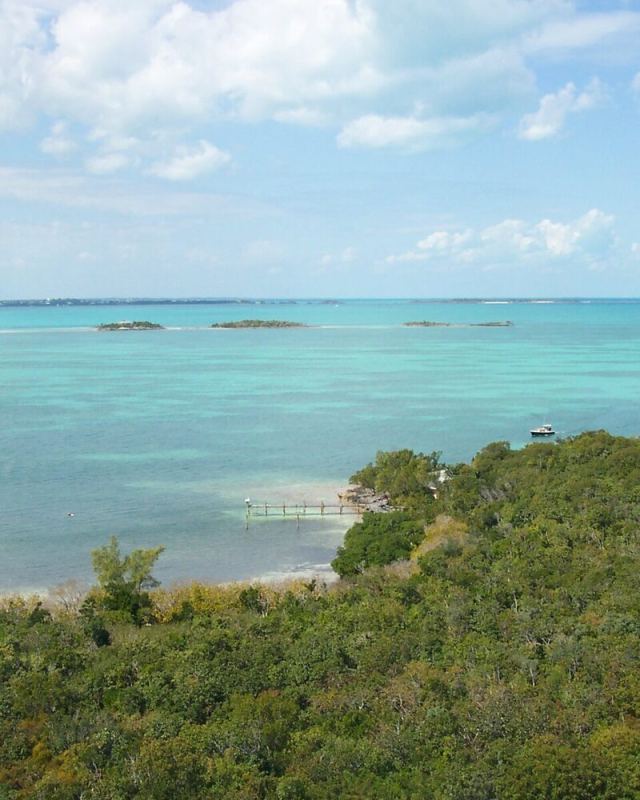
Strictly speaking, both lie in the Atlantic rather than the Caribbean Sea. They are low limestone islands ringed by shallow, extraordinarily clear water, which makes them outstanding for snorkelling, diving and bonefishing. In the Turks and Caicos, Grace Bay Club sits on the celebrated sand of Grace Bay and divides itself into an adults-only hotel, family villas and a more private estate, with every suite facing the ocean. COMO Parrot Cay has a thousand-acre island to itself between Providenciales and North Caicos, with a mile of unbroken beach and a wellness retreat that is the reason many guests come.
The Bahamas divide between Nassau's large resorts and the quieter Out Islands. Kamalame Cay is firmly the latter: a private island of ninety-six acres off Andros, with three miles of beach, an over-water spa and meals included in the rate. Andros's barrier reef, bonefishing flats and inland blue holes are close by.
Jamaica and Saint Lucia: mountains behind the beach
Jamaica is large, mountainous and culturally forceful, an island to explore for its music, food and hill country rather than simply to lie beside. GoldenEye, on the north coast at Oracabessa, is built around the house where Ian Fleming wrote the Bond books, and has been shaped by the Island Records founder Chris Blackwell into something informal and creative, with lagoon cottages on stilts, beach huts and a strong musical thread.
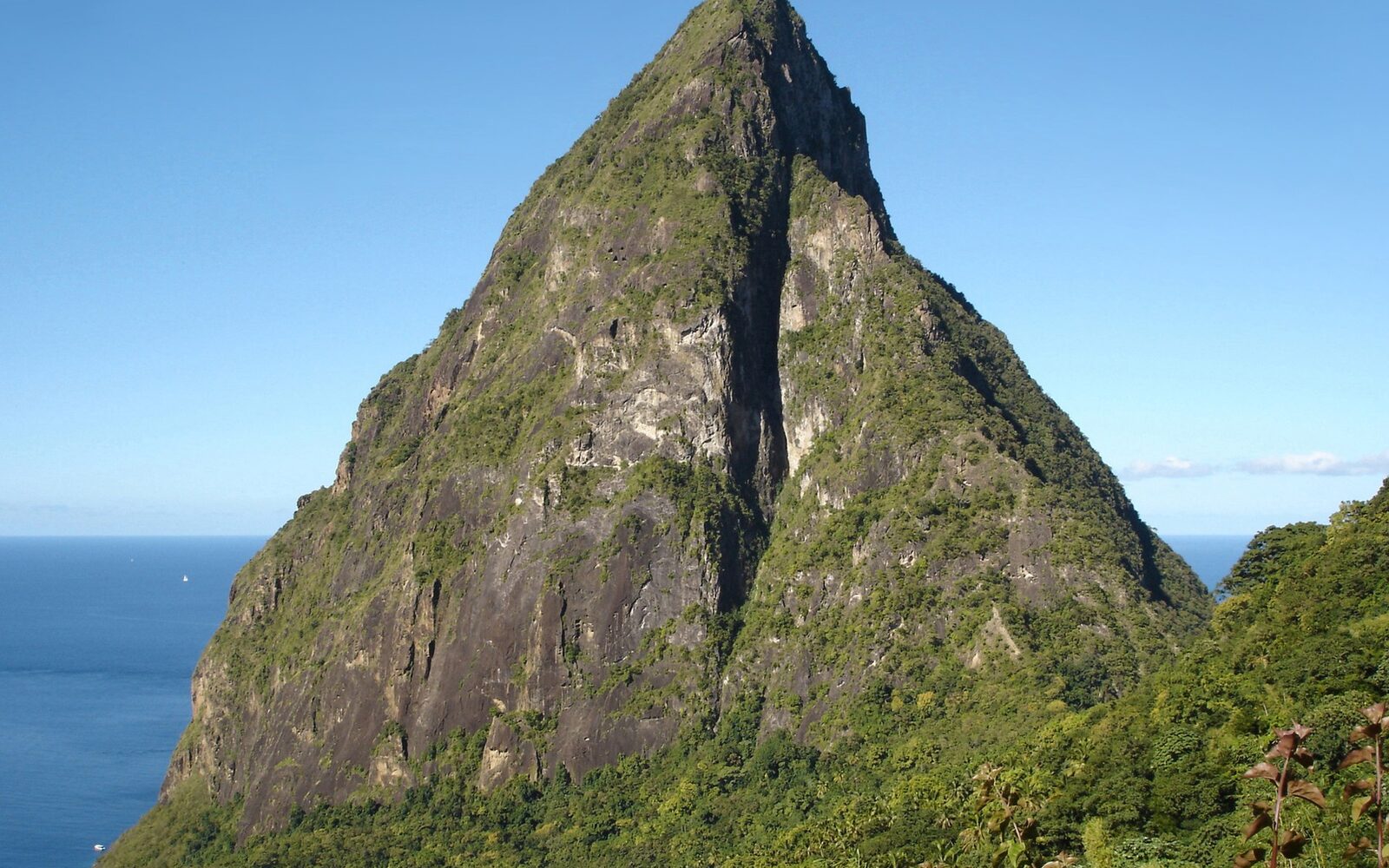
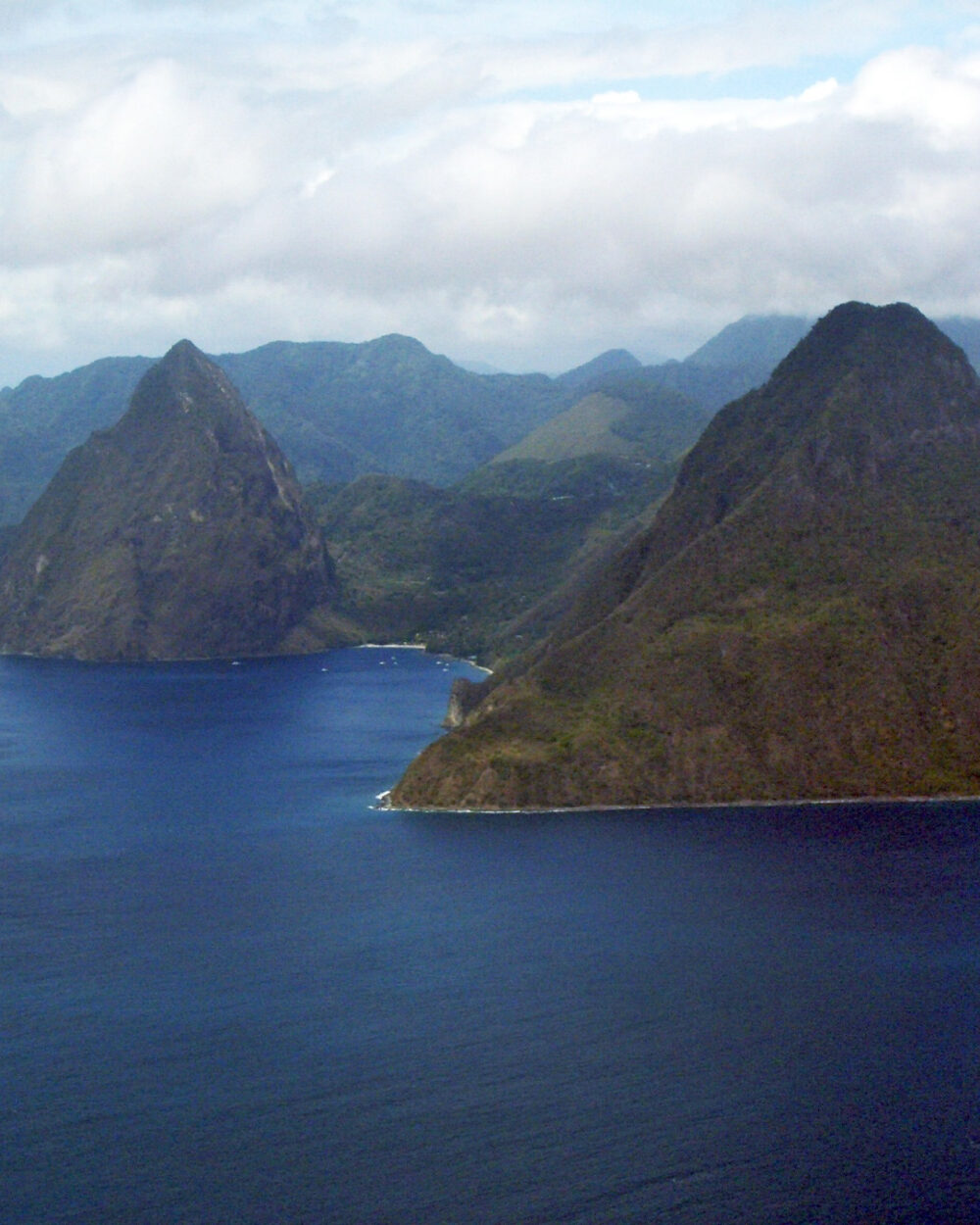
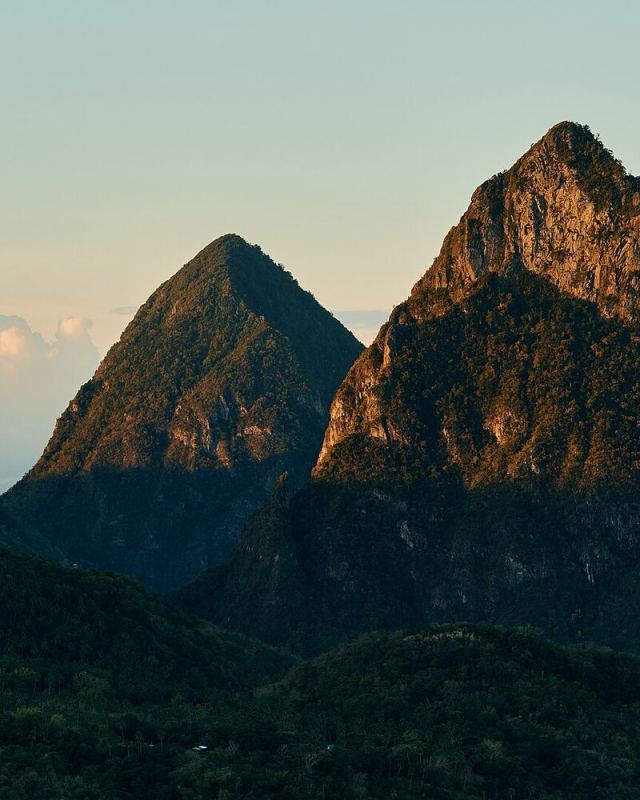
Saint Lucia is volcanic and green, its south-west coast dominated by the twin Pitons. Jade Mountain, above Anse Chastanet near Soufrière, takes the view to its logical conclusion: each sanctuary is left open on one side, framing the Pitons with no glass in the way, and the top categories have infinity pools of their own. For swimming and diving, guests use the beach and reef of Anse Chastanet, the sister resort below.
Hurricane season and the autumn closures
The Atlantic hurricane season runs from 1 June to 30 November, with the greatest activity usually between mid-August and mid-October. Demand falls sharply in those weeks, and many of the best resorts use them to close for maintenance and refurbishment. Curtain Bluff traditionally shuts from around late August to mid-October; Cap Juluca closes each year from around late August or September into October; Eden Rock typically closes from late August or early September to mid-October; and COMO Parrot Cay's 2026 closure runs from 31 August to 15 October. Dates shift from year to year, so confirm before booking anything between August and early November.
The peak season runs from mid-December to April, when the weather is driest and rates are highest, with Christmas and New Year at a considerable premium. May, June and the weeks either side of the autumn closures often bring the best value. Indicative rates in the directory range from around US$500 a night at Coral Reef Club to around US$1,700 at Eden Rock, and some properties, such as Curtain Bluff and Kamalame Cay, include meals, which changes the comparison considerably.