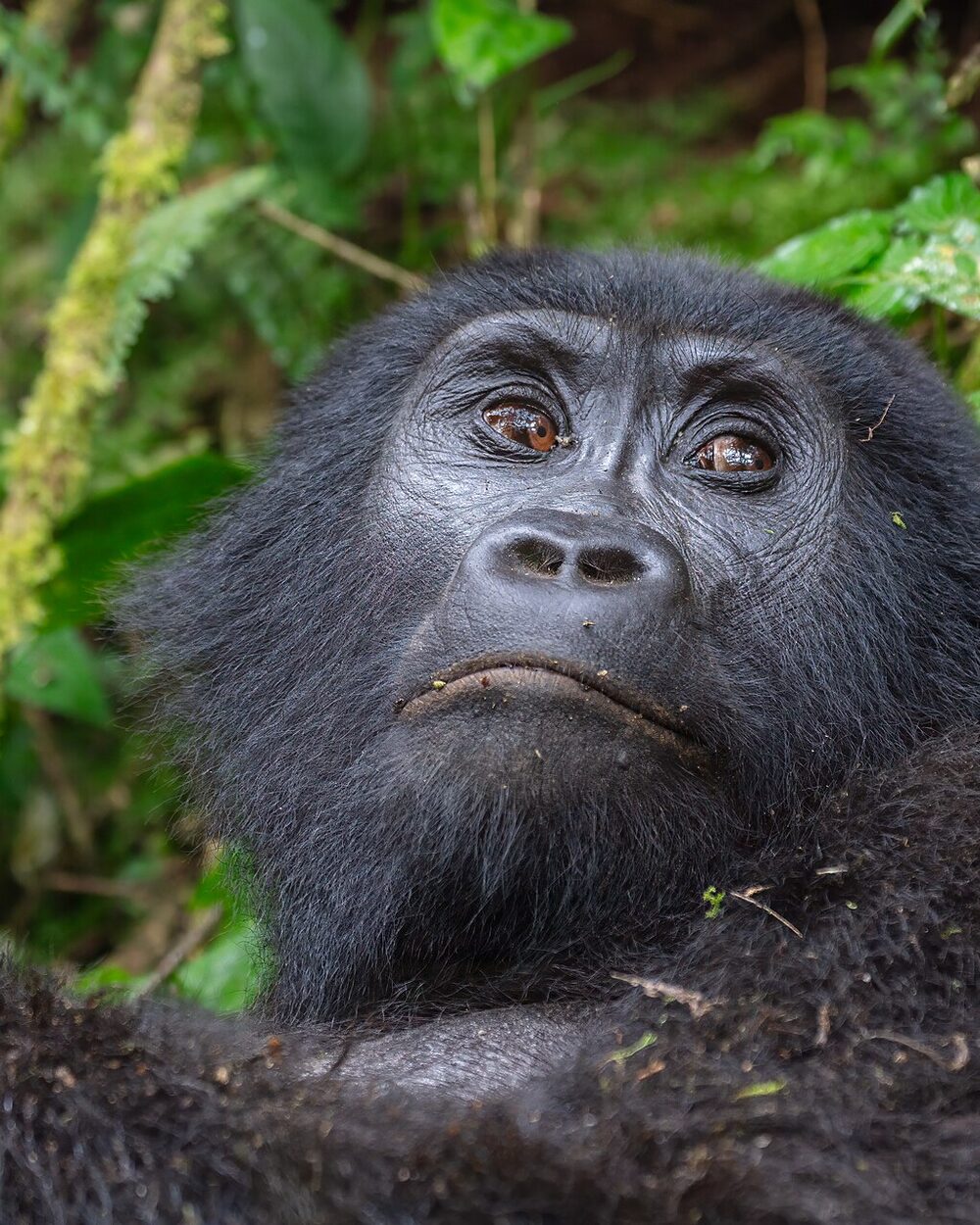
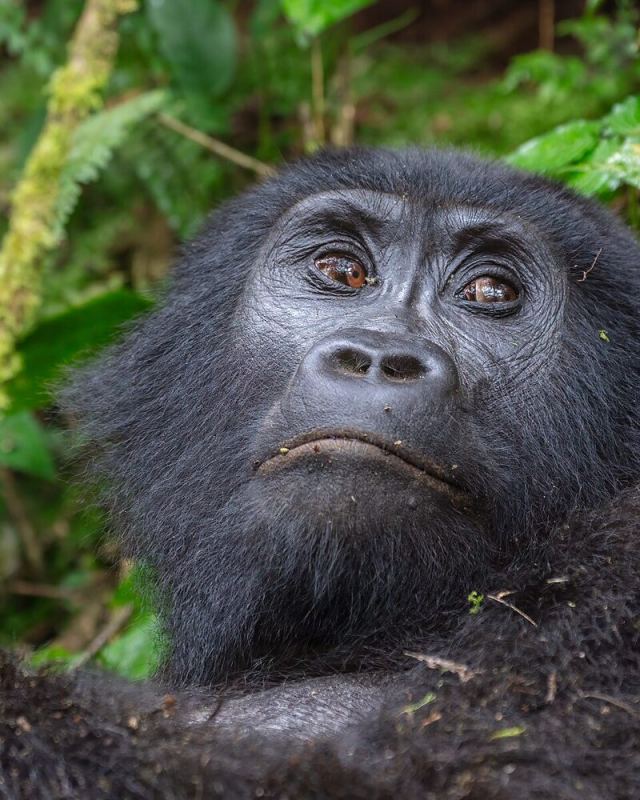
Few wildlife encounters carry the weight of an hour spent with a family of mountain gorillas. They survive in only two small areas, the chain of Virunga volcanoes shared by Rwanda, Uganda and the Democratic Republic of Congo, and Uganda's Bwindi Impenetrable Forest, and the two countries most visitors choose between approach the experience quite differently. Both also offer chimpanzees, which makes a primate trip one of the most rewarding ways to see East Africa beyond the savannah.
How gorilla trekking works
The broad shape is the same in both countries. Each trek requires a permit, issued per person by the national wildlife authority (the Rwanda Development Board or the Uganda Wildlife Authority) and usually paid for separately from the lodge rate. Numbers are tightly controlled: each habituated family receives only a small group of visitors a day, which is why permits for the busiest months should be secured well ahead.
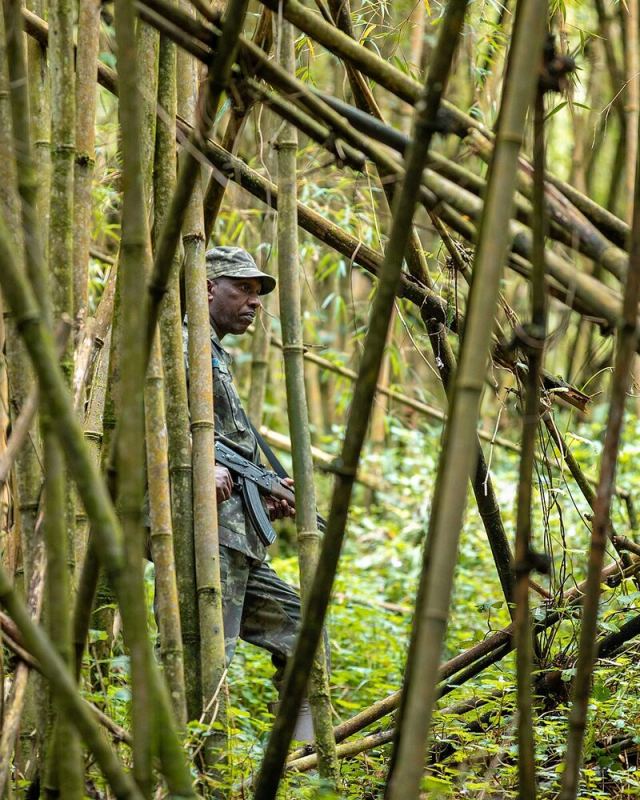
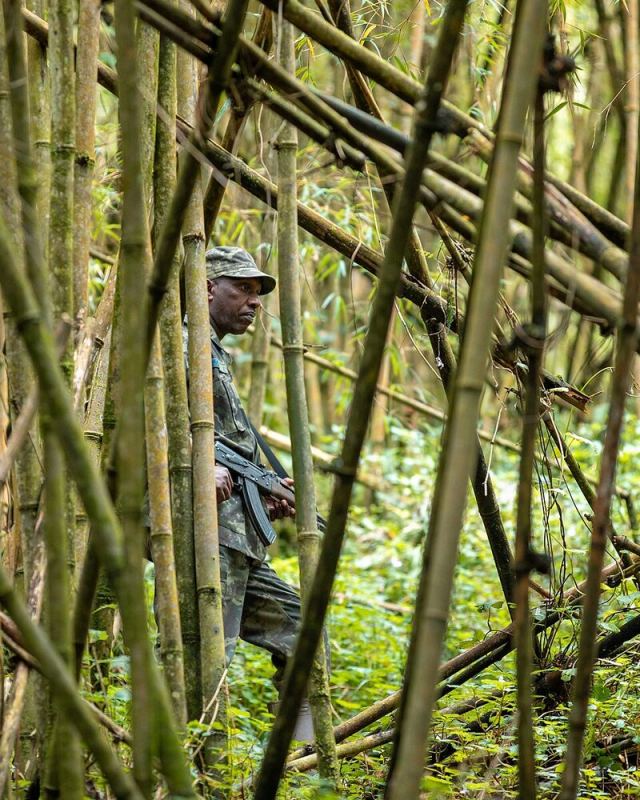
On the morning, trekkers gather at a park headquarters for a briefing and are assigned a family. Rangers and trackers lead the way on foot, and the walk can last anything from under an hour to much of the day, depending on where the gorillas have moved overnight. Terrain is steep, often muddy and thick with nettles; gloves, gaiters and waterproofs earn their place, and hiring a local porter is both sensible and a direct way of spending money in the surrounding community. Once the family is found, time with them is strictly limited, typically to around an hour.
There are further conditions: a minimum age, rules on distance, and the expectation that anyone unwell will not trek, since gorillas are vulnerable to human respiratory illness. Permit prices and rules change, sometimes at short notice, so confirm the current terms with your lodge or operator before booking flights.
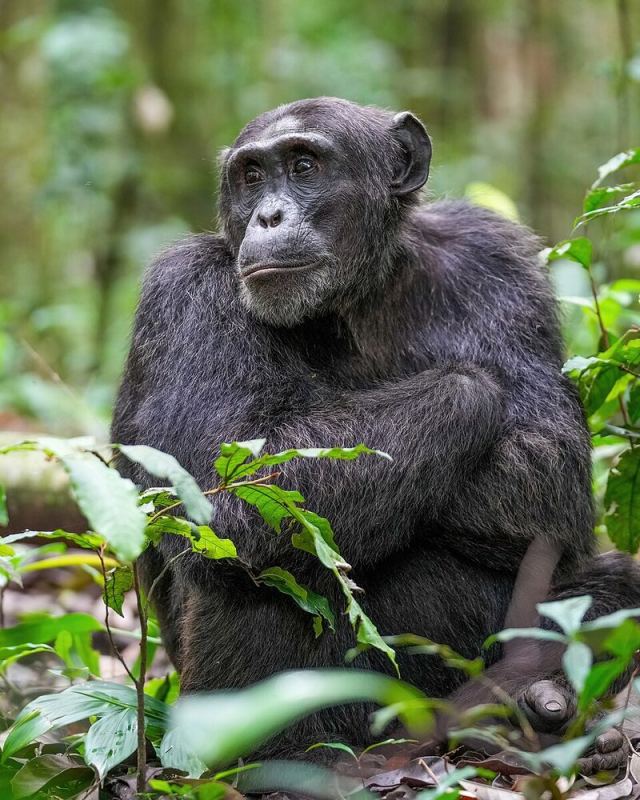
Chimpanzees: a different encounter
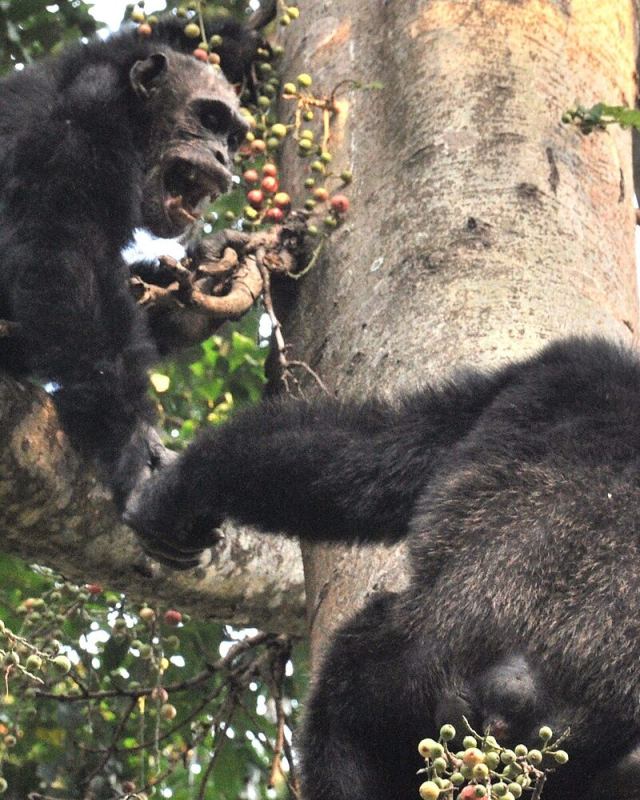
Chimp tracking is looser and livelier. Communities range widely, often high in the canopy, and trackers follow their calls through the forest; sightings are frequent but less choreographed than with gorillas, and early starts improve the odds. In some forests a longer habituation experience lets visitors spend much of a day with a community that is still being accustomed to people.
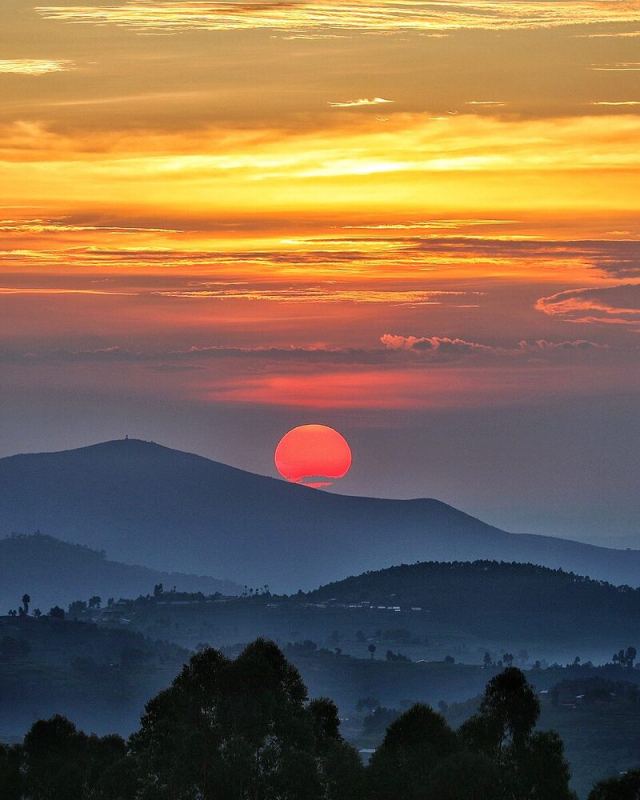
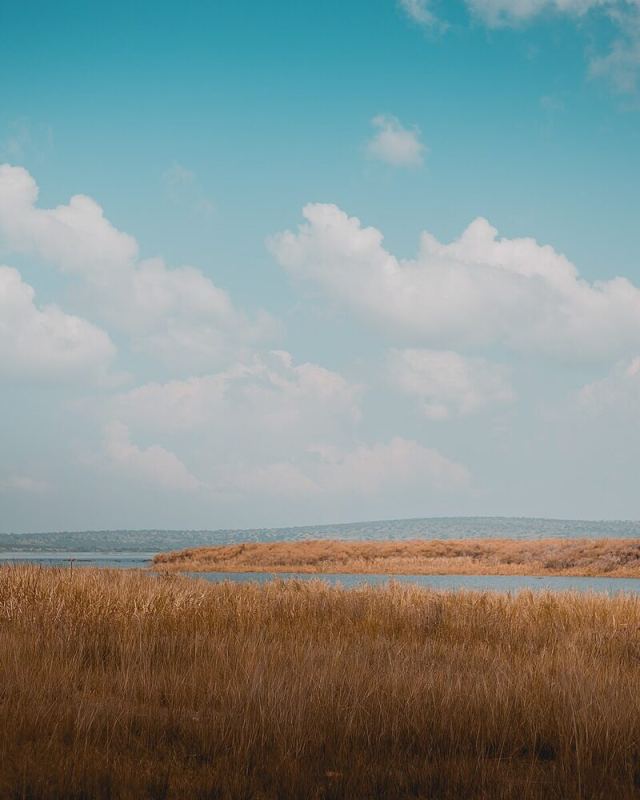
Photographs: Wikimedia Commons contributors — select to enlarge for full credits.
Rwanda: compact and polished
Rwanda's great advantage is distance, or the lack of it. Volcanoes National Park is a drive of a few hours from Kigali, and treks start from the Kinigi headquarters. Permits cost considerably more than Uganda's, and the lodges are correspondingly refined.
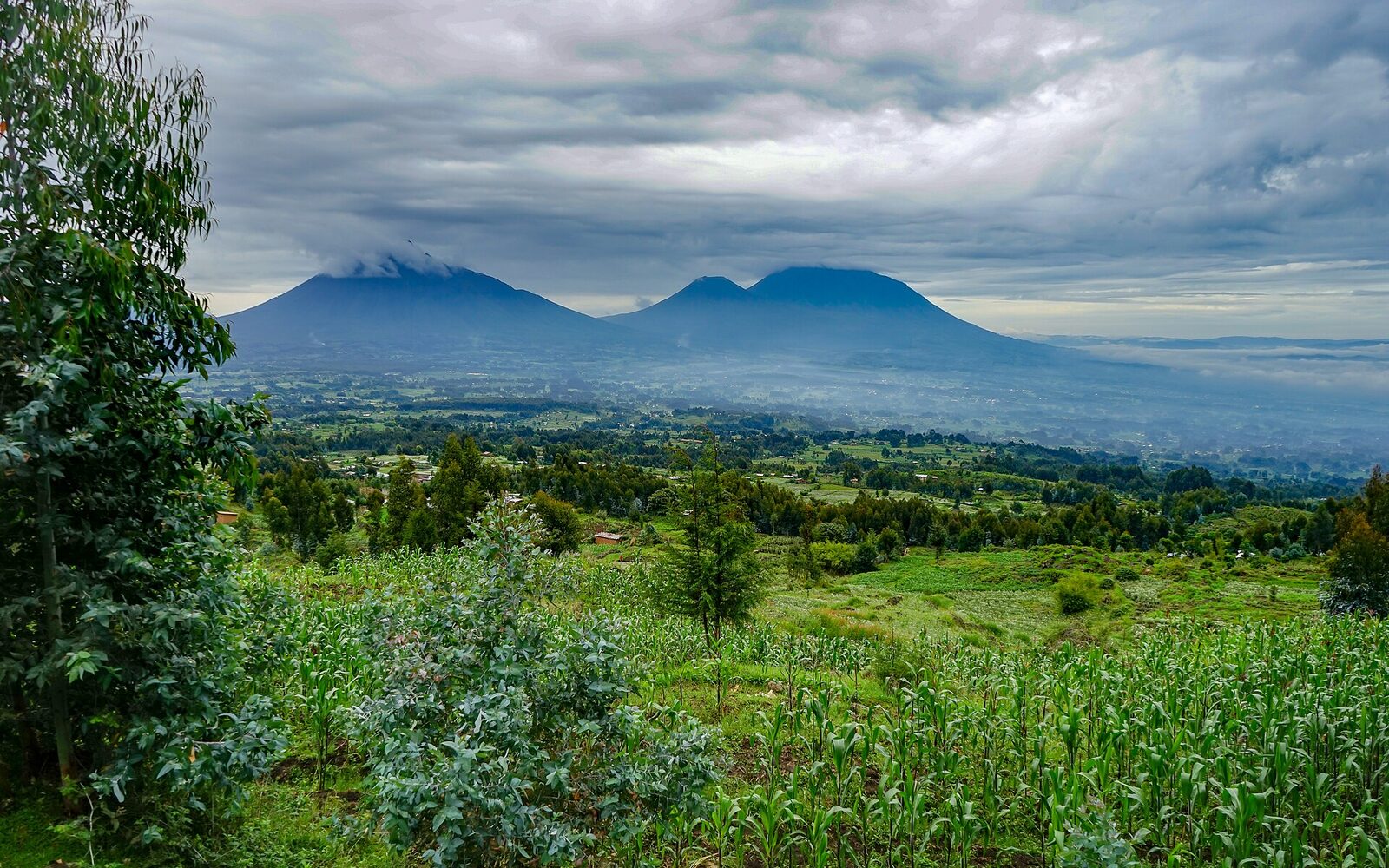
Singita Kwitonda Lodge is a few minutes from Kinigi, with eight suites of local volcanic stone and glass looking out to Sabyinyo, Gahinga and Muhabura. Its 178 acres of old farmland are being returned to indigenous forest, and adds golden monkey treks and visits to Dian Fossey's research site at Karisoke. Indicative rates start around USD 2,720 per person per night, sharing and fully inclusive, with permits extra. Wilderness Bisate Lodge has six thatched, spherical villas set in the eroded bowl of an old volcanic cone, looking straight at Bisoke and Karisimbi, and most guests add a sapling of their own to its reforestation project. The park headquarters is roughly half an hour away, and rates start around USD 2,569 per person sharing, fully inclusive.
Rwanda also rewards a longer stay. In the south-west, One&Only Nyungwe House sits on a working tea estate at the edge of Nyungwe Forest, one of Africa's largest surviving montane rainforests, which holds thirteen primate species including chimpanzees, a canopy walkway sixty metres above a ravine and large troops of colobus. Rates start around USD 1,200 per person sharing, fully inclusive. In the east, Wilderness Magashi Camp has six tents on Lake Rwanyakazinga in Akagera, restored as the country's only Big Five park, turning a primate trip into a fuller safari with lake cruises, night drives and the chance of shoebill.
Uganda: wilder, longer, better value
Bwindi holds roughly half the world's mountain gorillas across four trekking sectors, and its forest is steeper and denser than Rwanda's volcano slopes. Treks can be longer and harder, permits cost less, and the distances between parks are greater, so itineraries tend to run longer and often use domestic flights. Southern Bwindi can also be reached overland from Kigali, which lets some travellers fly into Rwanda and trek in Uganda; check the current border arrangements before planning around it.
Clouds Mountain Gorilla Lodge stands at around 2,300 metres on a ridge above the Nkuringo sector, the quietest in Bwindi and one of the more demanding. Its eight stone cottages have open fires that the altitude makes a necessity, and the lodge, developed in partnership with the local community, arranges porters, which are well worth taking. Rates start around USD 900 per person sharing, fully inclusive.
For chimps, Kibale Forest is Uganda's standout, and Kyaninga Lodge is about an hour away: nine timber cottages above a swimmable crater lake, with the Rwenzori on the horizon in clear weather, from around USD 500 per person sharing, fully inclusive. Further south, Kyambura Gorge Lodge looks down into a forested rift in Queen Elizabeth National Park, where a small, isolated chimp community is tracked on foot. Above the gorge are elephant, the hippo of the Kazinga Channel and, in the Ishasha sector, tree-climbing lions. A classic circuit links Kibale, Queen Elizabeth and Bwindi.
When to go, and how to choose
Rain can fall in any month in these forests, but the drier spells, roughly June to September and December to February, make for firmer trails. The long rains, from about March to May, bring the heaviest mud and, at some lodges, lower rates.
Choose Rwanda for a short, seamless trip with the most refined lodges. Choose Uganda for a longer journey combining gorillas, chimps and savannah at a lower permit cost. Many travellers do both. And for chimpanzees in a setting quite unlike either, Greystoke Mahale, on the shore of Lake Tanganyika in western Tanzania, is reached by light aircraft and dhow, and closes roughly from mid-March to early June.