North America's grandest hotels are mostly in its cities. Its most rewarding places to stay are not. They sit at the ends of gravel roads and floatplane routes, in cattle valleys, canyon country and on the rock of the North Atlantic, and they tend to share three traits: the landscape is the whole point, a guide is part of the stay, and the season is shorter than you might expect. Plan around those three things and a trip here comes together far more easily.
The ranch: the West's all-inclusive
The guest ranch is North America's answer to the safari lodge, with meals, drinks and activities folded into one rate and days built around horses, rivers and open country. The Ranch at Rock Creek owns the land on both banks for four miles of its namesake creek in a Montana valley, with around thirty places to stay across six thousand acres. Summer brings fly fishing on private water and riding; in winter the same ground turns to Nordic skiing, snowmobiles and a rope-tow ski hill, and a restored 1880s barn holds a saloon and bowling lanes. Missoula, the nearest commercial airport, is about ninety minutes away.
The Lodge & Spa at Brush Creek Ranch spreads across over thirty thousand acres of Wyoming sagebrush between two mountain ranges, and is as much a working ranch as a resort, with its own creamery, greenhouse, Wagyu herd and distillery. The main lodge is open all year, while its adults-only outpost, Magee Homestead, runs from May to mid-October.
Desert and the Pacific edge
Amangiri folds its pale concrete wings around a rock escarpment on nine hundred acres of southern Utah, with a pool that wraps a sandstone outcrop and a spa that draws on Navajo healing traditions. Guides lead slot-canyon hikes and via ferrata climbs. It is the most expensive stay in this guide, from around US$3,900 a night including meals for two, and it is best in spring and autumn; high summer regularly passes 38C.
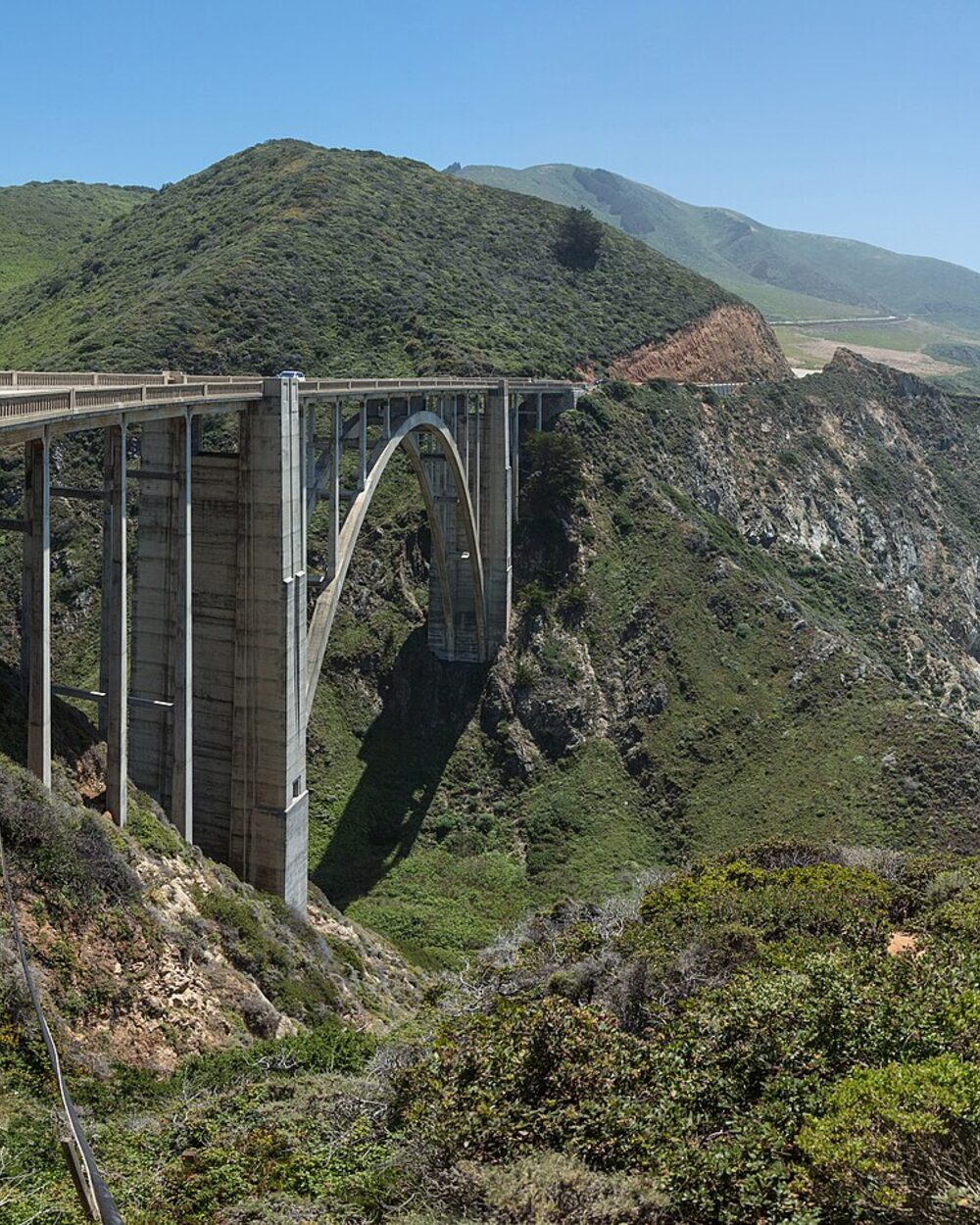
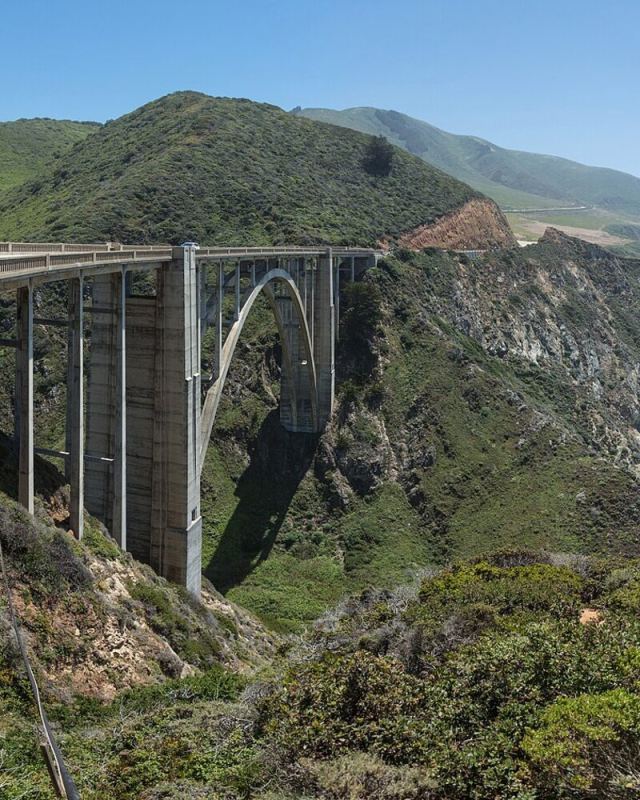
On the California coast, Post Ranch Inn sits on a ridge dropping almost sheer to the Pacific at Big Sur, its tree houses and grass-roofed ocean houses built so that nothing rises above the trees. It is adults-only, has no televisions, and its rate includes breakfast and a programme of guided hikes and stargazing. Winter storms can close sections of Highway 1, so check the road before driving down.
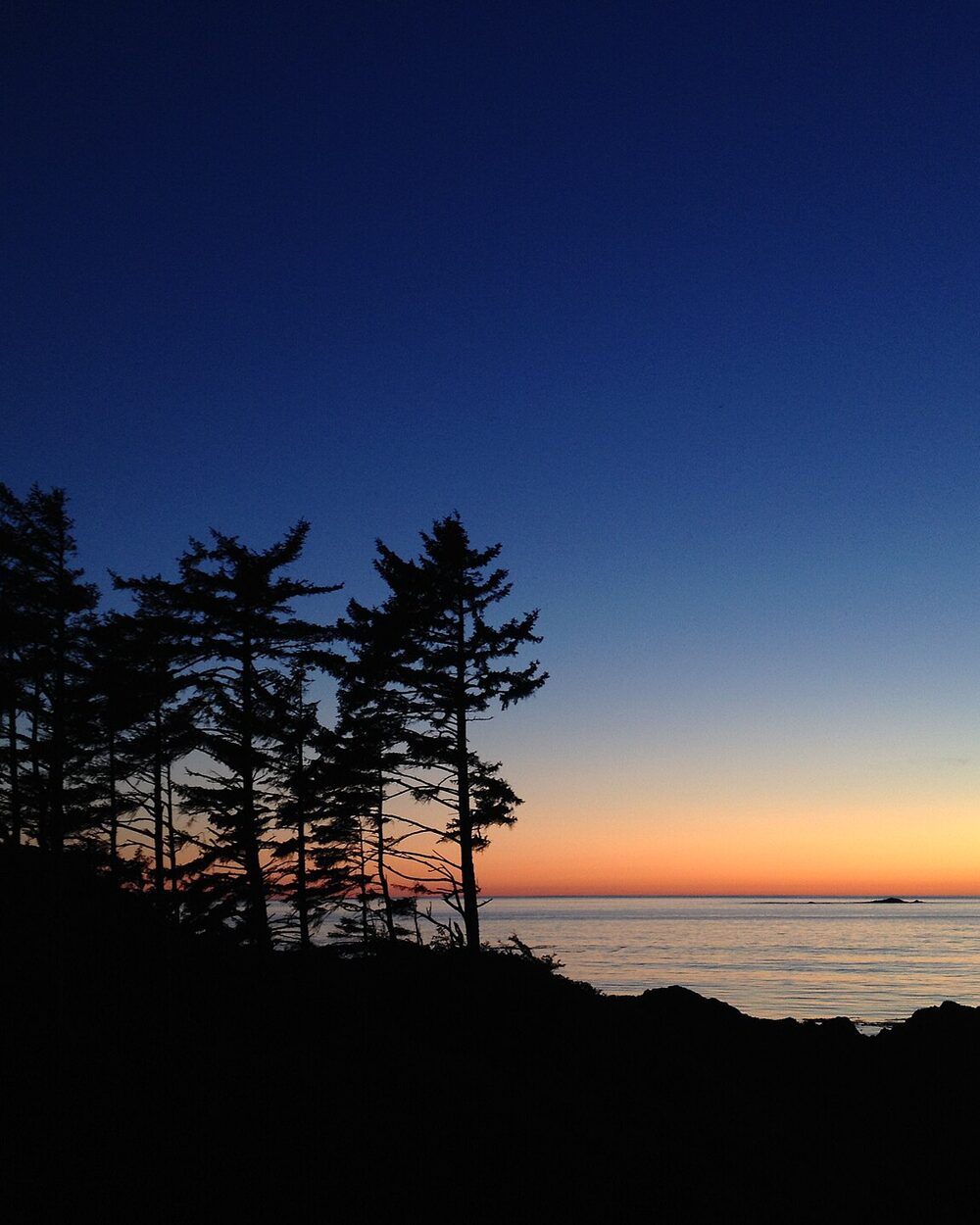
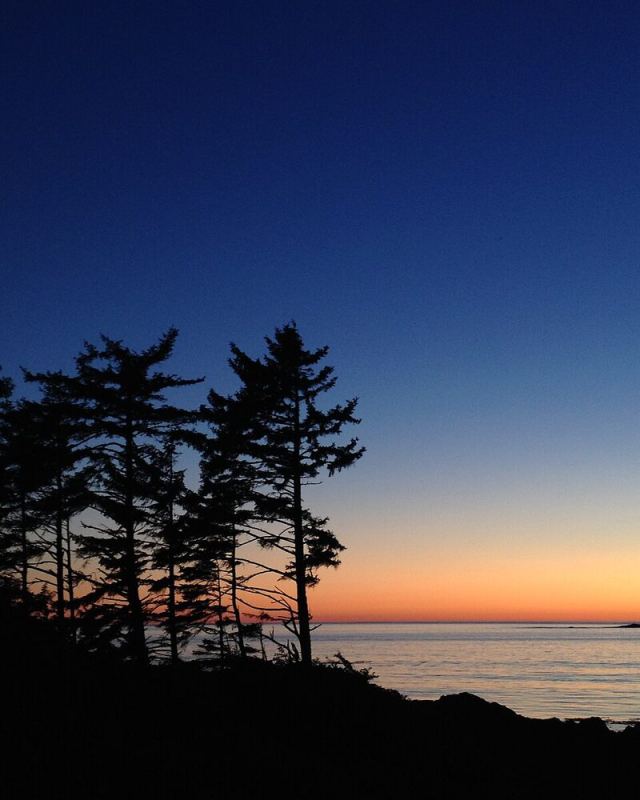
Further north, Clayoquot Wilderness Lodge is a camp of canvas tents on cedar platforms at the head of a Vancouver Island estuary, reached by floatplane or boat from Tofino. Guides go out for black bears foraging along the shore at low tide, for whales, both grey and humpback, out at sea, and for the late-summer salmon run. Stays are sold as packages of three to ten nights covering meals, drinks and guiding, and the season runs only from late May to late September.