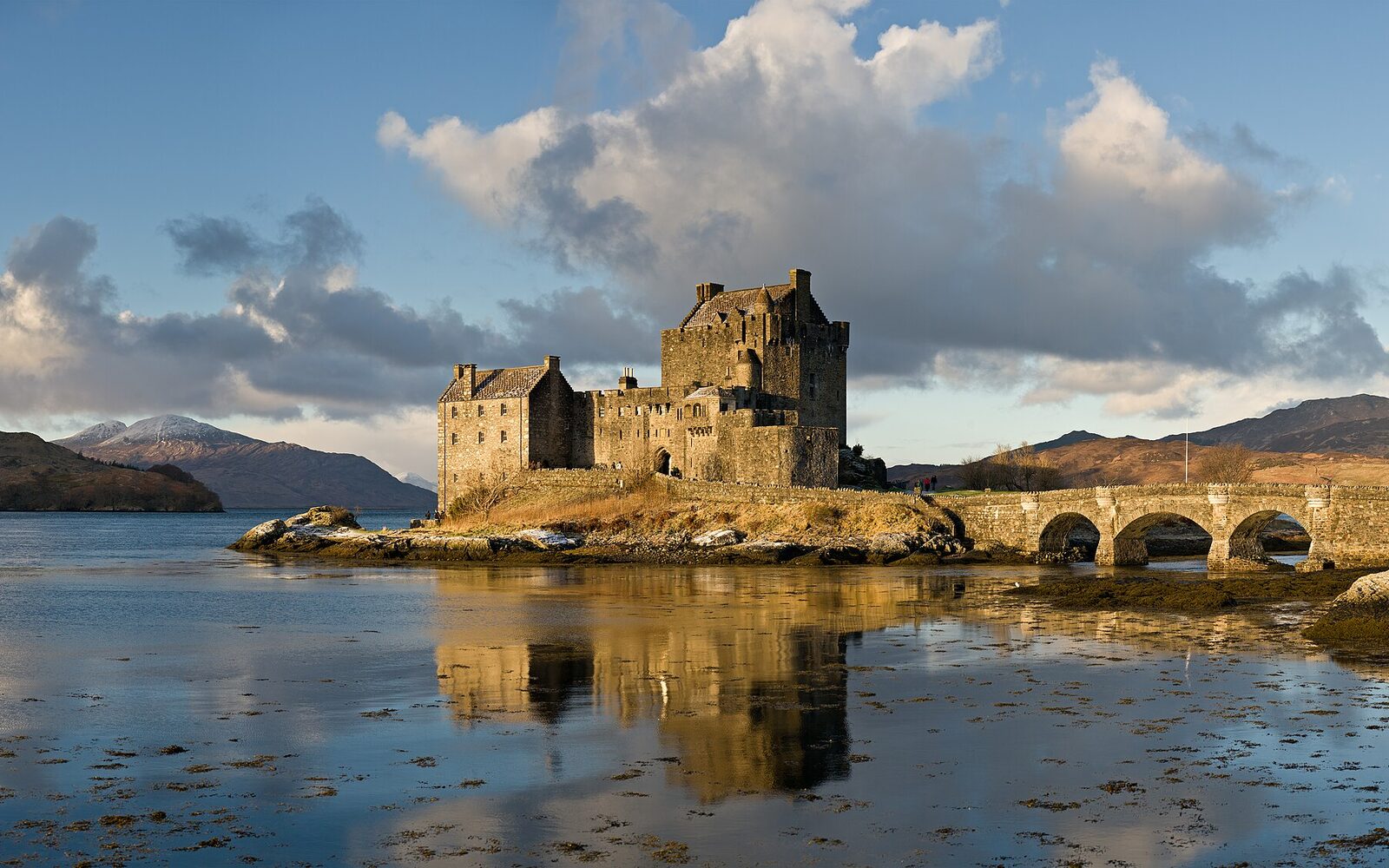
Few phrases in travel do as much work as "private island". It can mean a whole island given over to a handful of villas; a resort that shares its island, or its lagoon, with neighbours; or a Scottish estate you reach across a bridge. None of these is misleading, exactly, but they are very different holidays. The useful questions are who else is there, how you arrive, and what you will do once the novelty of being surrounded by water wears off.
Britain: a bridge, a boat or a tide
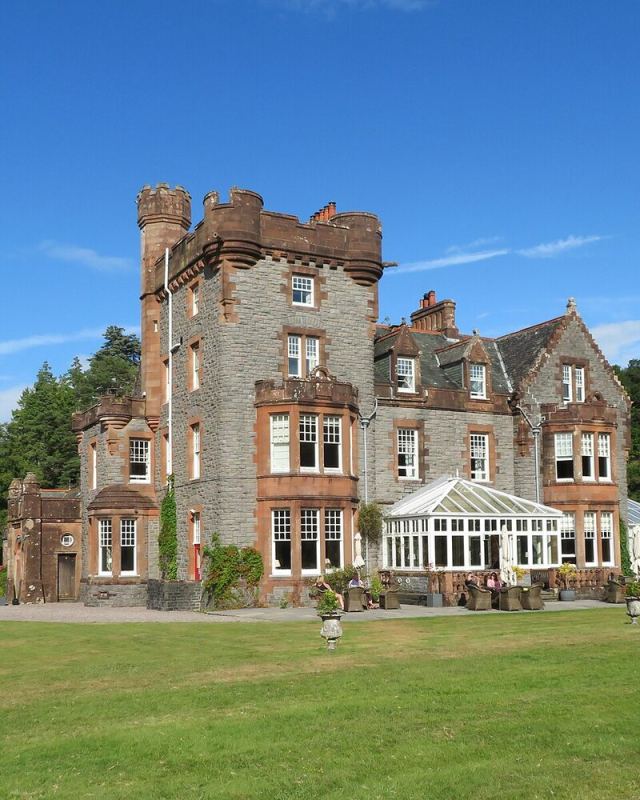
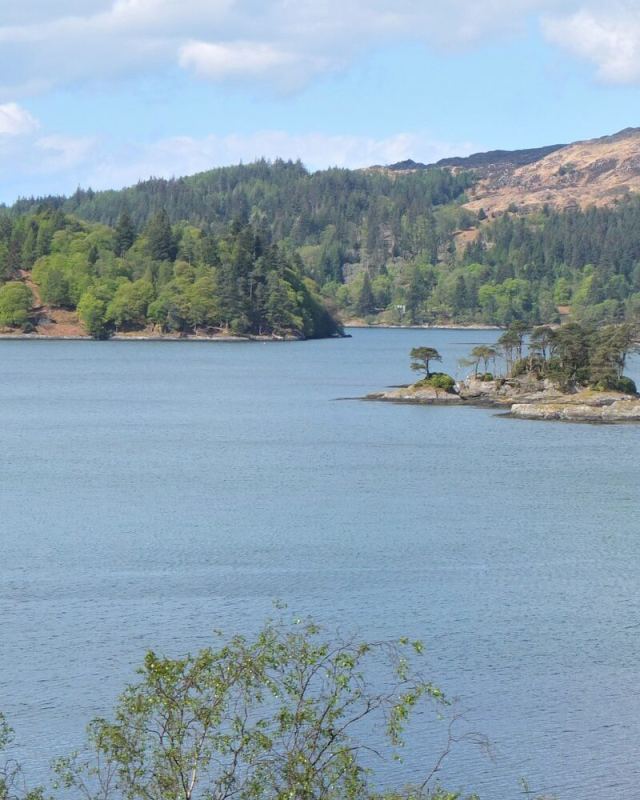
Britain's examples are among the most characterful, and they stretch the definition. Isle of Eriska Hotel, Spa & Island is a 300-acre island of woodland, shore and salt marsh between Loch Linnhe and Loch Creran in Argyll, joined to the mainland by a single Victorian iron bridge. Purists might say that barely counts, but the effect of crossing is real: the traffic stops, deer graze the lawns at dusk and you can walk the whole shoreline without meeting anyone. The 1884 baronial house holds a small number of rooms and suites, and the cottages, with private gardens and hot tubs, are the ones to ask for. Rates start from around £395 a night.
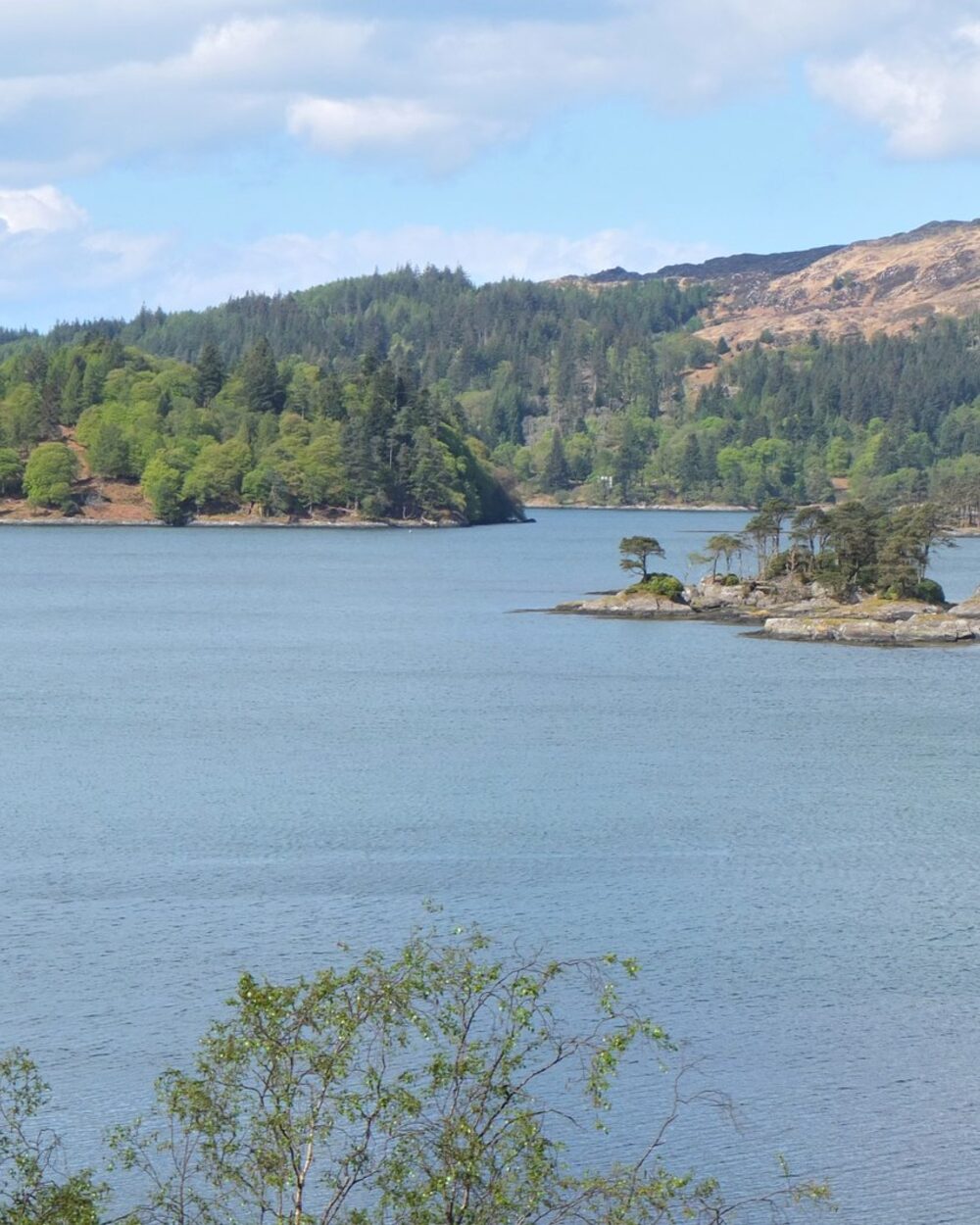
Eilean Shona, in the mouth of Loch Moidart, is reached only by boat and has no roads at all. It works quite differently: eight self-catering cottages and a nine-bedroom house, let by the week in high season, with the option of taking the whole island for a party of eighteen. J.M. Barrie rented it in the 1920s. This is the model for people who would rather cook, walk, kayak and watch for otters and eagles than be looked after.
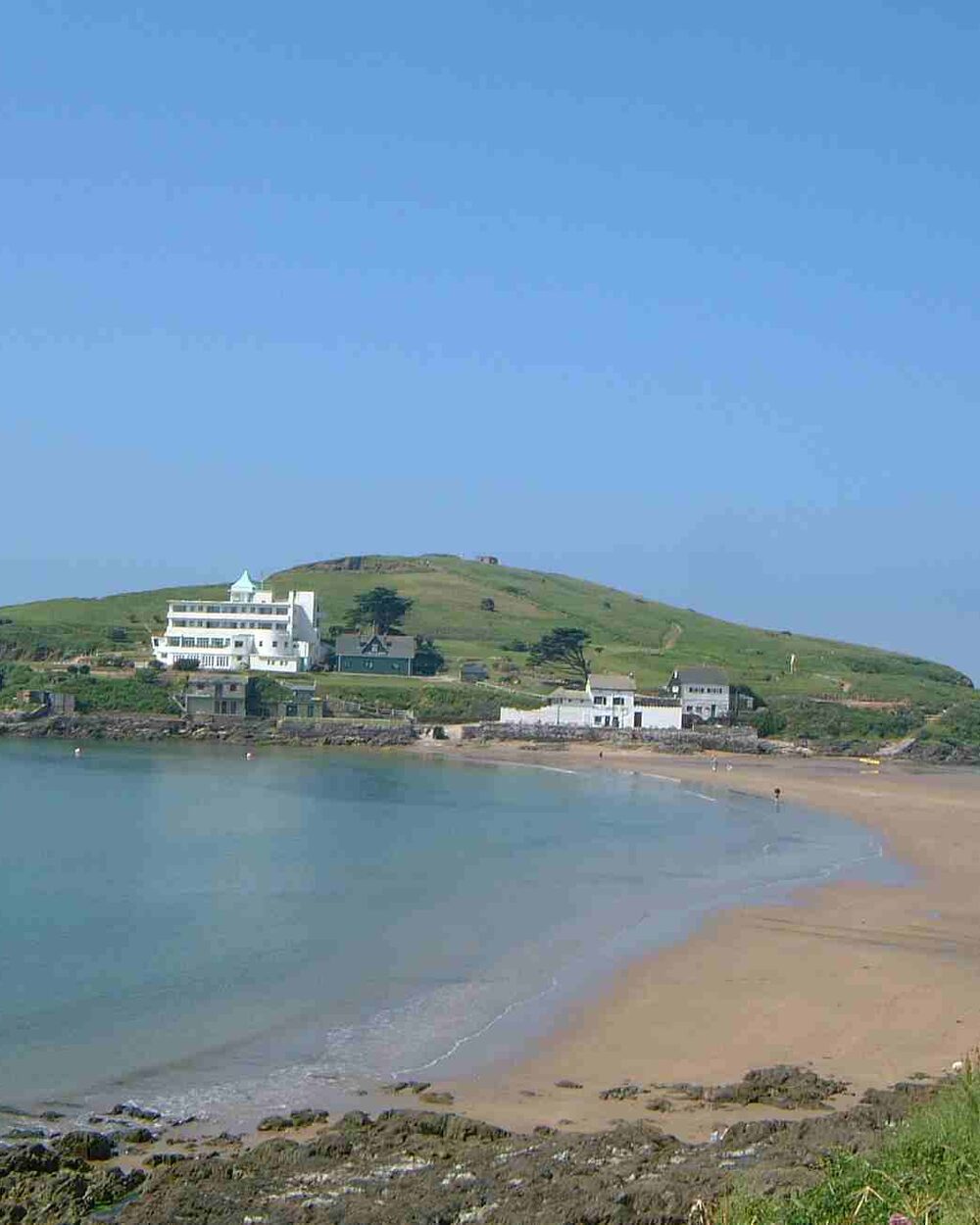
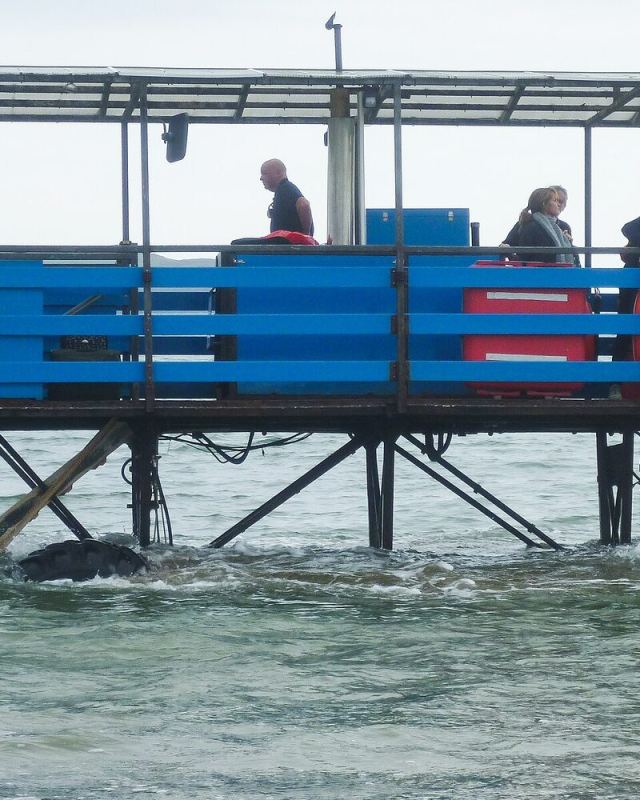
Burgh Island Hotel, off the South Devon coast, is the version shared with the public. At low tide you walk across the sand; at high tide a sea tractor carries you over. Day visitors come for the walk and the old Pilchard Inn by the landing beach, but the 1929 Art Deco hotel keeps its own world intact, down to dressing for dinner.
Two caveats apply in Britain. Scotland's access laws give responsible walkers rights over most land, islands included, so "private" there describes ownership more than a locked gate. And on the west coast, midges are part of high summer; late spring and early autumn are often kinder.
The whole-island hideaway
At the other extreme are islands with one small operation and nothing else. North Island, a Luxury Collection Resort, Seychelles has eleven villas, each well over 400 square metres with its own pool and stretch of beach, on a 201-hectare island rehabilitated from a failing coconut plantation, with native forest replanted and endemic birds reintroduced. Arrival is by a fifteen-minute helicopter flight from Mahé, rates are all-inclusive, and they start from around US$6,500 a night.
Off Zanzibar, andBeyond Mnemba Island applies the same idea in a more barefoot register: twelve palm-and-timber bandas, a maximum of twenty-four guests, and the reef of a protected marine conservation area straight off the beach. Rates are all-inclusive and per person, from around US$2,150, and the lodge closes each year from around 8 April to 20 May for the long rains.
In Belize, Cayo Espanto caps numbers at eighteen guests in seven villas, each with its own dock, plunge pool and houseman. There is no restaurant in the usual sense; meals are served wherever you like, and the whole island can be taken for groups.
When the guest count is in the tens, the island itself becomes the amenity and the service is personal because there is no crowd to dilute it. The trade-off is that there is little to do beyond the water and the landscape, which, for most people who book these places, is the point.