"Spa" has become one of the most elastic words in travel. It can mean a treatment room at the end of a corridor or a residential programme that starts with a doctor's consultation. The retreats below are places where the wellness offer is the reason to make the journey, but they work so differently that choosing the right type matters more than choosing the right name.
Thermal water: when bathing is the point
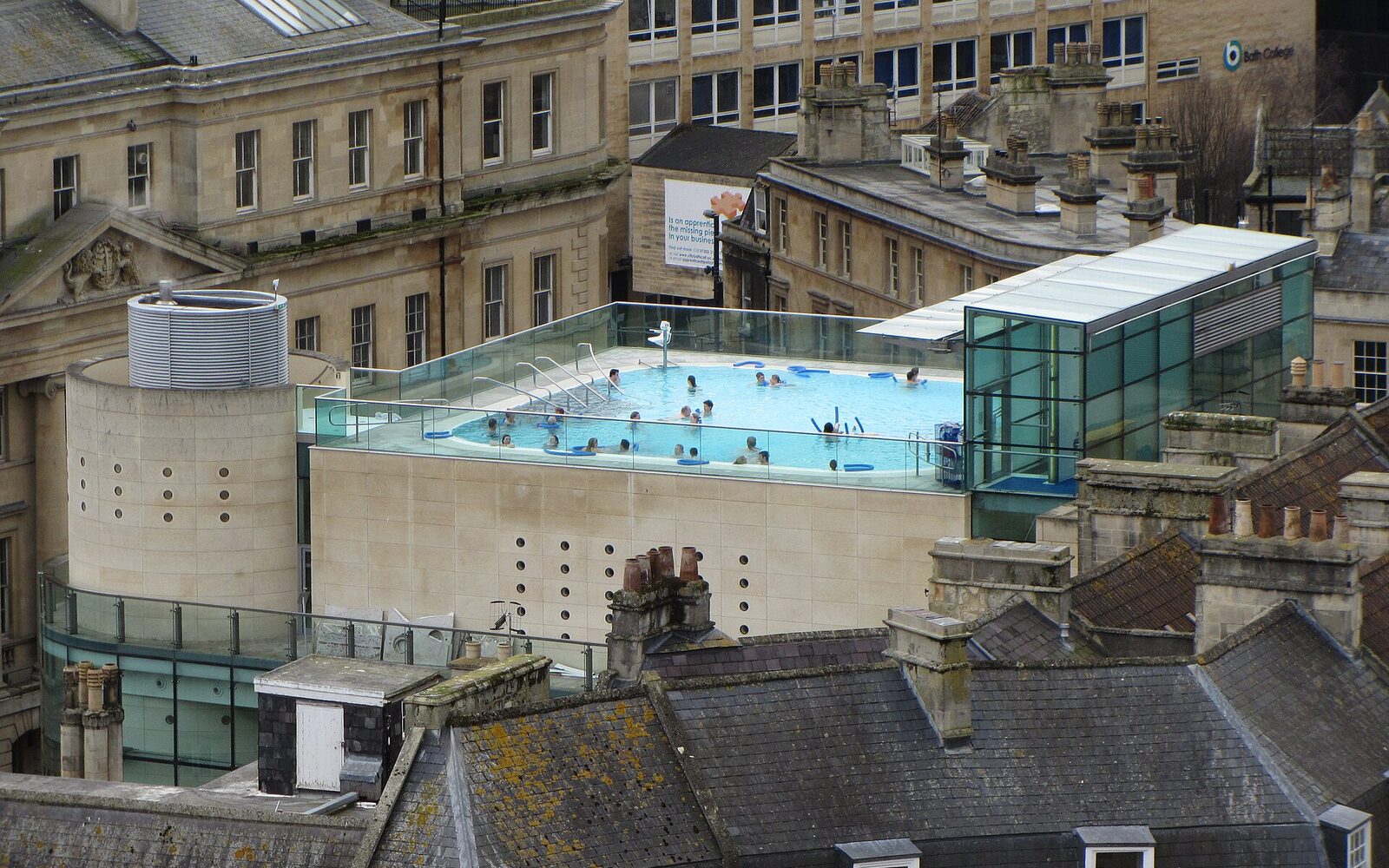
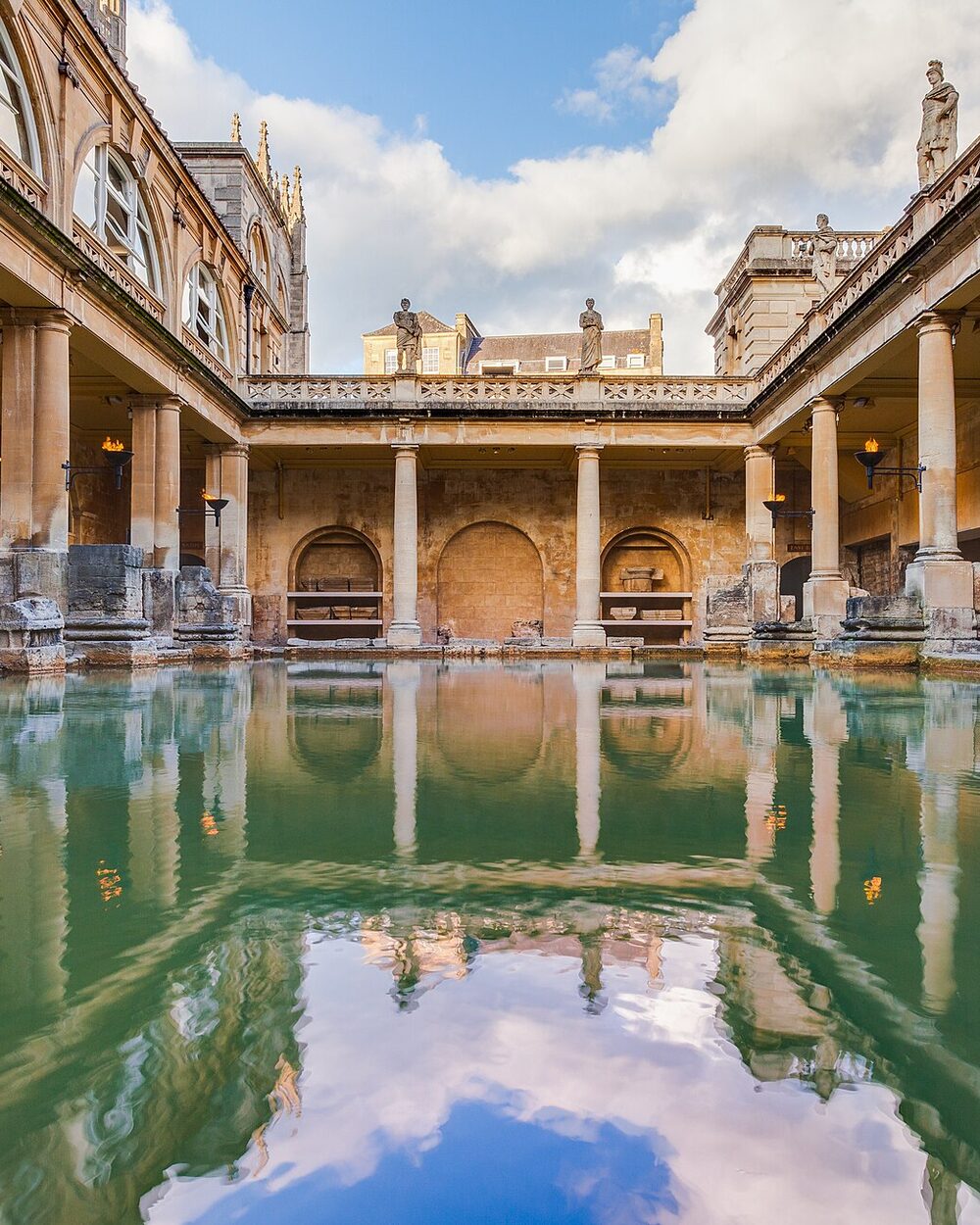
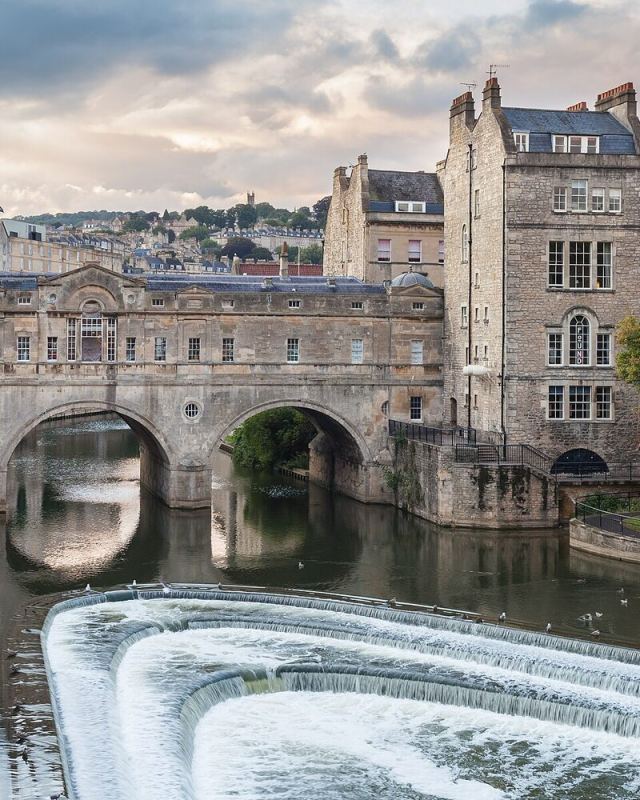
Some places are built on the water itself. The Gainsborough Bath Spa holds the only private licence to bring Bath's natural thermal water into a hotel, and uses it to fill a sequence of pools set at varying temperatures beneath a skylit atrium, with steam, infrared heat and an ice alcove to move between. Guests are allocated bathing times, and a few suites have spring water piped to the bath. From around £290 a night, it suits a two-night city break with the Abbey and the Roman Baths a short walk away.
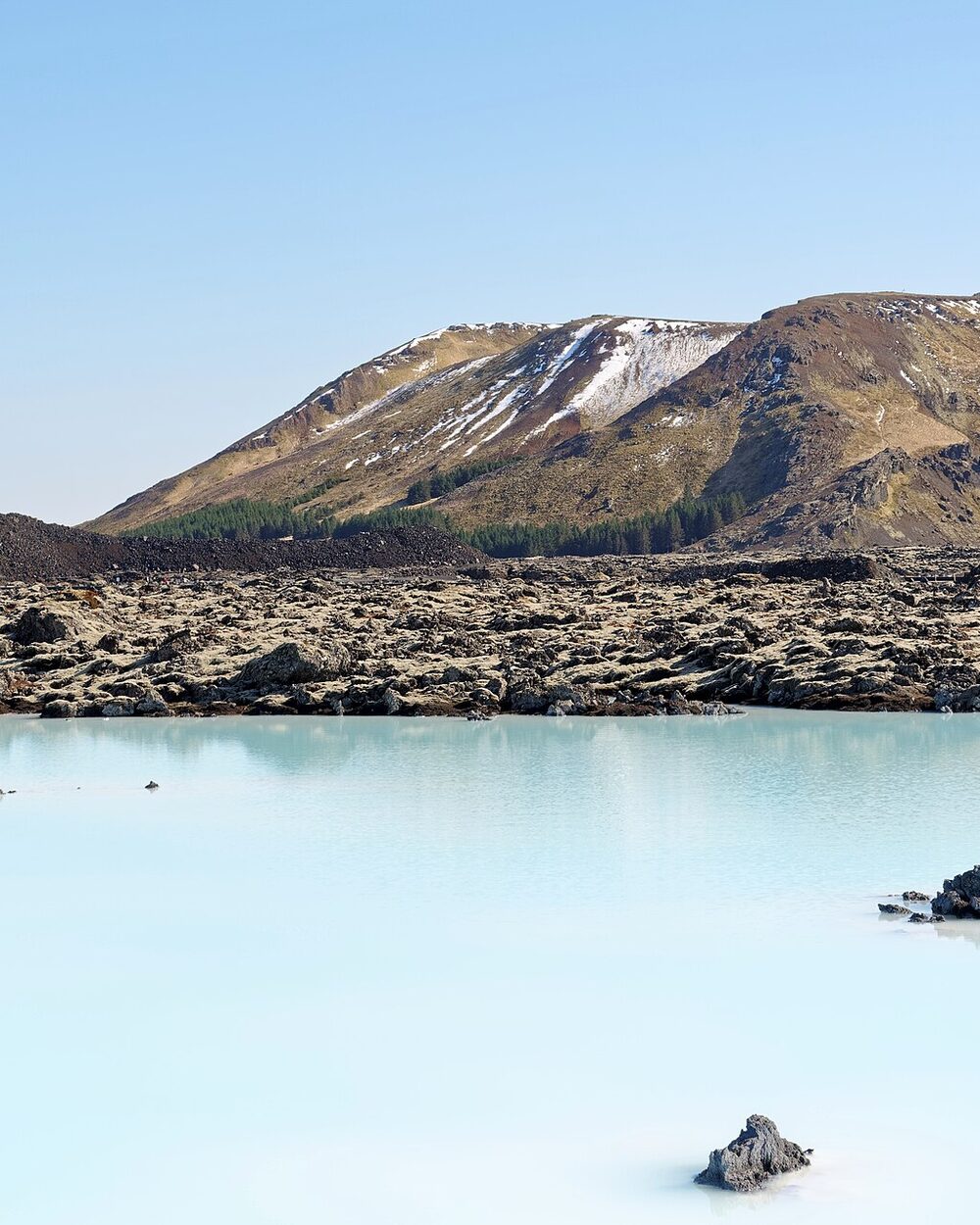
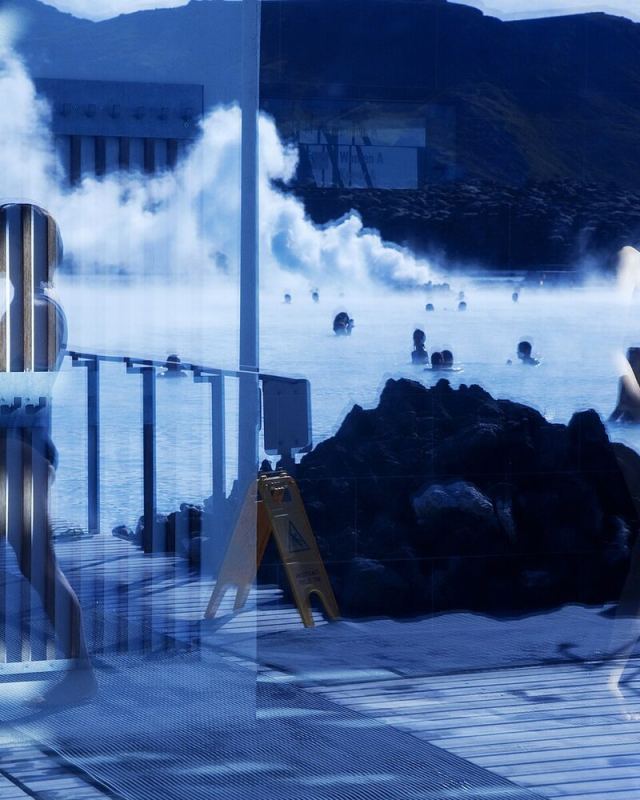
The Retreat at Blue Lagoon Iceland takes the idea into volcanic country. Its sixty suites are set into a lava flow some eight centuries old, guests have their own section of the lagoon away from day visitors, and the largely underground spa runs silica and algae rituals and in-water treatments. About twenty minutes from Keflavík, it works best as a first or last night in Iceland. Volcanic activity on the Reykjanes peninsula since 2023 has led to closures at short notice, so check the current position before booking.
Onsen and the ryokan
Japan's hot-spring inns follow a different logic. The bath is part of the rhythm of the day, taken before dinner, before bed and again at dawn, and a stay is usually priced per person, with a long kaiseki dinner and a traditional breakfast at its centre. Communal baths are entered after washing, without swimwear, and are normally separated by sex. Some public baths still restrict tattoos, so a room with its own bath is worth the premium for anyone uneasy about either.
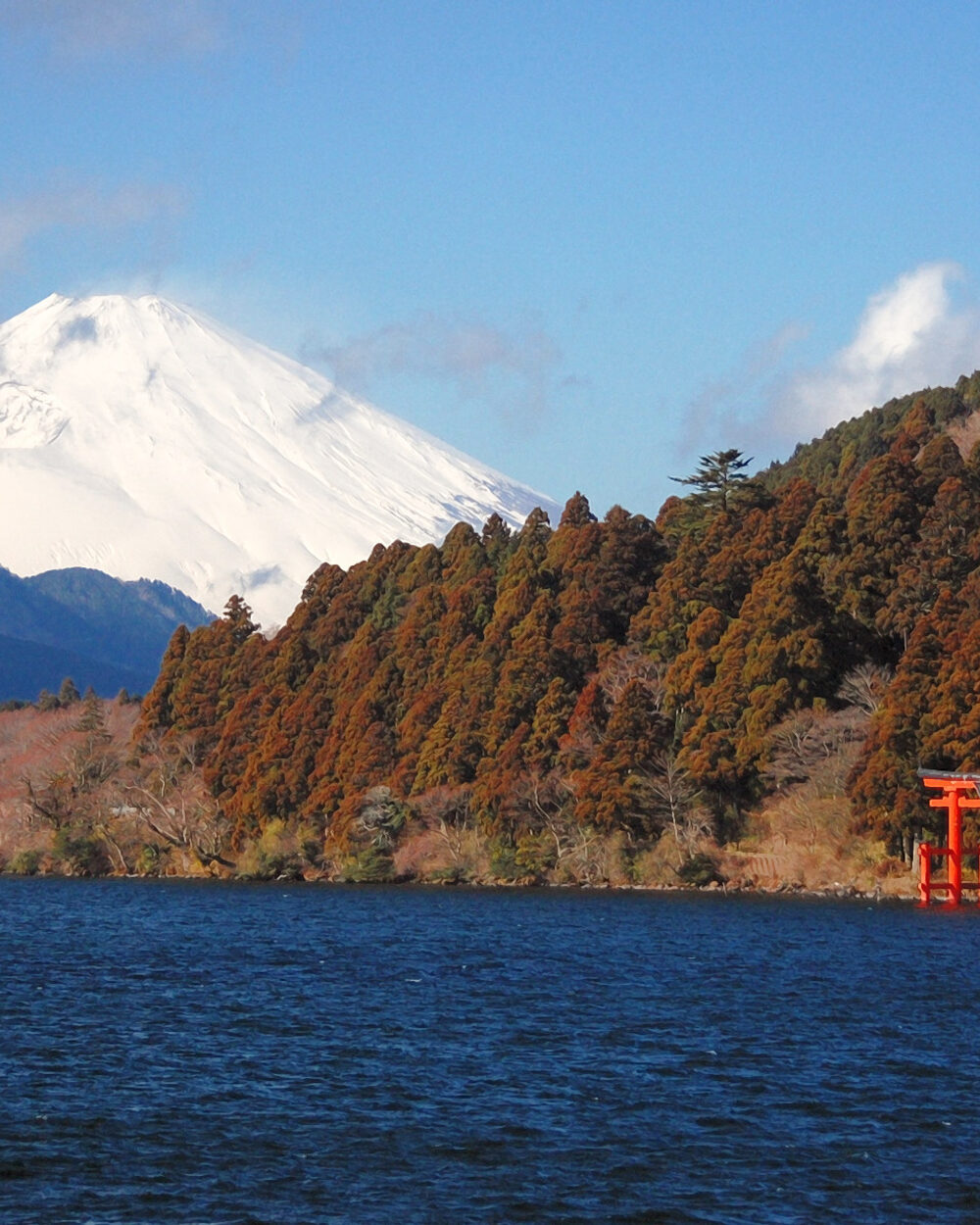
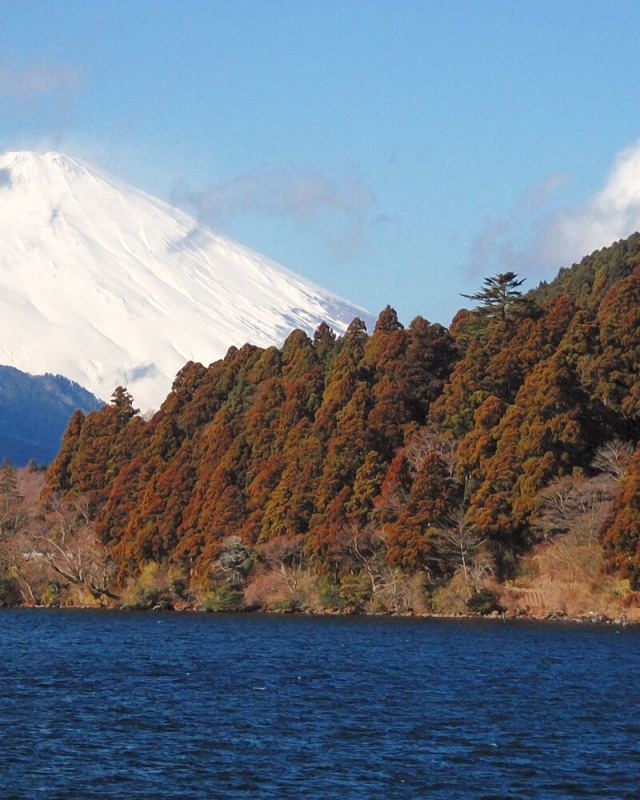
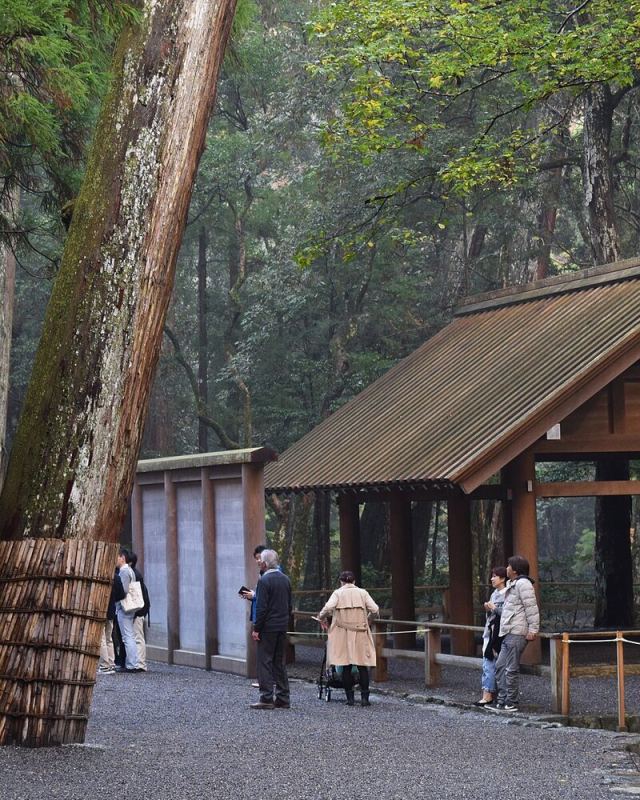
Gora Kadan in Hakone occupies a former summer villa of a branch of the imperial family, now a Relais & Châteaux ryokan. Several rooms have a private open-air bath on a deck, fed by Hakone's volcanic springs, alongside communal indoor and outdoor baths, and Tokyo is roughly ninety minutes away. It is listed from about US$620 per person. Amanemu, on a wooded ridge above Ago Bay in Ise-Shima National Park, brings Aman's polish to the form: every suite and villa has its own onsen bath on a terrace, and the spa adds thermal bathing pavilions, watsu and programmes that run over several days, from around US$1,300 a night. Both suit two or three slow nights within a longer Japan itinerary.
Photographs: Wikimedia Commons contributors — select to enlarge for full credits.
Ayurveda and the structured retreat
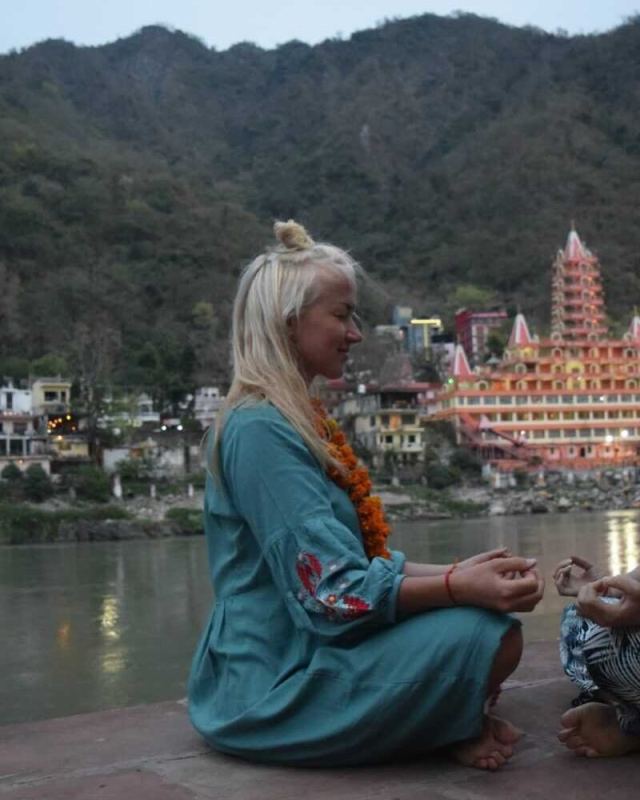
A programme-led retreat asks more of you. At Ananda in the Himalayas, on land above Rishikesh that once formed the Maharaja of Tehri Garhwal's palace estate, each guest is assessed at the start and assigned a programme (Ayurvedic panchakarma, yoga, stress, weight or sleep), which then determines what they eat, which treatments they receive and how each day runs. Stays of several nights are the norm; it is listed per person all inclusive from around US$800.
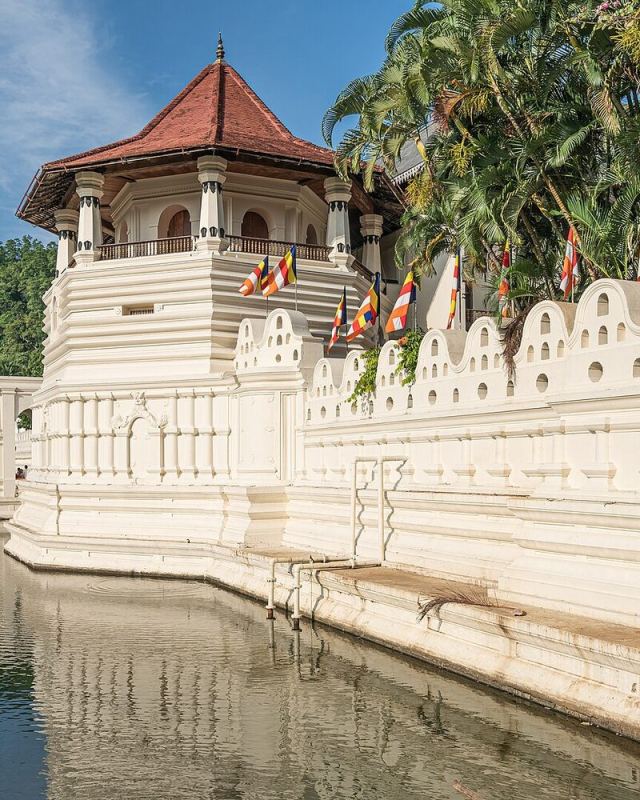
Santani Wellness Resort in Sri Lanka's hill country is starker in its architecture, with stripped-back chalets of glass, concrete and timber on a reclaimed tea estate east of Kandy. Guests follow a personal track combining Ayurveda, physiotherapy, yoga and meditation, and the kitchen cooks to each diagnosis rather than from a menu. From around US$350 a night, it rewards a week or more. Traditional Ayurvedic cleansing is designed to unfold over days rather than hours, and a long weekend rarely does it justice.
Destination spas and wellness-led resorts
A destination spa sells the stay as a whole, as a programme rather than a run of room nights. Chiva-Som in Hua Hin, open since 1995, effectively set the template for the Asian health resort. Every stay begins with a consultation, and programmes cover detox, fitness, sleep, stress, longevity and recovery after illness, supported by physiotherapy and an on-site medical team. The listing gives a nightly figure from around US$800, but it sells stays as retreats of several nights, so compare packages rather than nights.
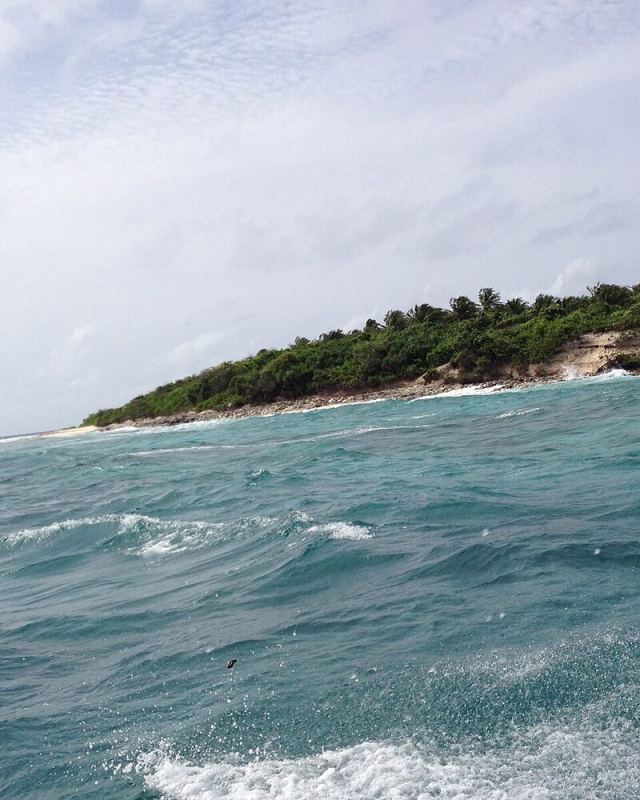
JOALI BEING applies the same thinking to a Maldivian island. The adults-only Raa Atoll retreat was designed around wellbeing from the outset, and its programmes fall into four strands, namely mind, skin, microbiome and energy, with each guest paired with a practitioner who shapes the itinerary. It is reached by seaplane from Malé and listed from around US$1,600 a night. Both suit travellers with a clear aim and the time to pursue it.
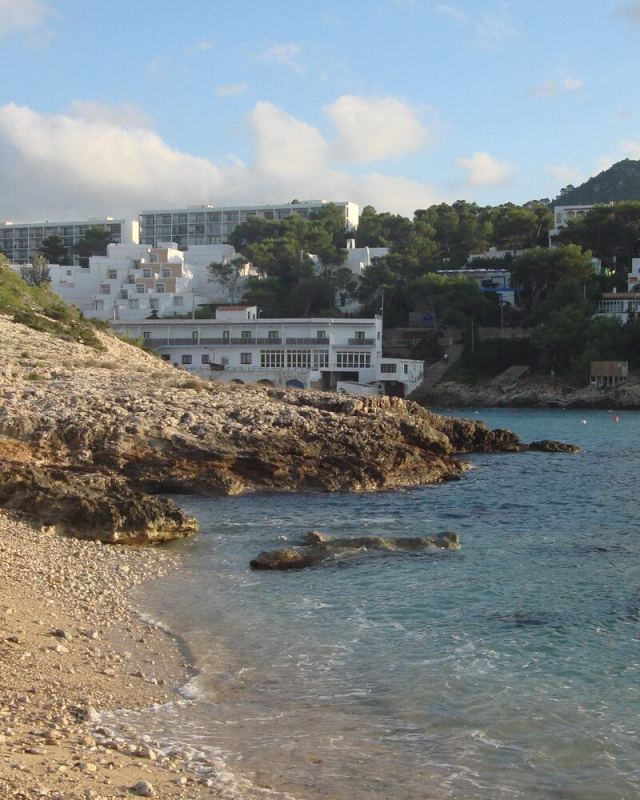
Between the clinic and the beach resort sits the wellness-led resort, where the programme is there if you want it. Six Senses Ibiza, on Xarraca bay in the island's quiet north, offers diagnostics, longevity consultations and sleep tracking alongside a resident DJ programme and late, lingering dinners in its village-style square. Few places on the island can host a week of detox and a weekend of dancing equally well, which also makes it a good answer for couples who want different things from the same holiday. It is seasonal, typically open from late April to October, from about €750 a night.
Britain's spa hotels
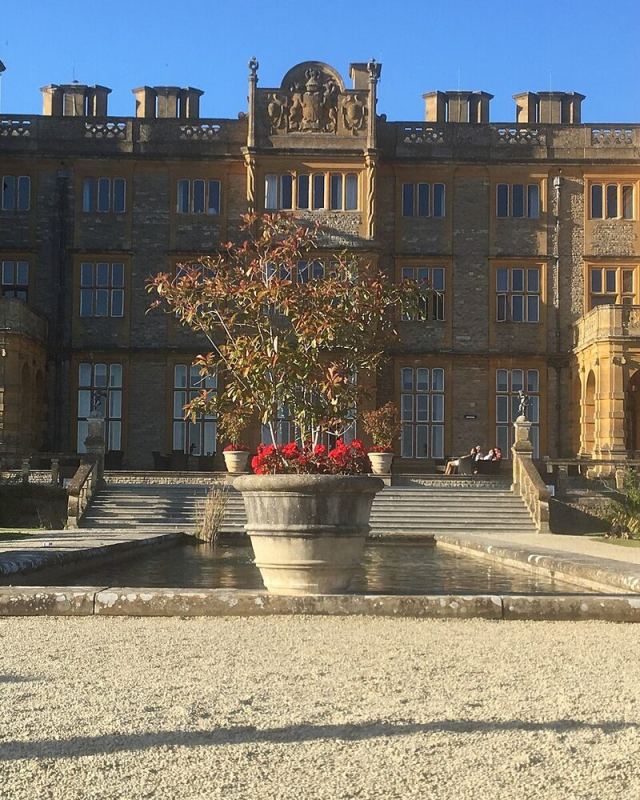
For a weekend with no flights, the UK's leading spa hotels now compete on ambition. Estelle Manor near Witney has built Eynsham Baths, a marble tepidarium hall of some 3,000 square metres holding thermal baths and a pool for breathwork, with therapies rooted in Indian, Tibetan and Chinese practice, half an hour from Oxford; it is listed from around £675 a night. The Gainsborough, above, remains the choice for genuine spring water. Both suit two nights and no itinerary at all.
Which kind of stay suits you
- A short reset: a British spa hotel or Bath's thermal circuit, two nights.
- Bathing as ritual: an onsen ryokan, two or three nights within a wider trip.
- A defined health goal: an Ayurvedic or destination retreat, ideally a week.
- Mixed ambitions: a wellness-led resort where the programme is optional.
Whichever you choose, treat wellness programmes as a complement to medical care rather than a substitute for it, and mention any health conditions when booking. Prices shown are indicative starting points, not quotes.