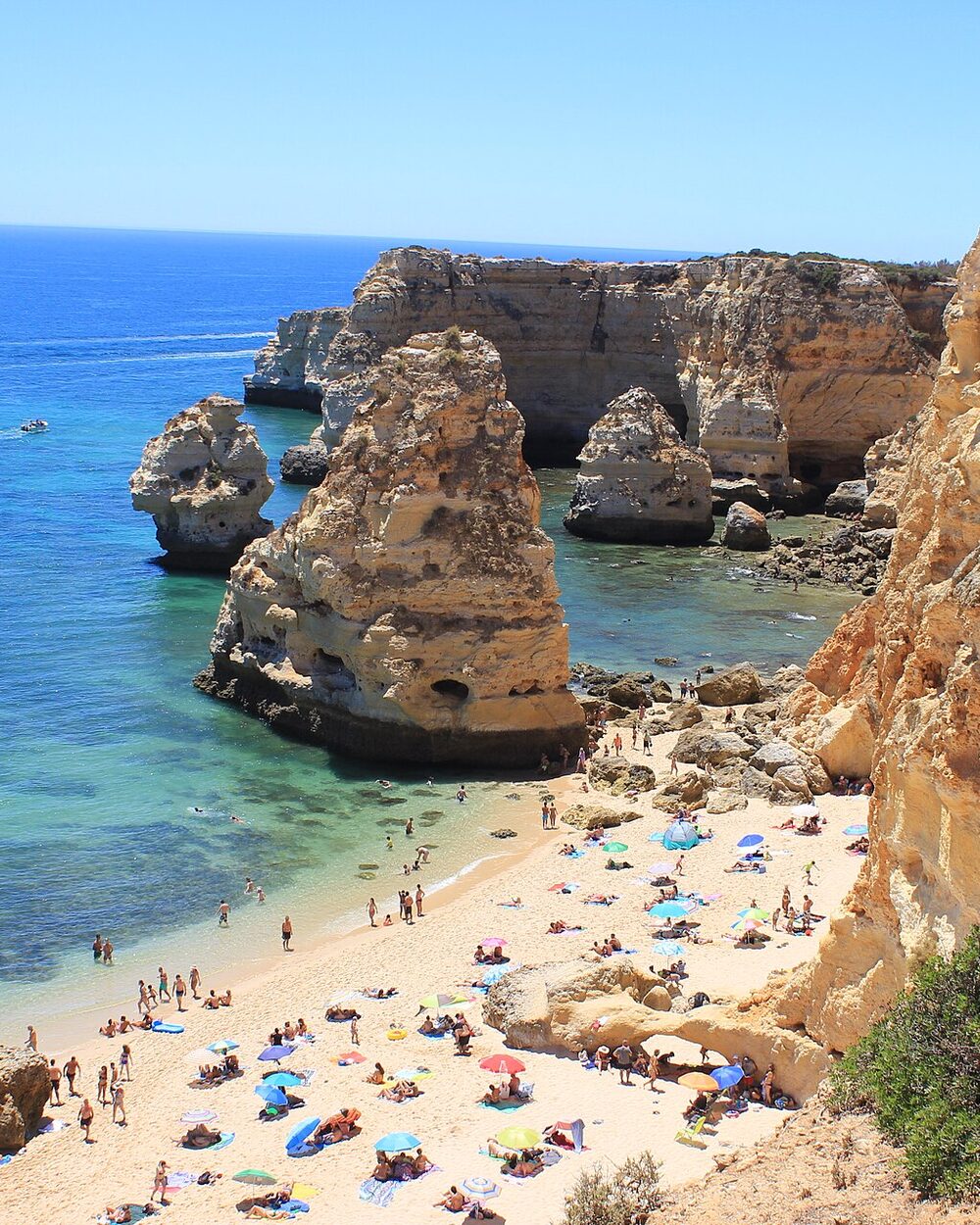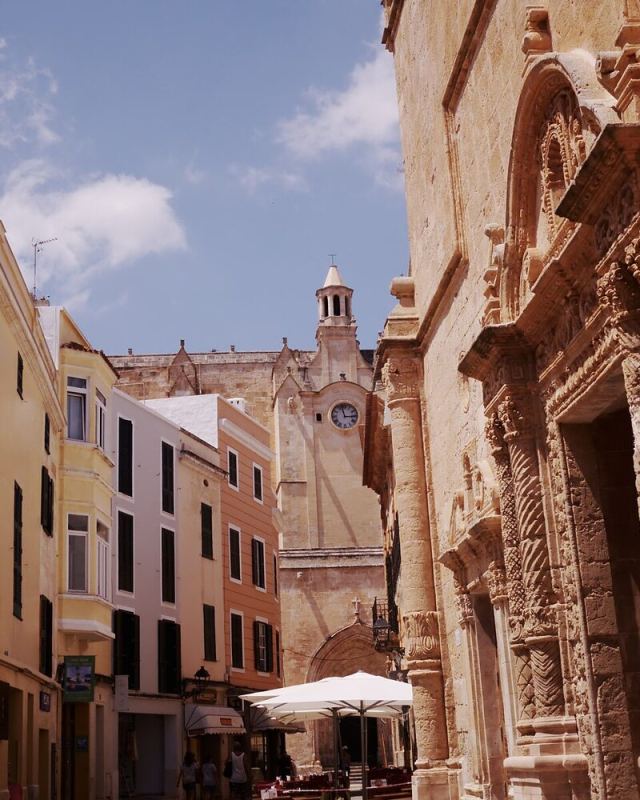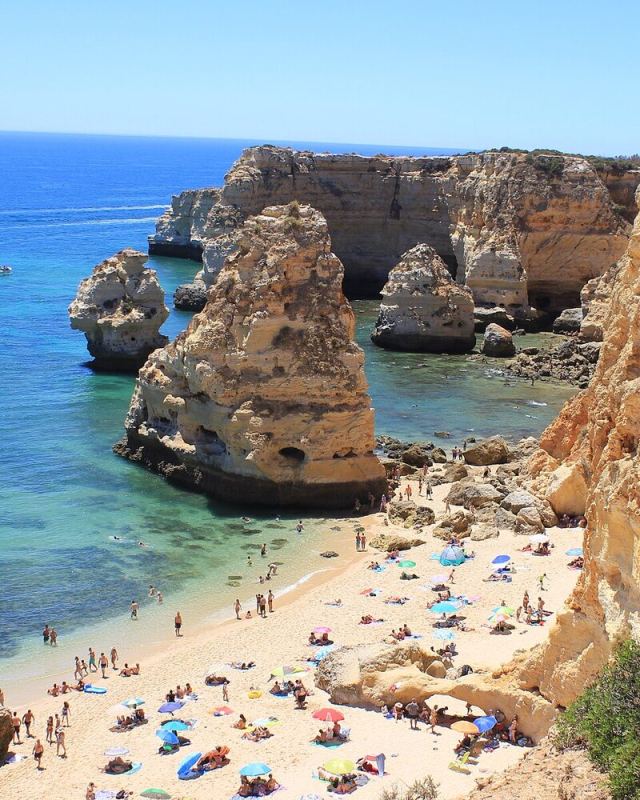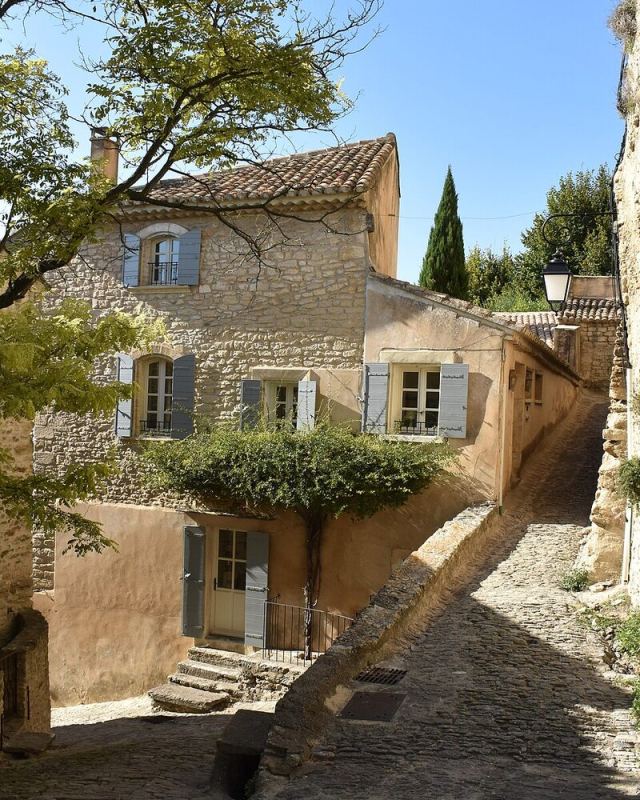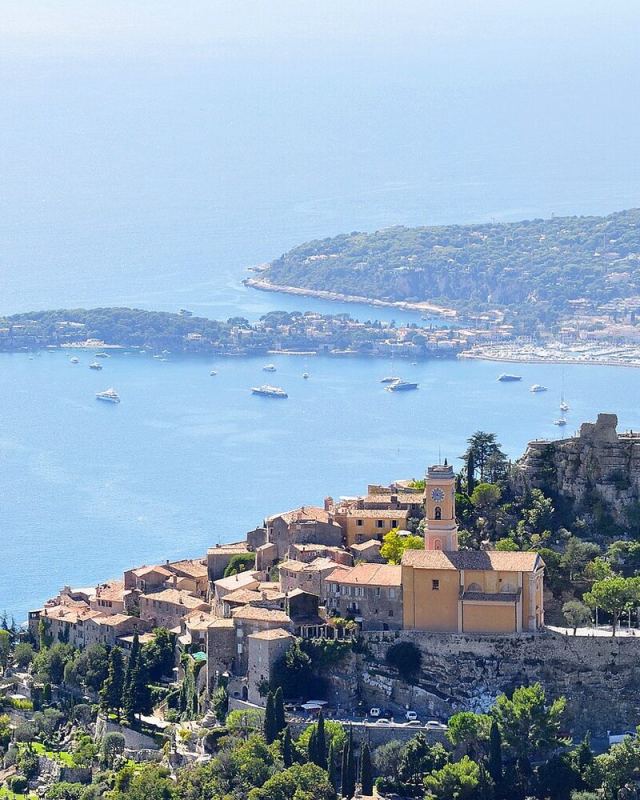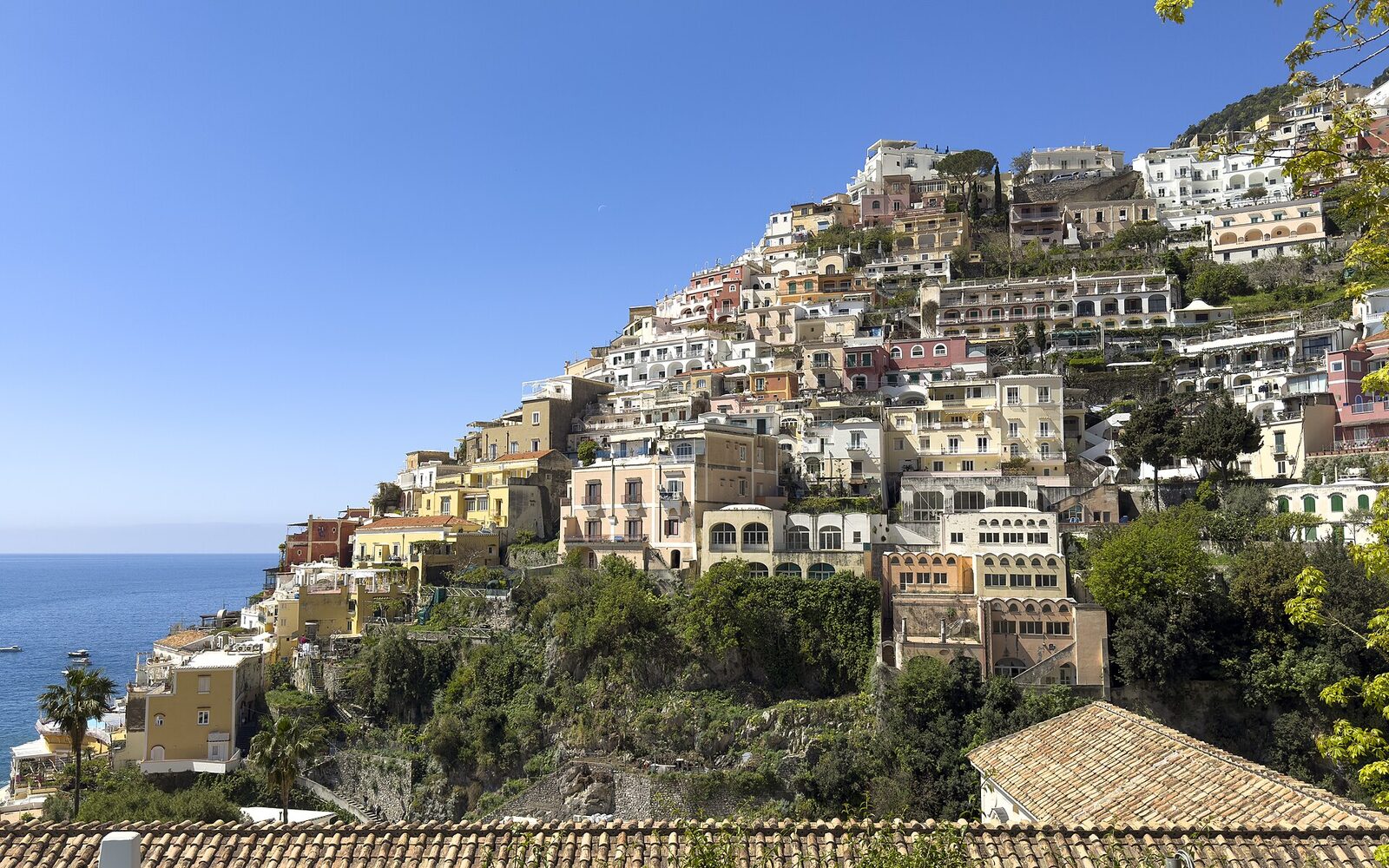
The Mediterranean summer is really several summers. The Amalfi Coast in August is a different place from the Amalfi Coast in late May; the Cyclades in July come with a wind the brochures rarely mention; and the Algarve, which isn't on the Mediterranean at all, has a fresher sea than visitors expect. Choosing a coast means choosing a character, then choosing the weeks that suit it.
Across southern Europe the pressure points are predictable. July and August bring the heat, the highest rates and the school holidays, with mid-August the peak: Italy's Ferragosto on 15 August and the French grandes vacances fill the coasts with domestic holidaymakers as well as foreign ones. Late May and June offer long days and a sea that is swimmable if still fresh. September is, for many, the best month of all, with the water at or near its warmest and the crowds thinning once schools go back.
Most of the hotels below are seasonal, opening in spring and closing in autumn, so check dates before planning anything for March, October or November.
Amalfi and southern Italy
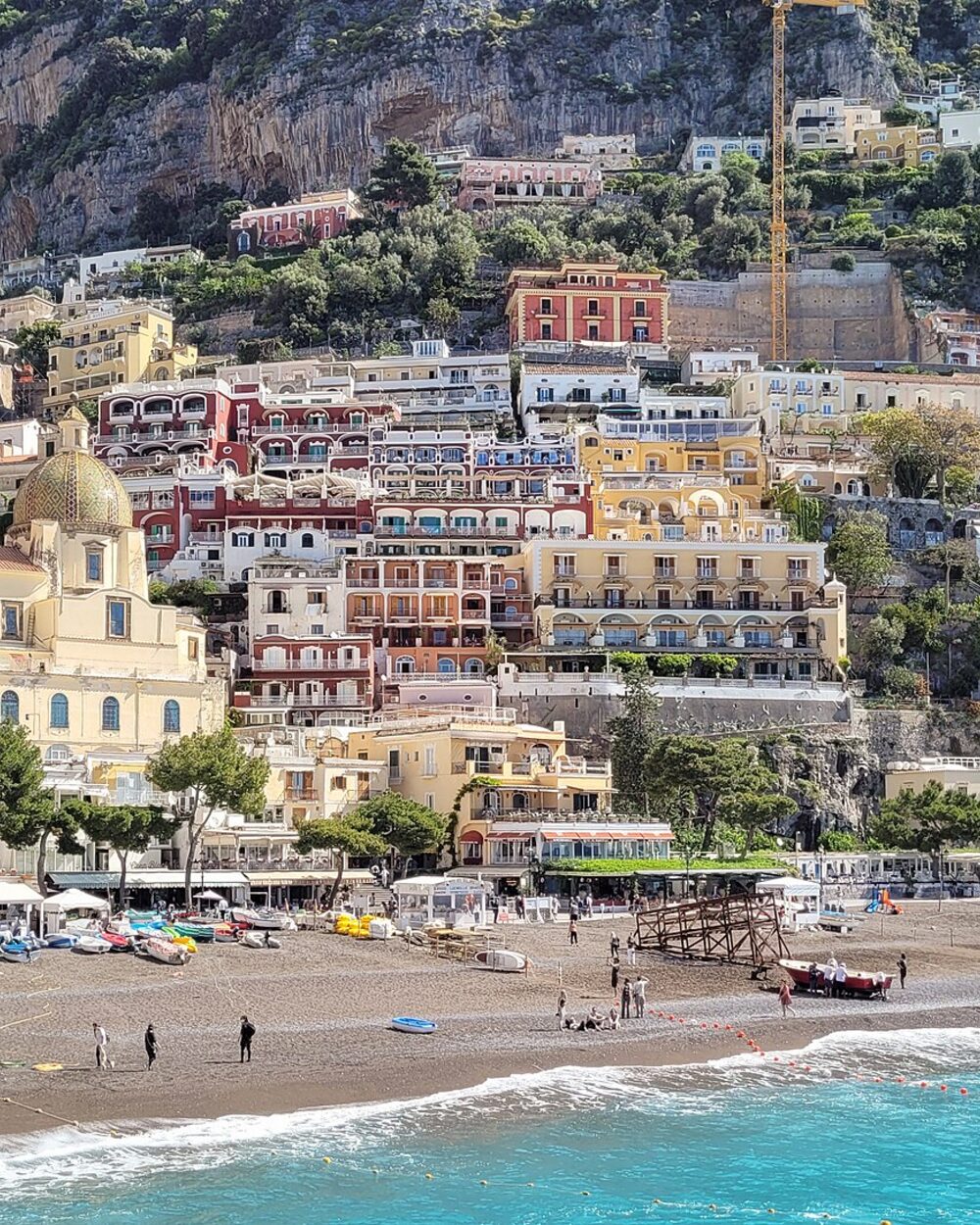
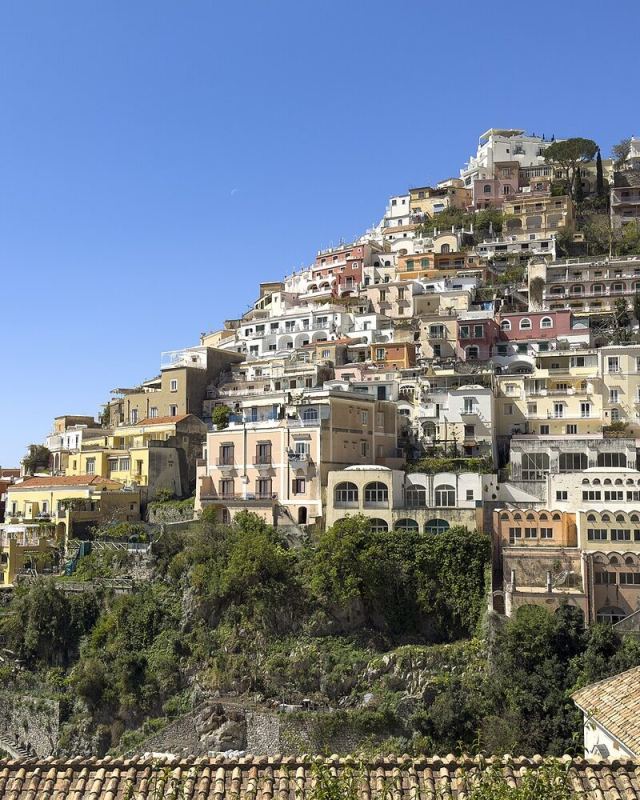
The Amalfi Coast is vertical: towns stacked on cliffs, one winding coast road and beaches that are more pebble than sand. In high summer the road jams and Positano's lanes fill with day visitors, so May, June and late September are the sweet spot. Le Sirenuse has been run by the Sersale family since 1951 and steps down the hillside in terraces facing the domed church of Santa Maria Assunta. Almost every room has outdoor space, dinner at La Sponda is lit by hundreds of candles, and the hotel boat runs out to the Li Galli islands. It opens roughly late March to early November, from around €850 a night.
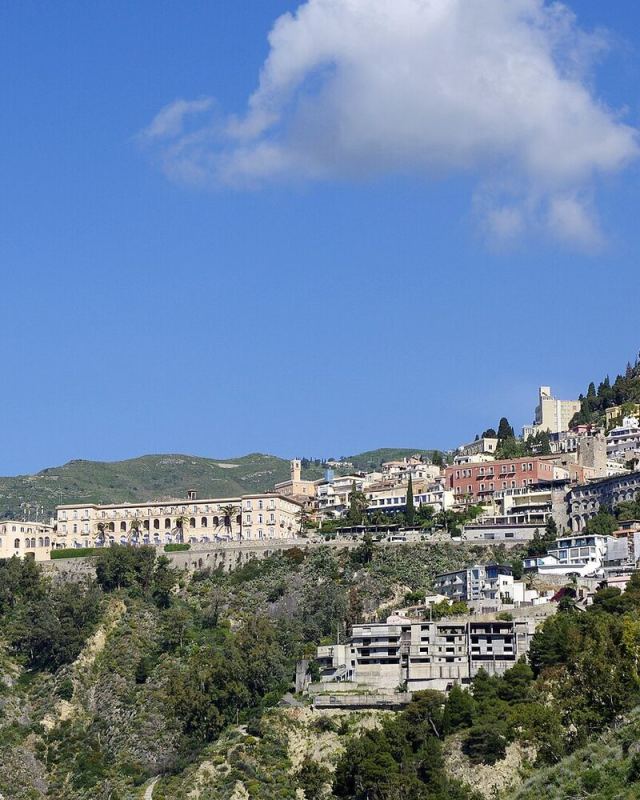
Sicily offers more history and more room. San Domenico Palace, Taormina, A Four Seasons Hotel occupies a fifteenth-century Dominican convent, reopened in 2021 after a long restoration, with cloisters, terraced gardens, Etna on the horizon and a beach club down at Isola Bella. Taormina is crowded in summer and far easier in spring and autumn, when Etna can still be climbed and the sea is warm enough to swim. The hotel runs roughly late March to early November.
The Greek islands
The Cyclades are shaped by the meltemi, the dry northerly wind that is strongest in July and August. It keeps the heat bearable but can make ferry crossings rough and exposed beaches unusable, which is one more argument for June or September.
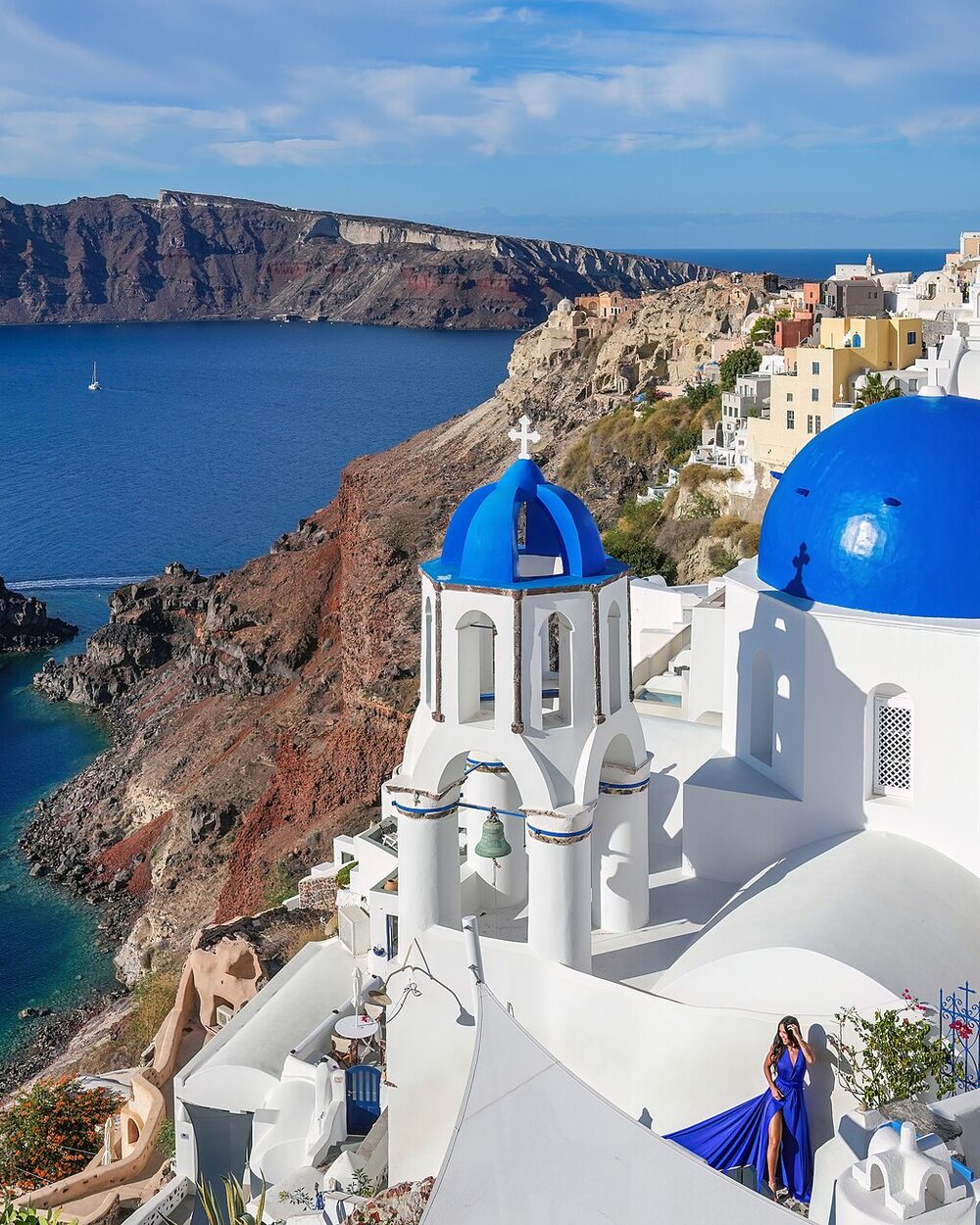
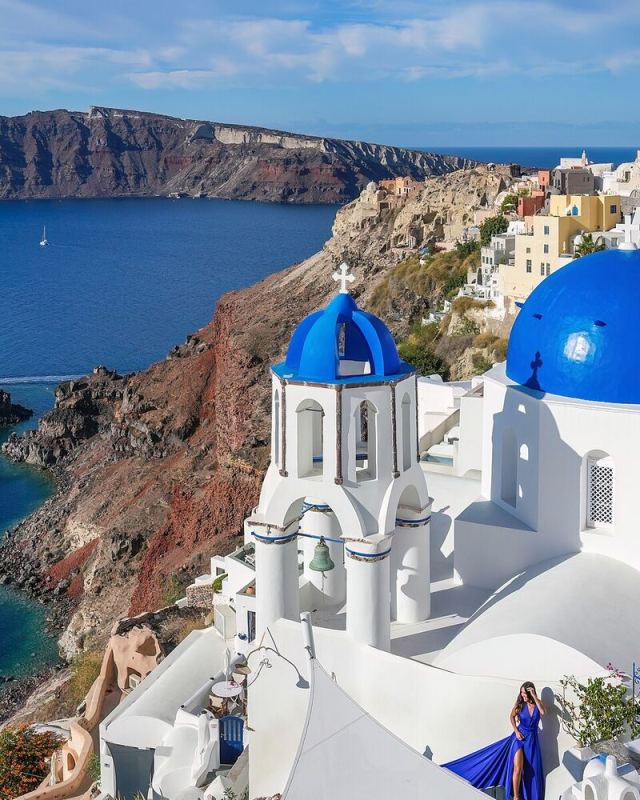
Santorini is the most famous island and the most crowded, particularly at sunset in Oia, when cruise passengers join everyone else on the caldera rim. If you want the view without the jostle, stay rather than visit. Canaves Oia Epitome is a contemporary take on the caldera hotel, with every suite and villa given its own pool or plunge pool and a terrace angled for privacy. Expect steps, as everywhere in Oia. It opens roughly late March to early November, from around €900 a night.
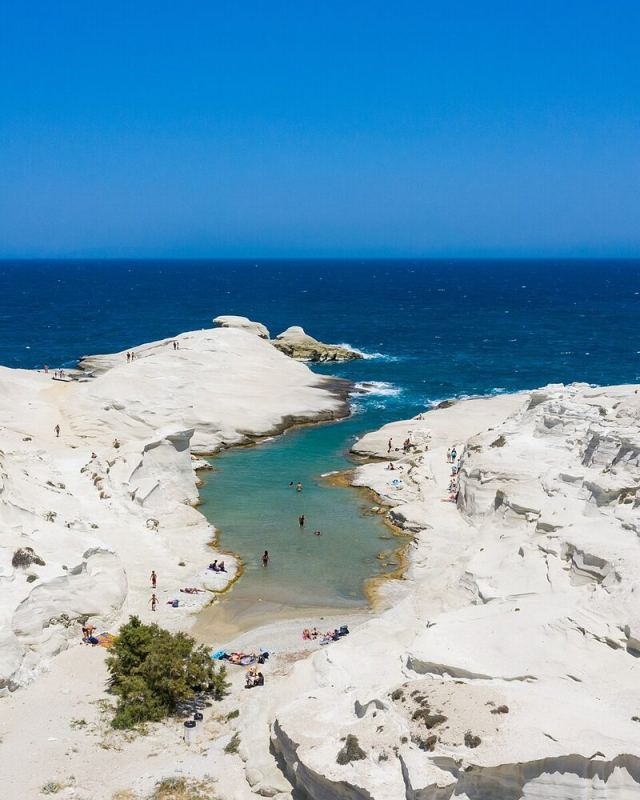
Milos is the counterpoint: volcanic, less developed and noticeably calmer. Milos Cove has around forty suites and villas stepped down to a private inlet on the east coast, each with its own pool, and runs boats to Kleftiko, a beach reachable only by sea. The season is shorter, roughly May to early October, and limited flights mean most guests arrive by ferry from Athens.