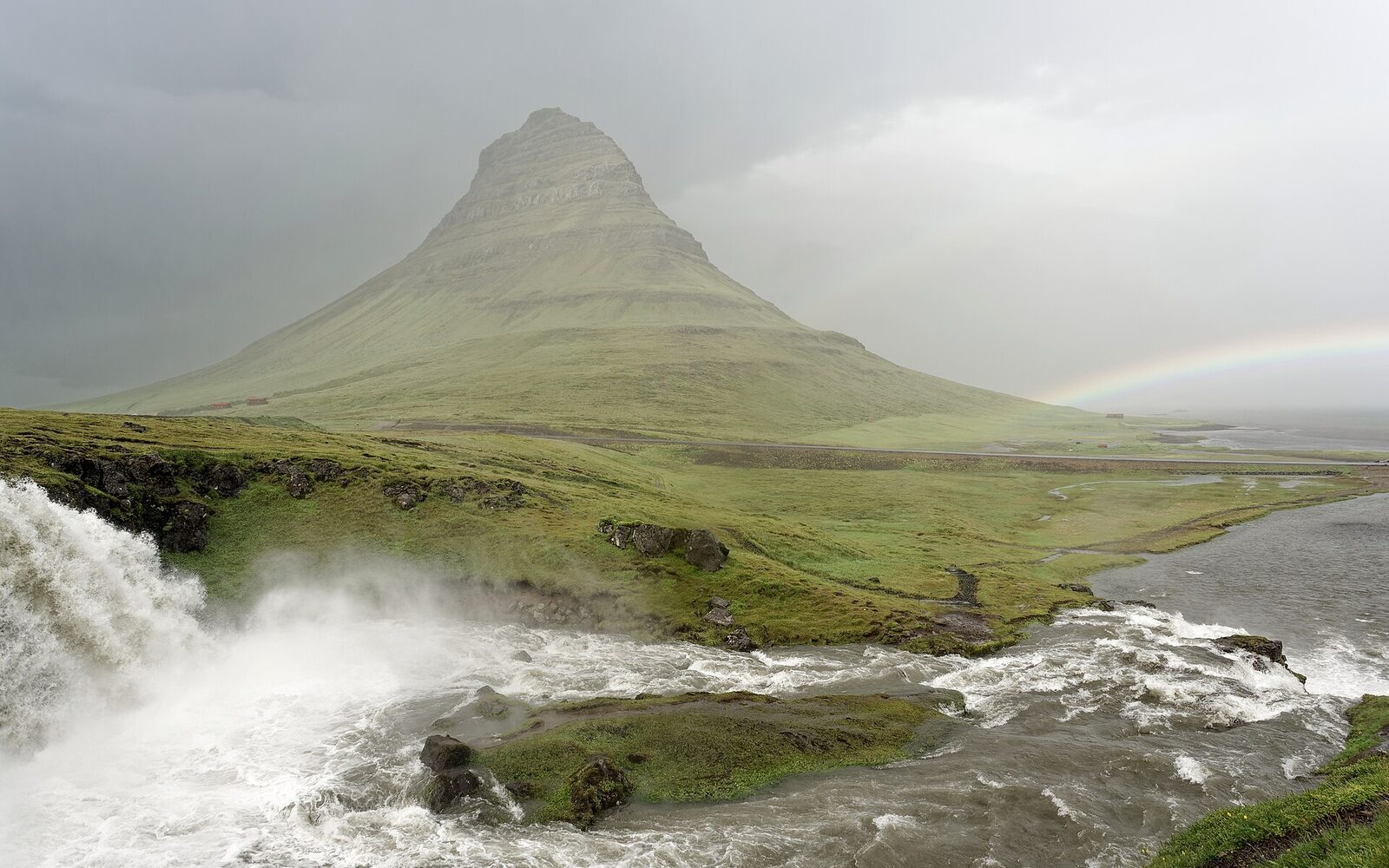
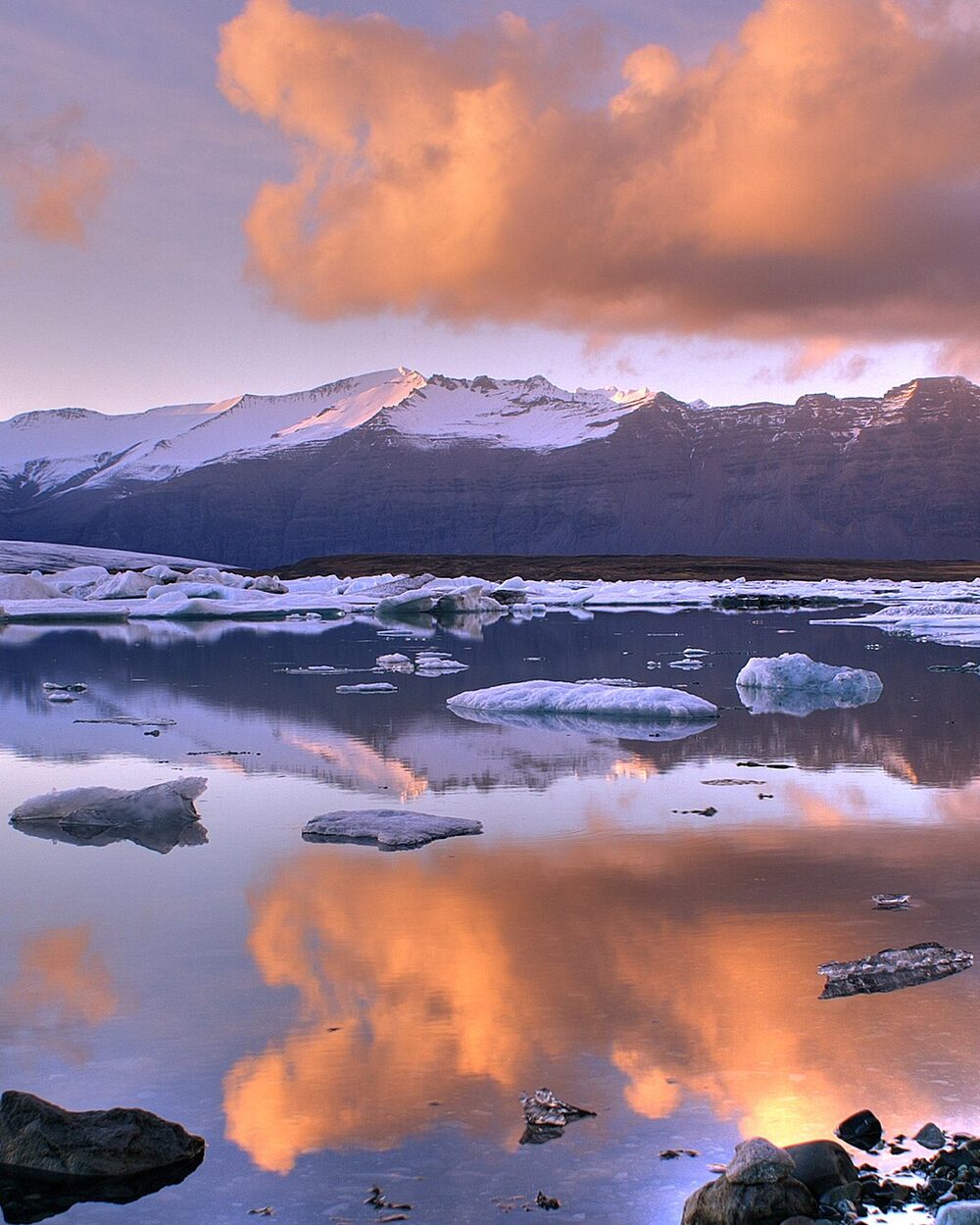
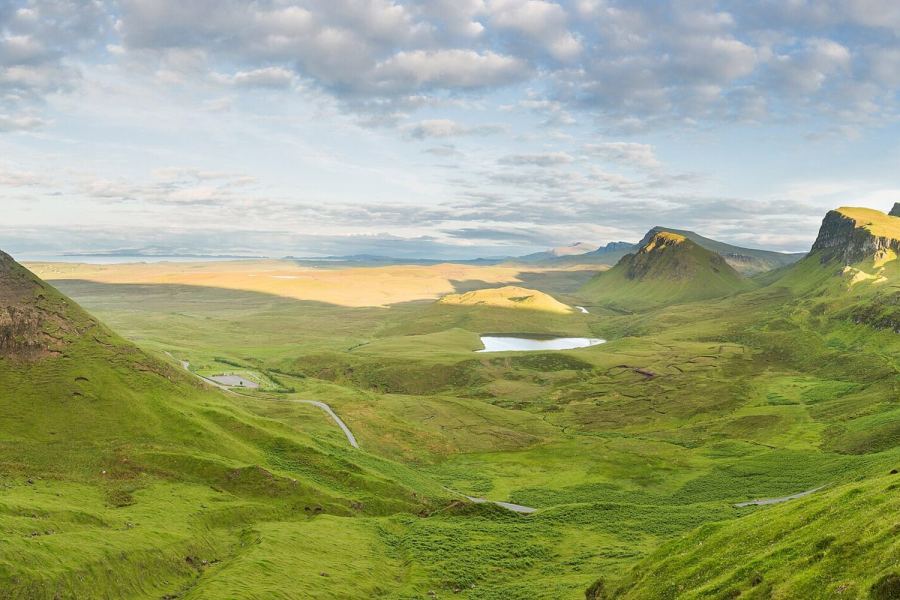
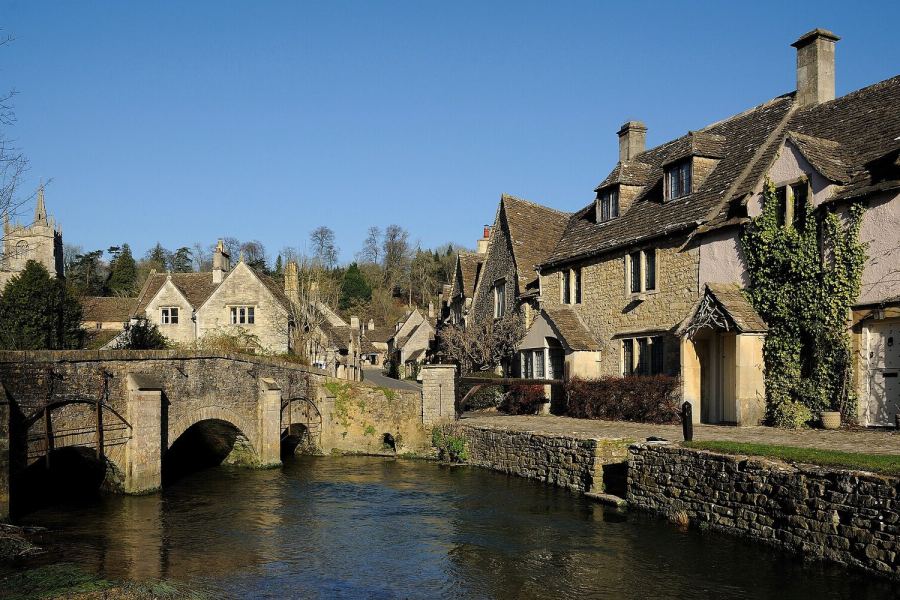
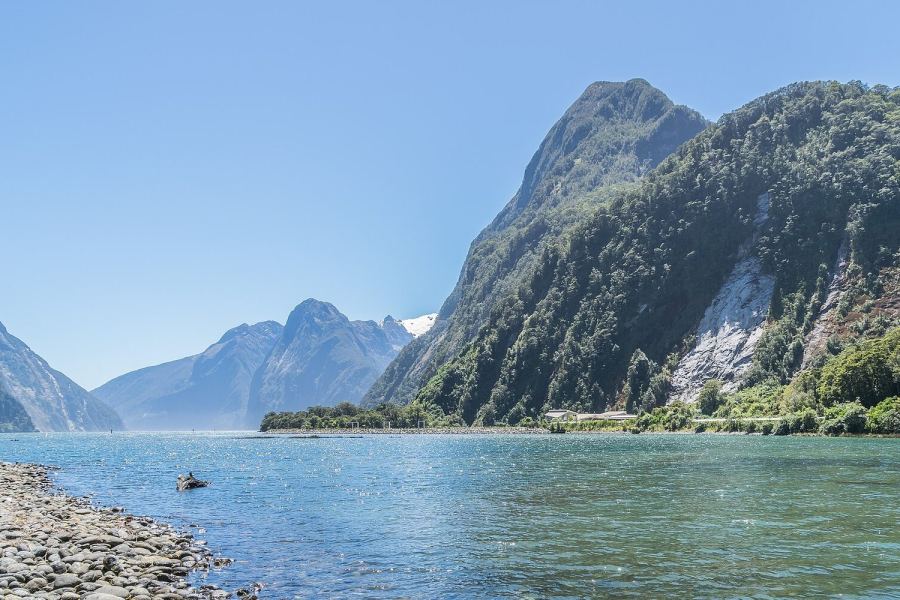
Iceland is small enough to drive around in a week and varied enough to fill a month, and most of the decisions about it come down to light. In late December Reykjavík has barely four hours of daylight; in late June it has close to twenty-one, and in the far north the sun scarcely sets. The northern lights belong to the dark half of the year, roughly September to April; the highlands and the long evening walks belong to summer. Choose the season first, and the right places to stay follow.
Winter and the northern lights
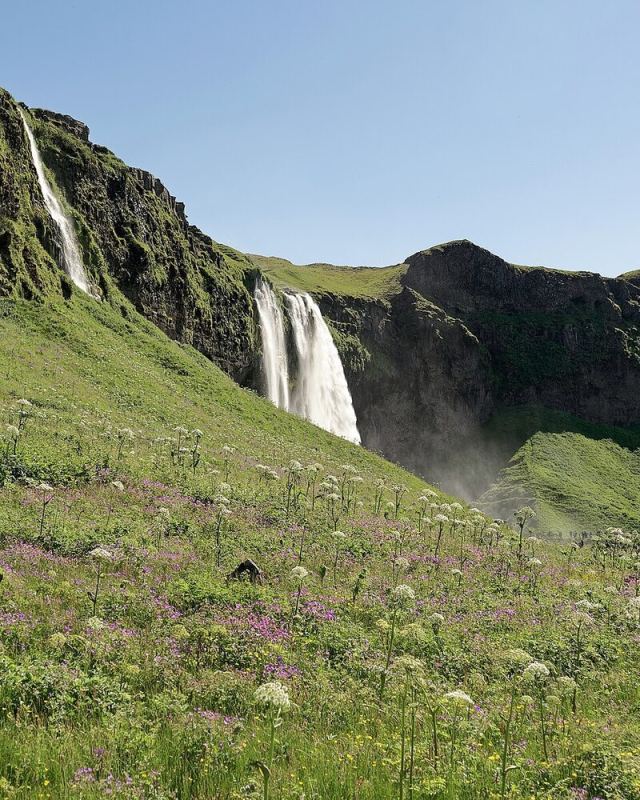
Seeing the aurora takes three things: darkness, a clear sky and solar activity. You can control only the first, which is why the best winter bases are out in the countryside, well away from town lights. Hotel Rangá on the south coast has built its reputation on exactly this, with an on-site observatory, telescopes and a wake-up call when the lights appear, plus geothermal hot tubs on the riverbank. It also serves as the standard base for the south coast's waterfalls and the black sand at Reynisfjara, with rates from around US$450 a night.
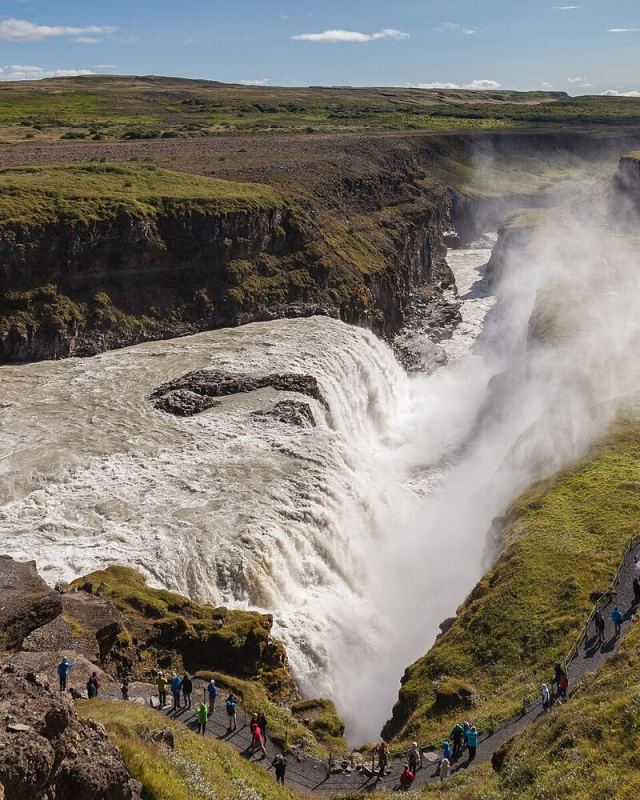
In the Golden Circle, Torfhús Retreat offers a more private version: twenty-five turf-roofed houses, almost all with their own basalt-lined geothermal tub, and a communal longhouse serving a fixed evening menu. Þingvellir, Geysir and Gullfoss are within half an hour, but the real point is soaking outdoors under a dark sky with the Langjökull icecap in view.
Winter also demands flexibility. Storms can close roads at short notice, and days are short, so check the official road and weather updates before every drive and build a spare day into any itinerary that ends with a flight.
Geothermal luxury
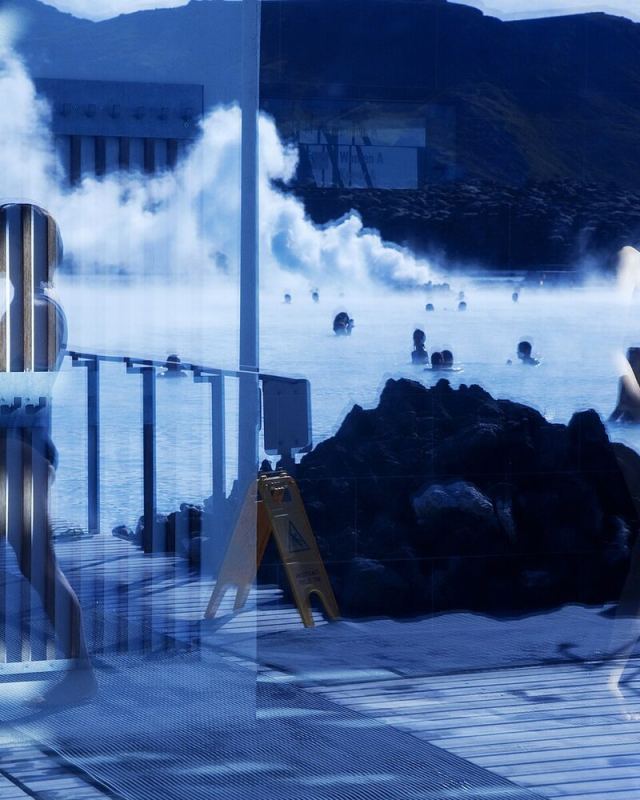
Hot water runs through Icelandic life: most homes are heated geothermally, and the local swimming pool is a social institution. The Retreat at Blue Lagoon Iceland takes the idea furthest, with sixty suites set into a lava flow some eight centuries old, a largely subterranean spa and a private section of the lagoon away from day visitors. Being around twenty minutes from Keflavík airport makes it a natural first or last night. The Reykjanes peninsula has, however, seen repeated volcanic eruptions since 2023, which have caused short-notice closures, so check the current situation before booking. Rates start from around US$1,500 a night.
One point of etiquette applies everywhere, from hotel spas to village pools: Icelanders shower thoroughly, without swimwear, before getting into the water, and expect visitors to do the same.
Photographs: Wikimedia Commons contributors — select to enlarge for full credits.
Summer and the interior
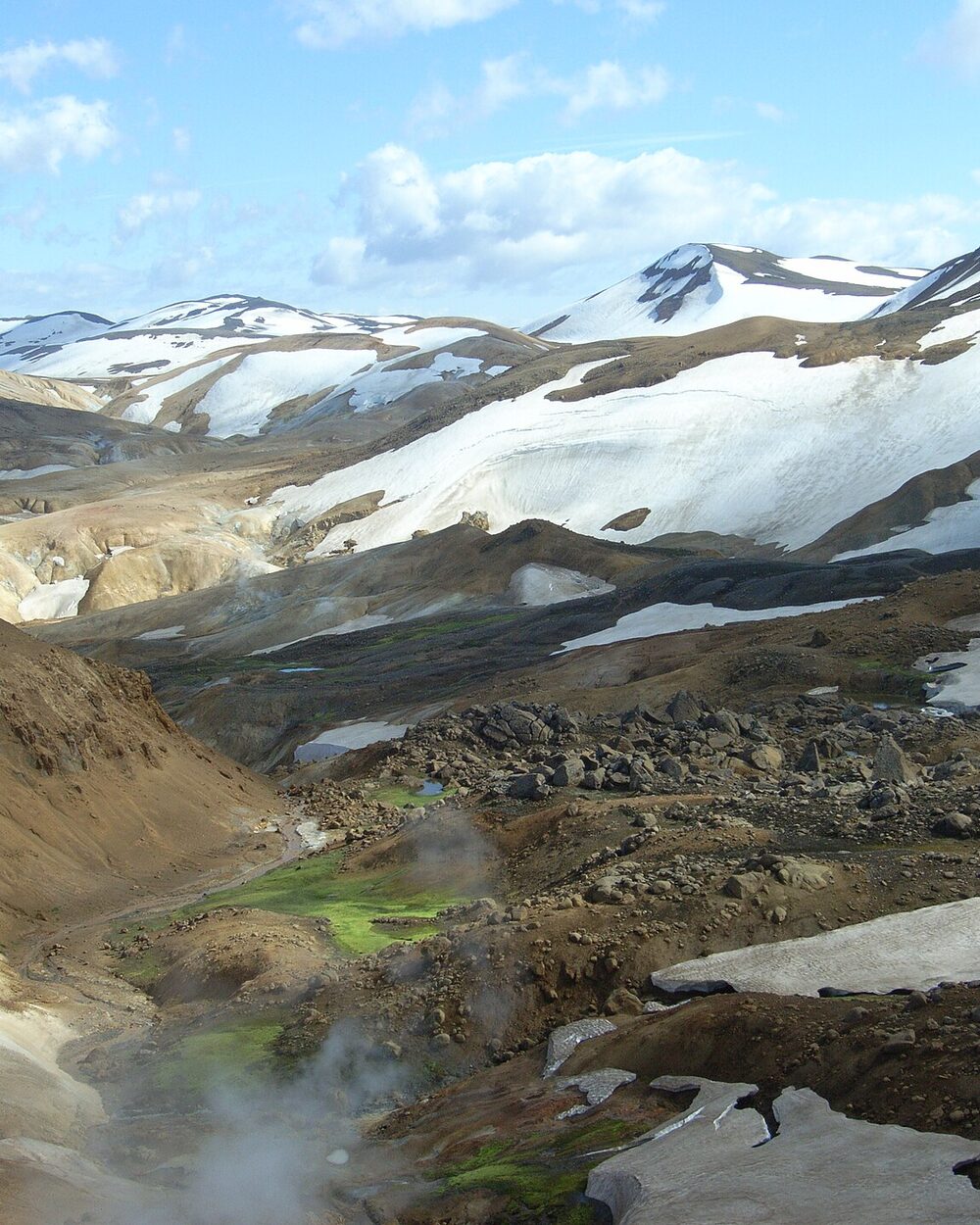
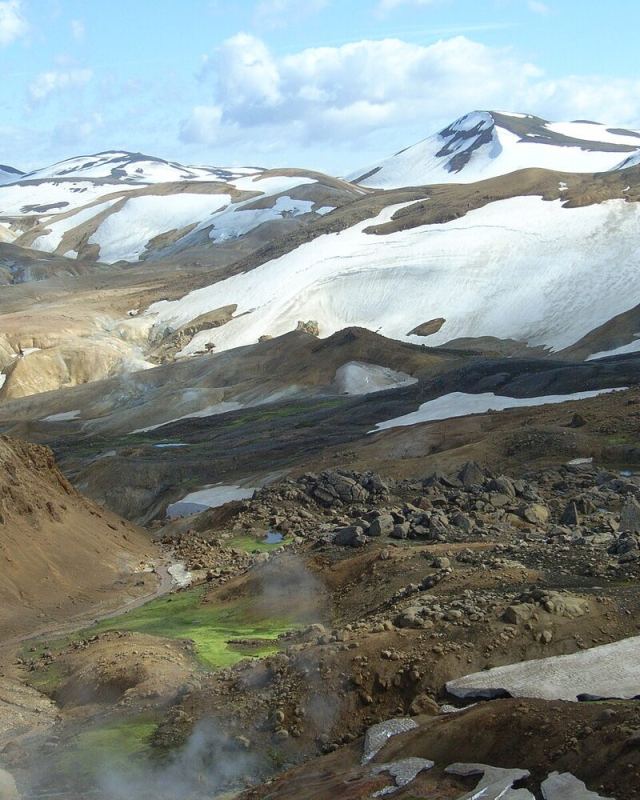
Summer opens the parts of the country that are closed for much of the year. The highland mountain roads generally open only from late June or July, require a four-wheel drive and close again in autumn. Highland Base Kerlingarfjöll is the best reason to make the trip: contemporary rooms and lodges among steaming, orange-streaked rhyolite peaks in the centre of the island, about three and a half hours from Reykjavík, with geothermal baths and hiking through the Hveradalir valley. Simpler cabins and a hostel sit alongside, so the site suits mixed budgets, and in winter it becomes a base for snowcat trips when conditions allow. Rates start from around US$400 a night.
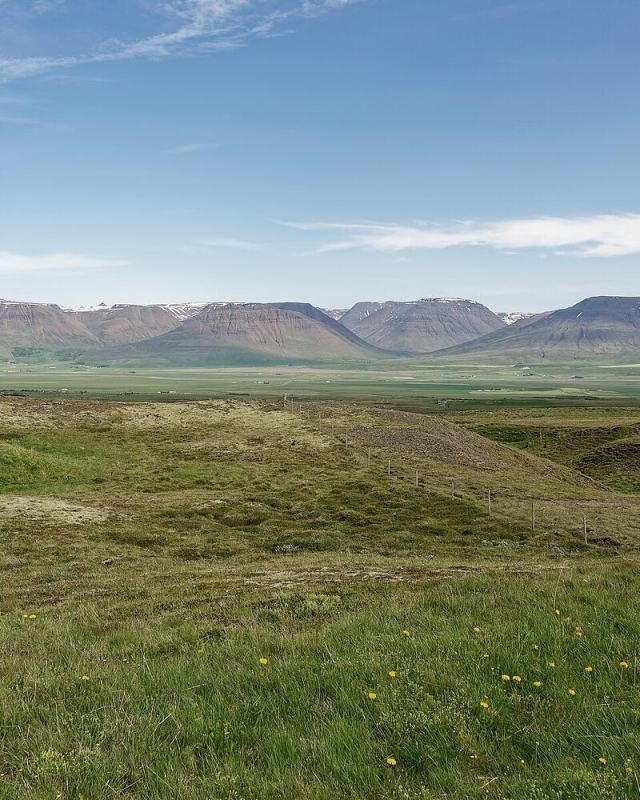
In the north, Eleven Deplar Farm runs two quite different programmes from a former sheep farm on the Tröllaskagi peninsula. From roughly March to early June it is a heli-skiing lodge, with mountains dropping straight to the Arctic sea; in summer it switches to sea kayaking, salmon fishing, surfing and mountain biking under the midnight sun. It has thirteen rooms, rates are all-inclusive of guiding, food and drink, and the lodge is often taken over by a single group. Expect to pay from around US$3,000 a night.
Around the island
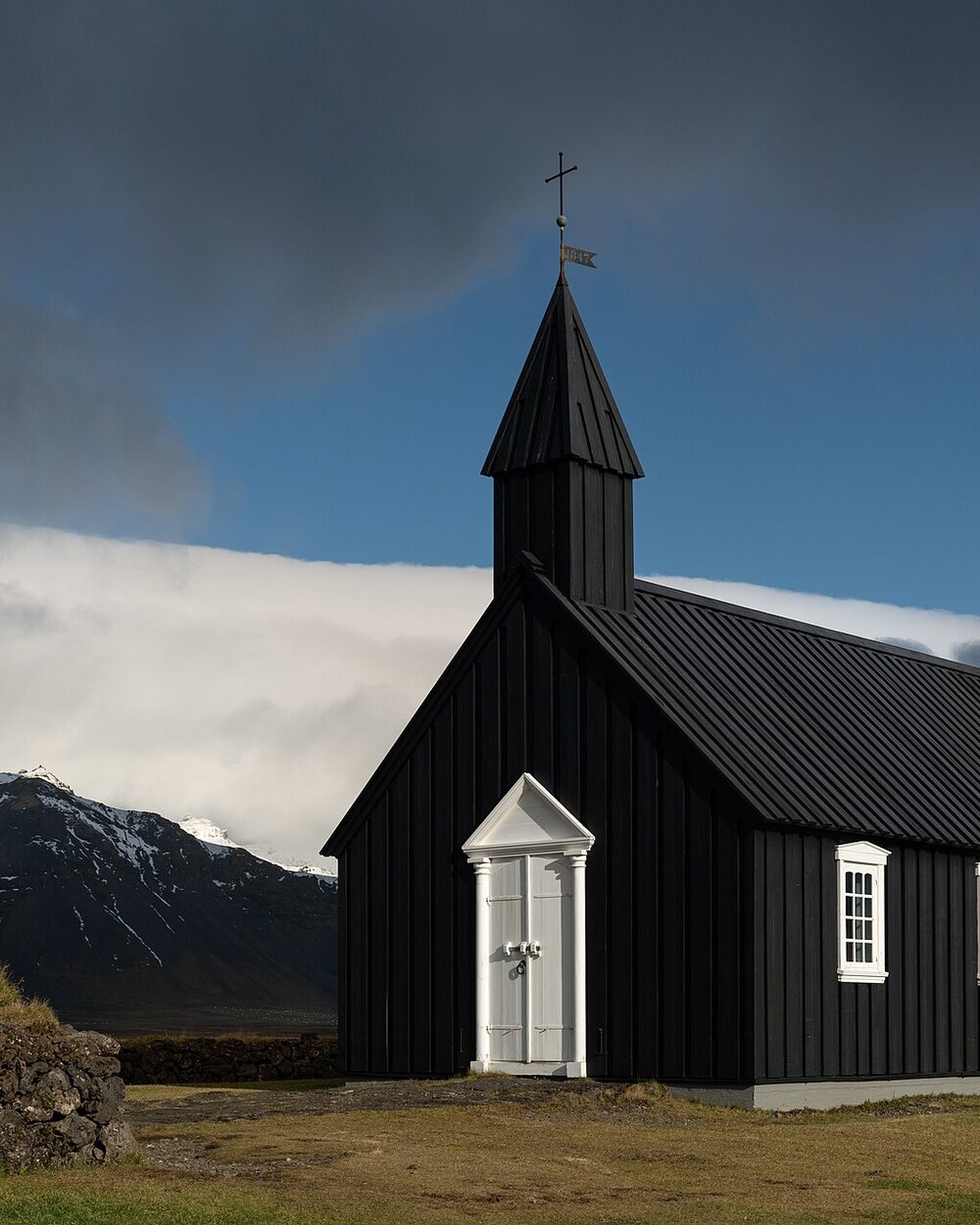
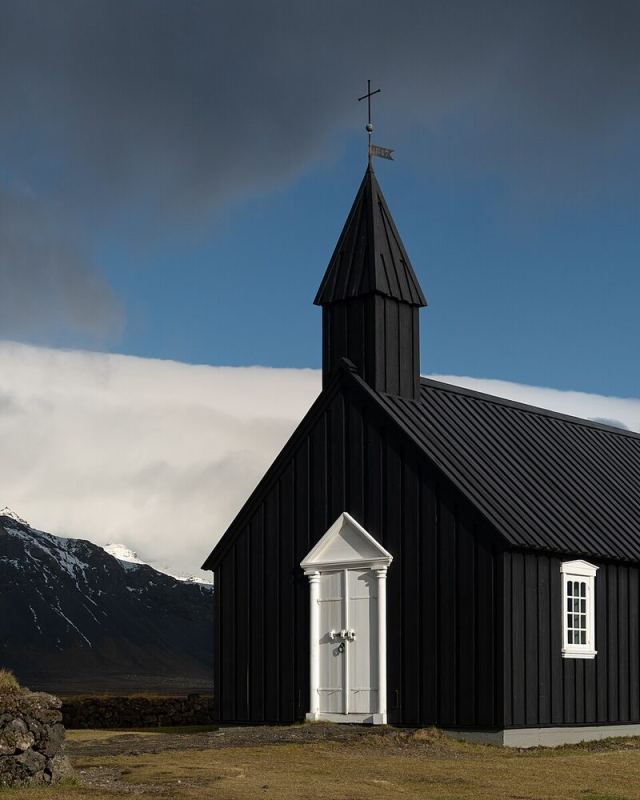
The Ring Road runs for roughly 1,300 kilometres, and the best places to stay along it tend to be small and family-run rather than grand. On the Snæfellsnes peninsula, Hótel Búðir stands almost alone on a shore of black lava and golden sand beside its much-photographed black church, with the Snæfellsjökull glacier above. The rooms are simple; the restaurant looking out to sea is the draw.
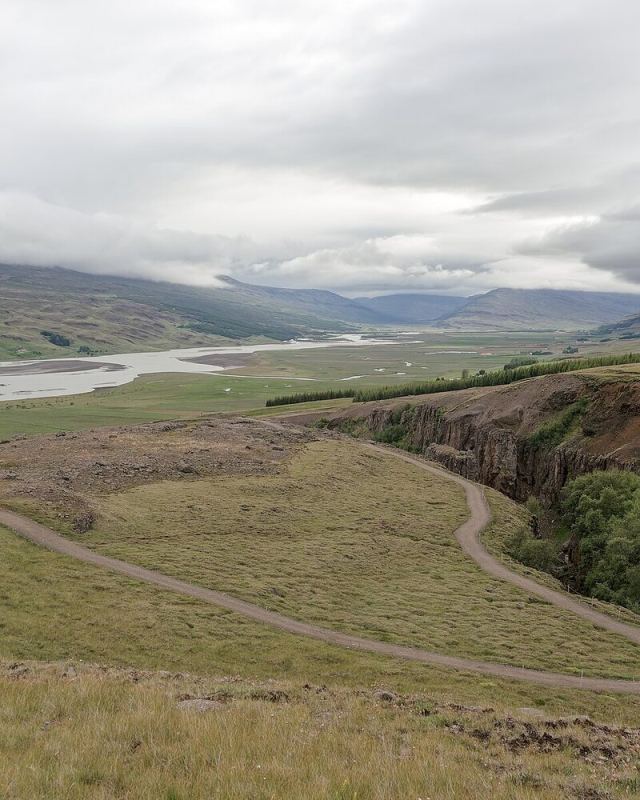
In the east, where good hotels are few, Hotel 1001 Nótt sits above Lake Lagarfljót near Egilsstaðir, with spacious modern rooms, two outdoor hot tubs and a useful position on the long drive between Jökulsárlón and Mývatn.
Reykjavík deserves a night or two at either end. The Reykjavik EDITION on the old harbour beside Harpa is its most polished address, with bay and mountain views from the front rooms and, on clear winter nights, the occasional aurora.
Planning, in short
- For the aurora: September to April, a rural base and at least three nights to allow for cloud.
- For the highlands: July and August, with a proper four-wheel drive or a scheduled transfer.
- For a bit of both: early September, when dark nights return and some highland routes are still open.
- Always: check weather and road conditions daily, because they change quickly.
Prices here are indicative and vary considerably through the year.