Skip to content

Choosing your first safari: six African countries compared

Botswana, Kenya, Tanzania, South Africa, Zambia or Zimbabwe? How the landscapes, seasons and styles of safari differ, and what a per-person rate actually buys.

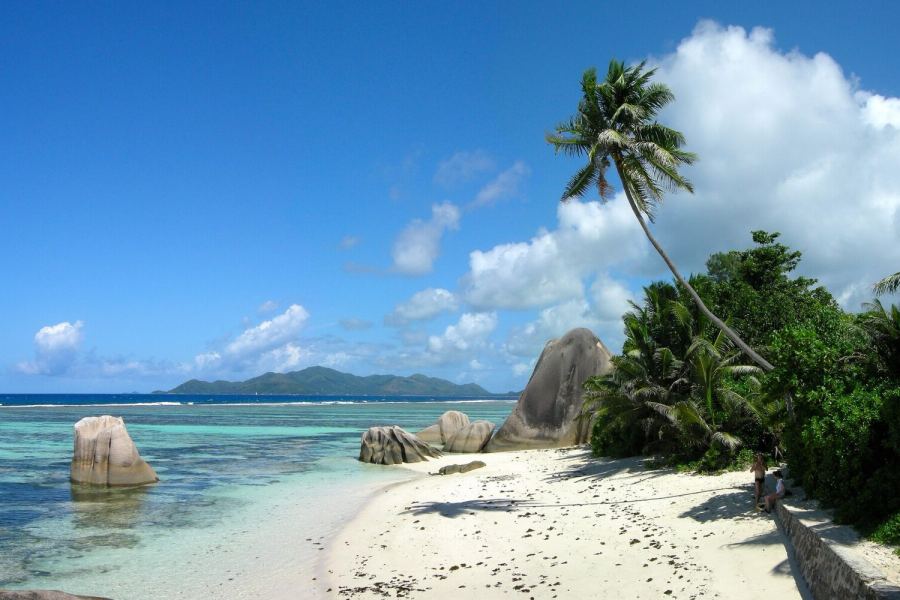
Daniel Case / Wikimedia Commons (CC BY-SA 4.0)

A first safari is often planned backwards. A lodge catches the eye, and only later does it emerge that it sits in a landscape nobody had pictured, in a month when the animals have moved on. It is better to begin with the country. Each of the six classic safari destinations offers a genuinely different experience: different terrain, different ways of moving through it, and different ideas about how many visitors a wild place should hold.

Six countries, six kinds of safari

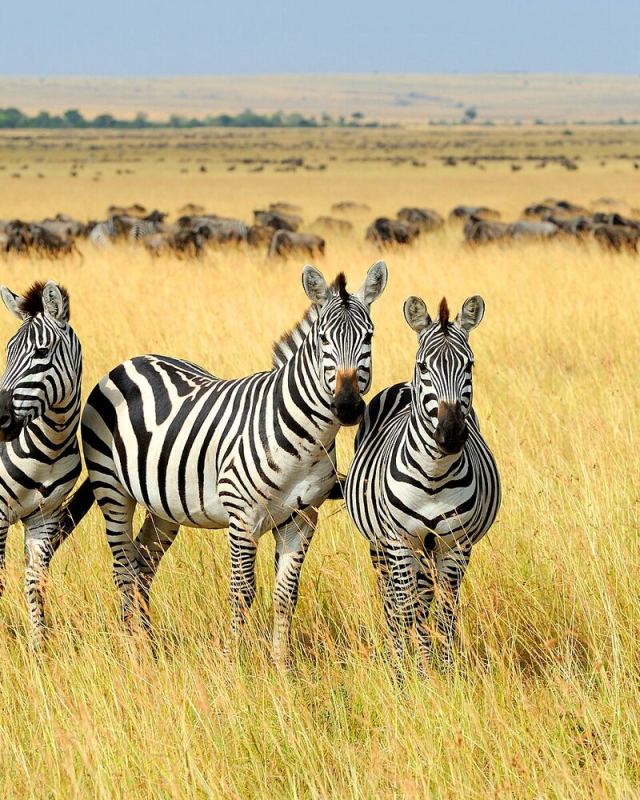
Kenya and Tanzania share the East African savannah: open grassland, enormous skies and the wildebeest and zebra migration that circles between Tanzania's Serengeti and Kenya's Maasai Mara through the year. This is the classic picture, and a great deal can be seen from a vehicle. In Kenya, the private conservancies bordering the Mara reserve have changed the experience. Mara Plains Camp has just seven tents in the Olare Motorogi Conservancy, land leased from Maasai owners, so a sighting seldom has to be shared with another vehicle. In Tanzania, Singita Sasakwa Lodge commands a private concession of some 350,000 acres on the Serengeti's western corridor, which the herds typically pass through between roughly May and July.

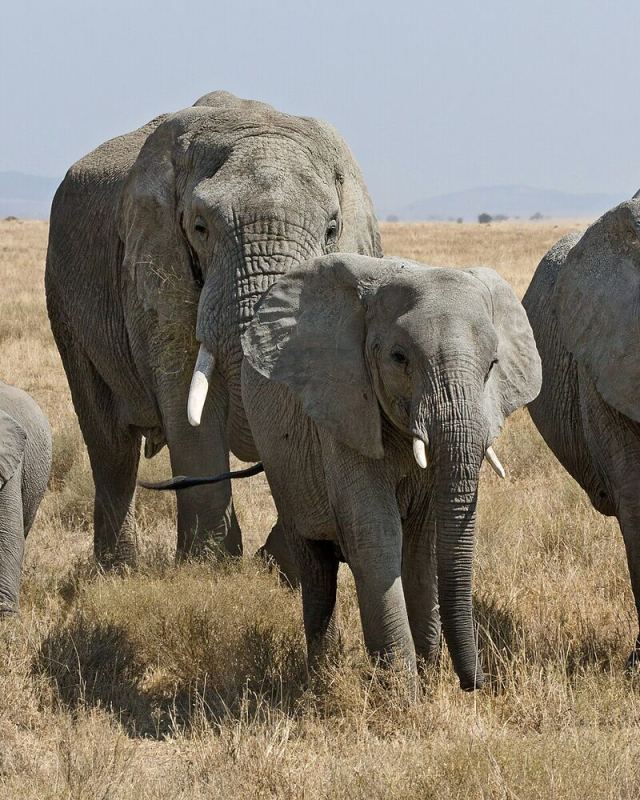
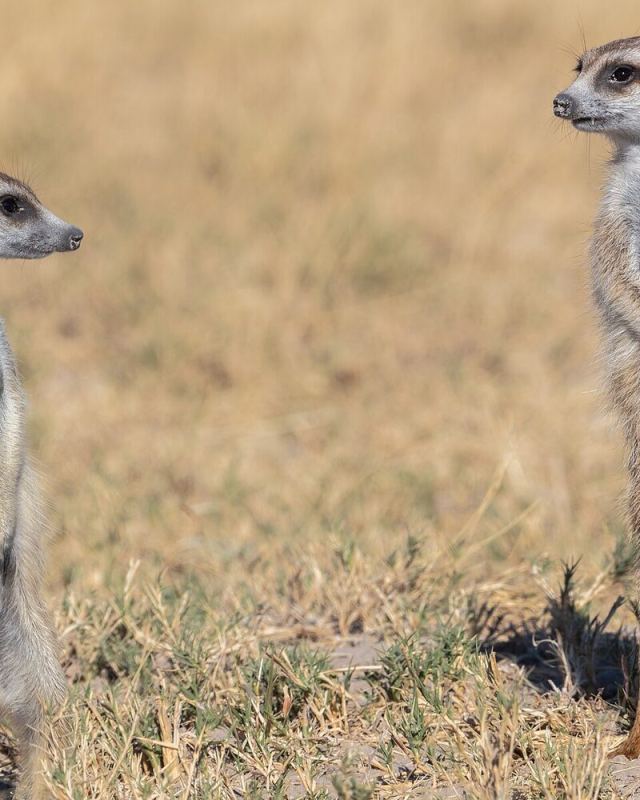
Botswana is about water and space. Each year the Okavango Delta floods with rain that fell months earlier in the Angolan highlands, turning dry plains into a maze of channels and islands, and the country's preference for few visitors at high prices shows in both the quiet and the bill. andBeyond Sandibe Okavango Safari Lodge has its own concession beside Moremi and Chief's Island, where big elephant herds, buffalo, lion and leopard are all resident. South-east of the Delta, Jack's Camp faces the Makgadikgadi salt pans, where the activities are meerkats, quad bikes on the pan crust and walks with Bushmen guides: a very different Botswana.

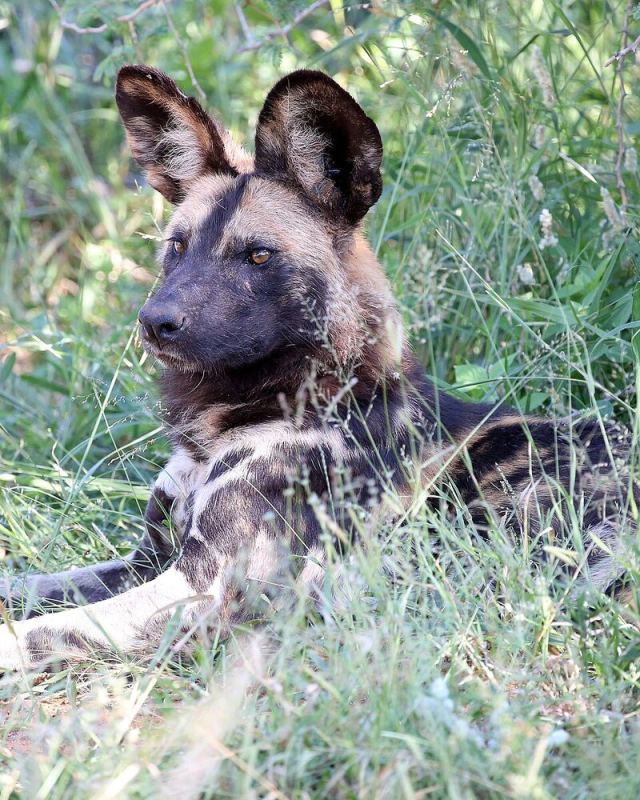
South Africa is the easiest introduction. Logistics are straightforward, lodges are polished, and the private reserves of the Greater Kruger share an unfenced boundary with the national park. Singita Ebony Lodge, on the Sand River in the Sabi Sand, is in some of the most dependable leopard country in Africa. Families often prefer malaria-free reserves such as Madikwe, where Jamala Madikwe Royal Safari Lodge has just five villas, the Big Five and a monitored population of wild dog, about four hours' drive from Johannesburg.

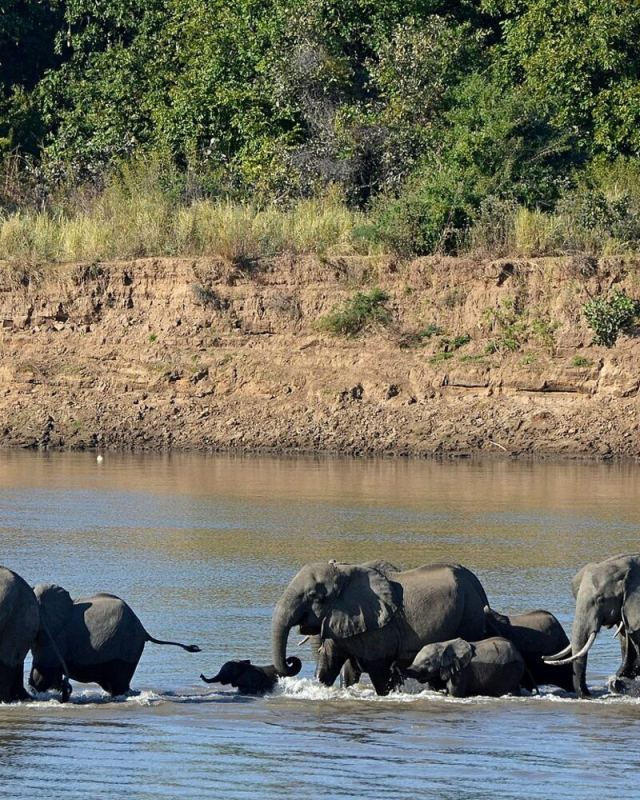
Zambia is for those who want to walk. South Luangwa is widely credited with inventing the walking safari, and at Time + Tide Chinzombo, across the river from the park, mornings often start on foot. The valley is also famous for its leopard, which occur here in unusually high numbers.

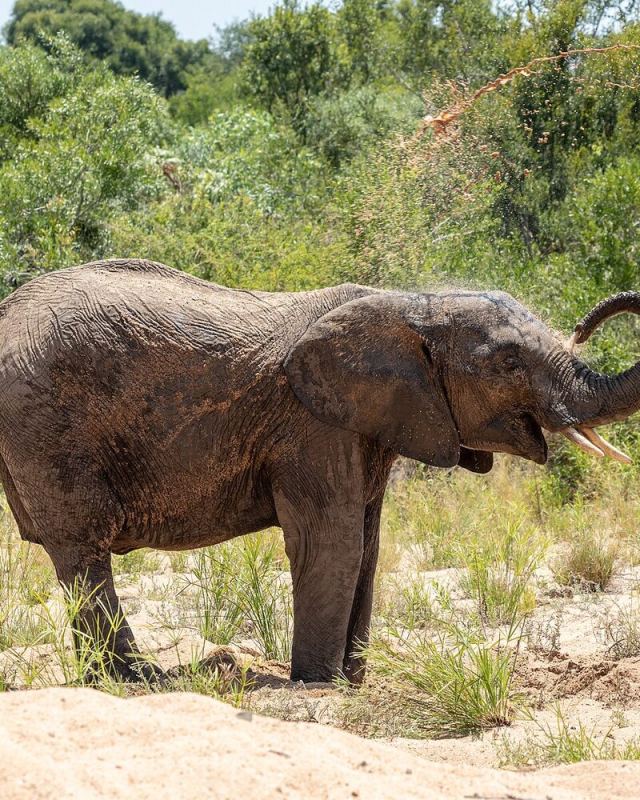
Zimbabwe pairs naturally with Victoria Falls. Hwange is known for the elephant that gather at its waterholes as the land dries, and Wilderness Linkwasha Camp, on a private concession near the Ngamo Plains, is under an hour's flight from the falls.

When to go, and the case for the green season

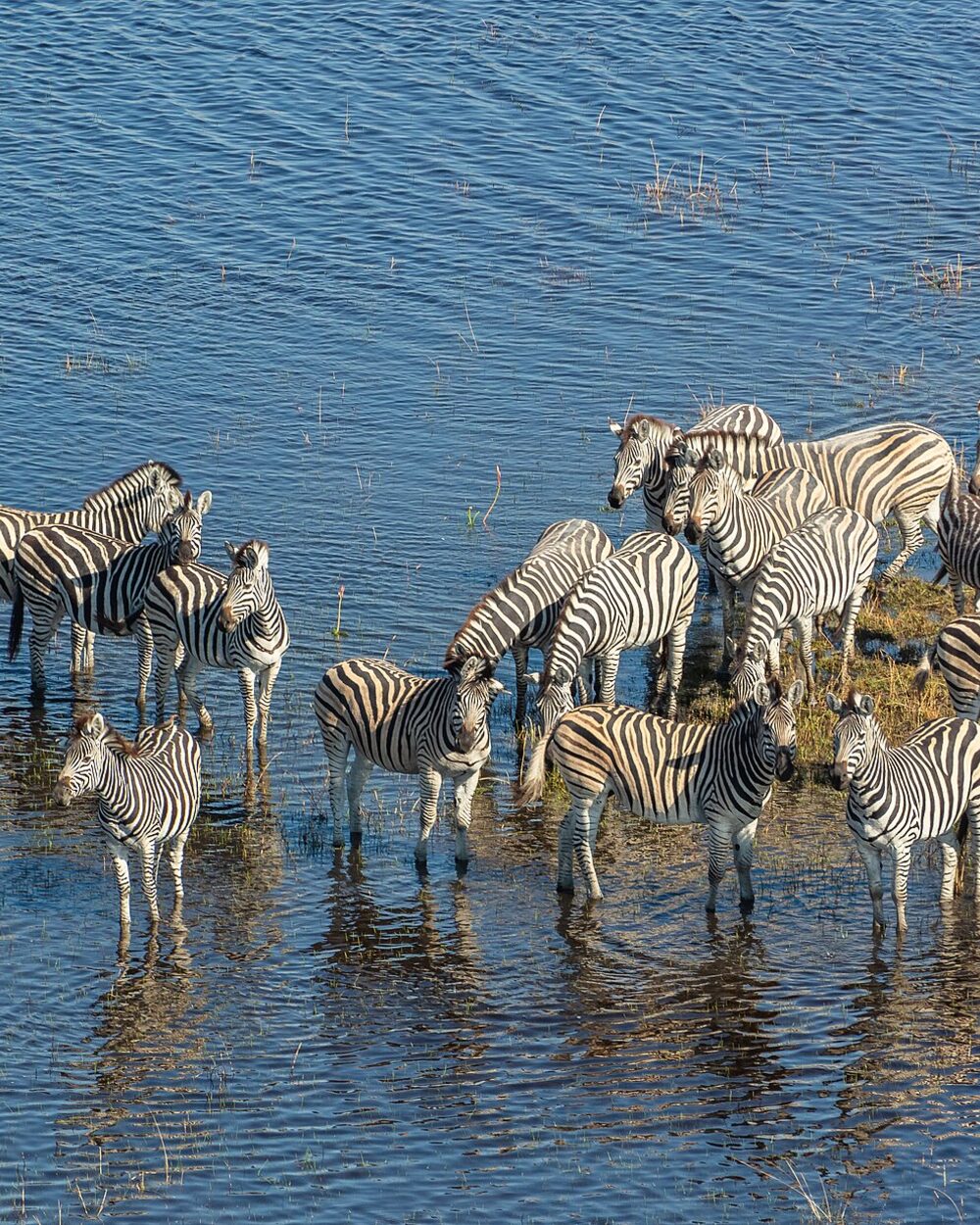
In southern Africa the dry winter, roughly May to October, is peak season. The bush thins, water becomes scarce and animals concentrate around what remains, which makes them easier to find. Dawn drives can be properly cold. The green season, roughly November to April, brings afternoon storms, lush landscapes, newborn animals and migrant birds, along with fewer vehicles and lower rates. Some places are at their best then: the Makgadikgadi grasslands draw large numbers of zebra and wildebeest in the wet months. The catch is that some camps close, particularly in Zambia; Chinzombo is unusual in staying open year round.

East Africa has two rainy seasons, the long rains around April and May and shorter rains around November. The migration follows the rain rather than the calendar: calving in the southern Serengeti early in the year, the western corridor around mid-year, and the Mara River crossings from roughly July to October. Timings shift from one year to the next, so treat any month as a probability rather than a promise.
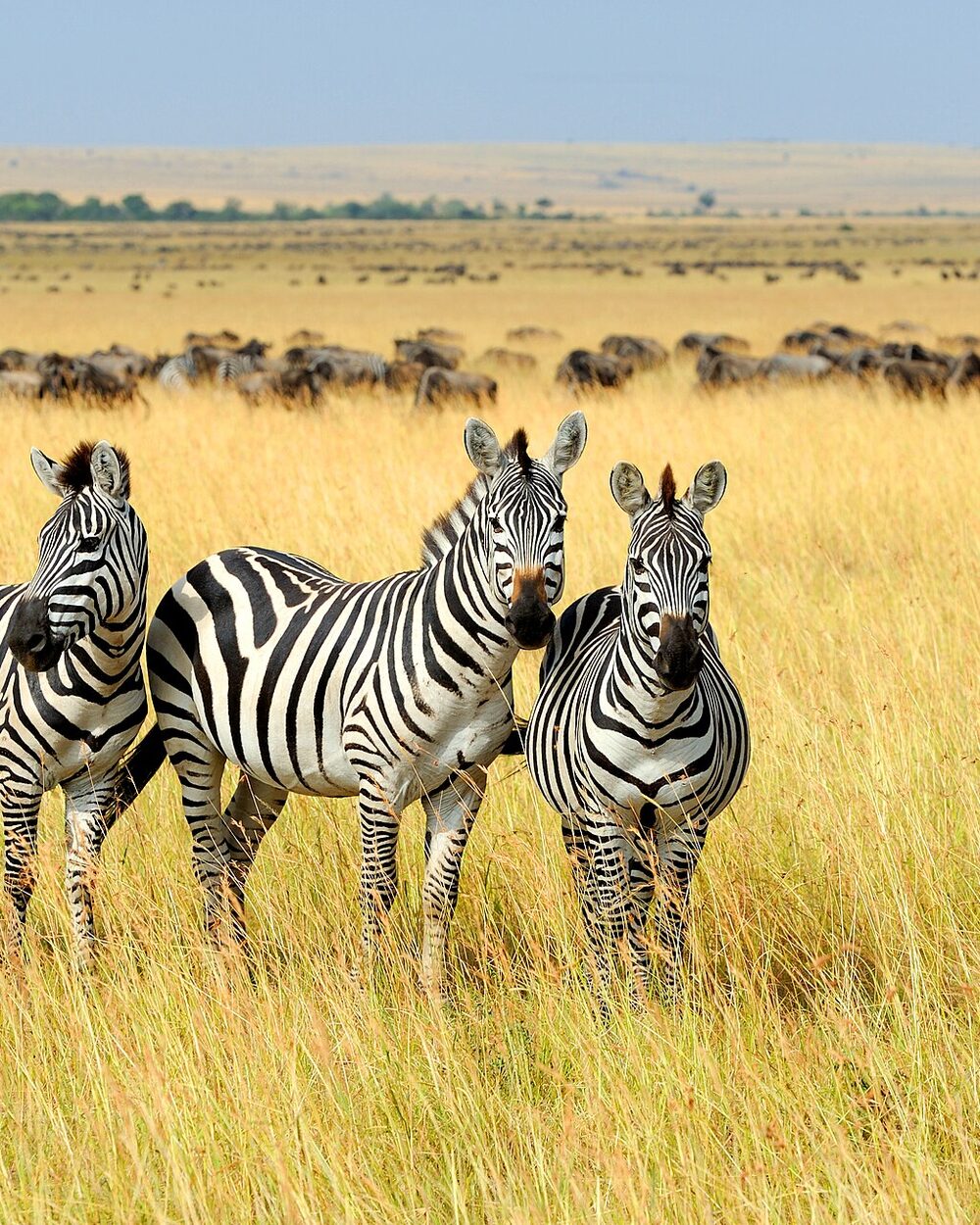
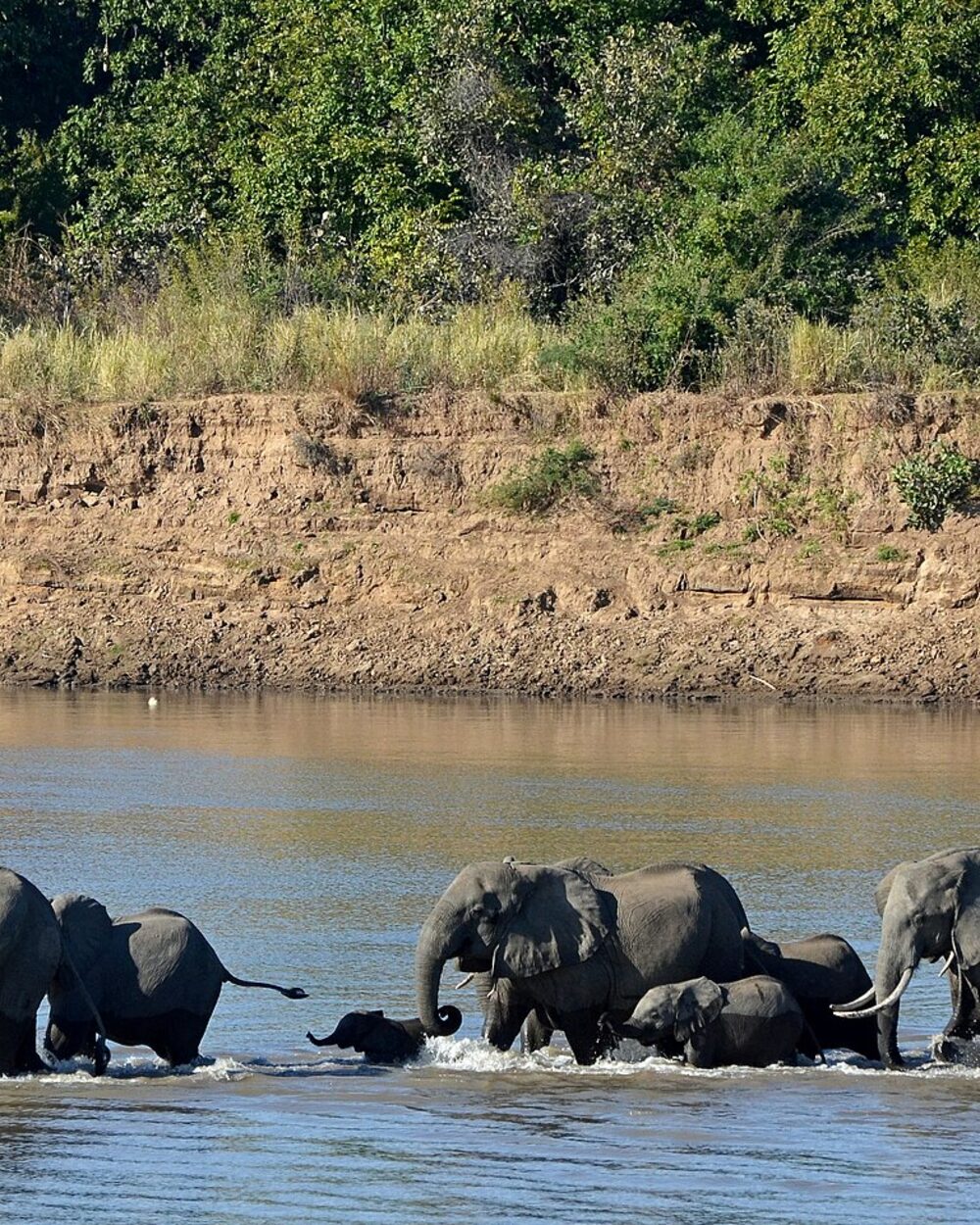
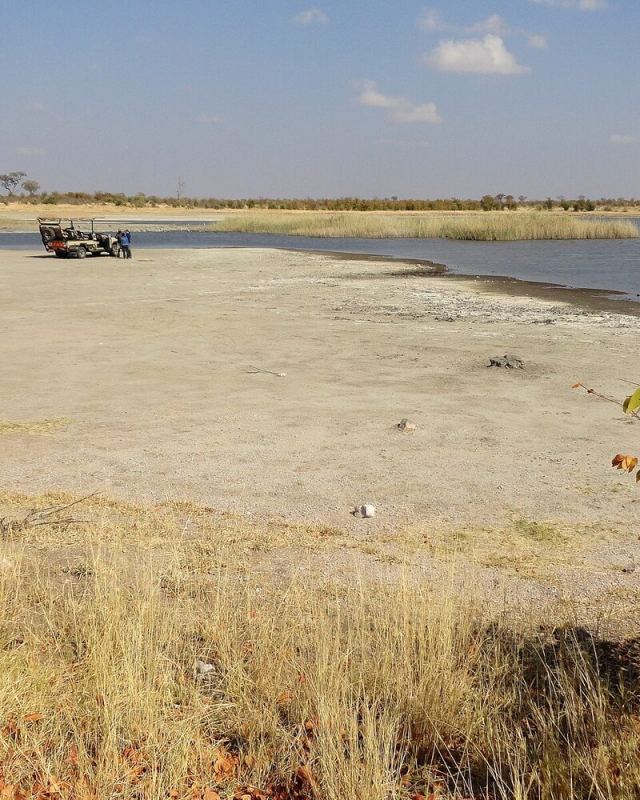
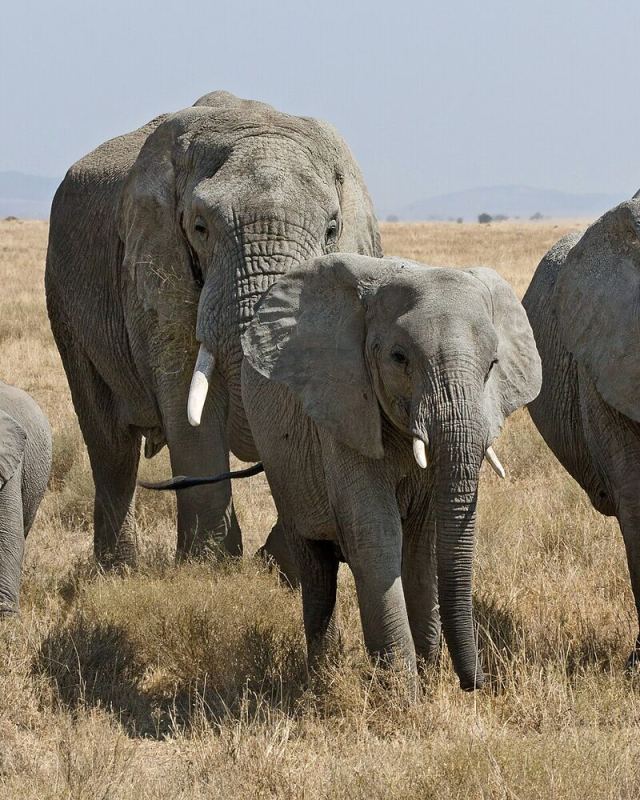
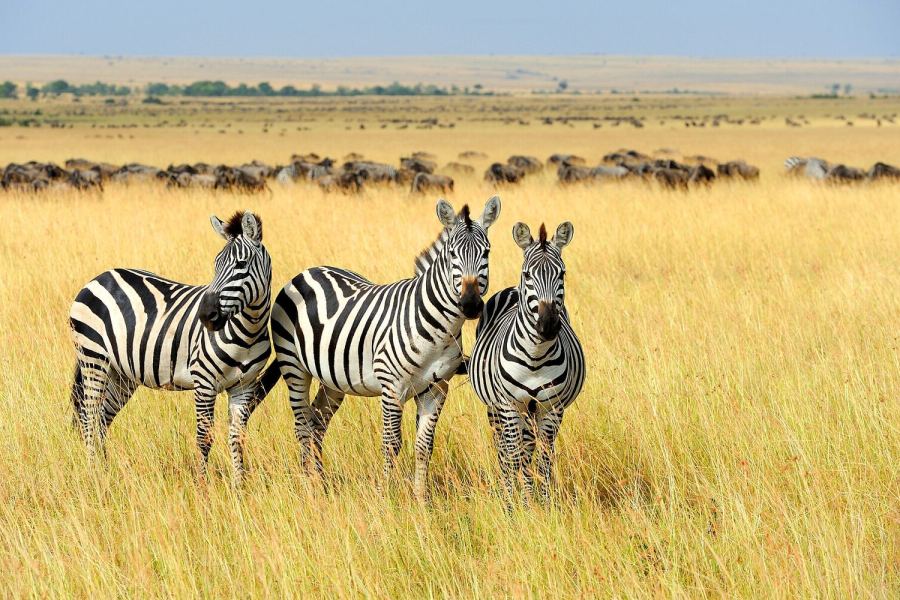
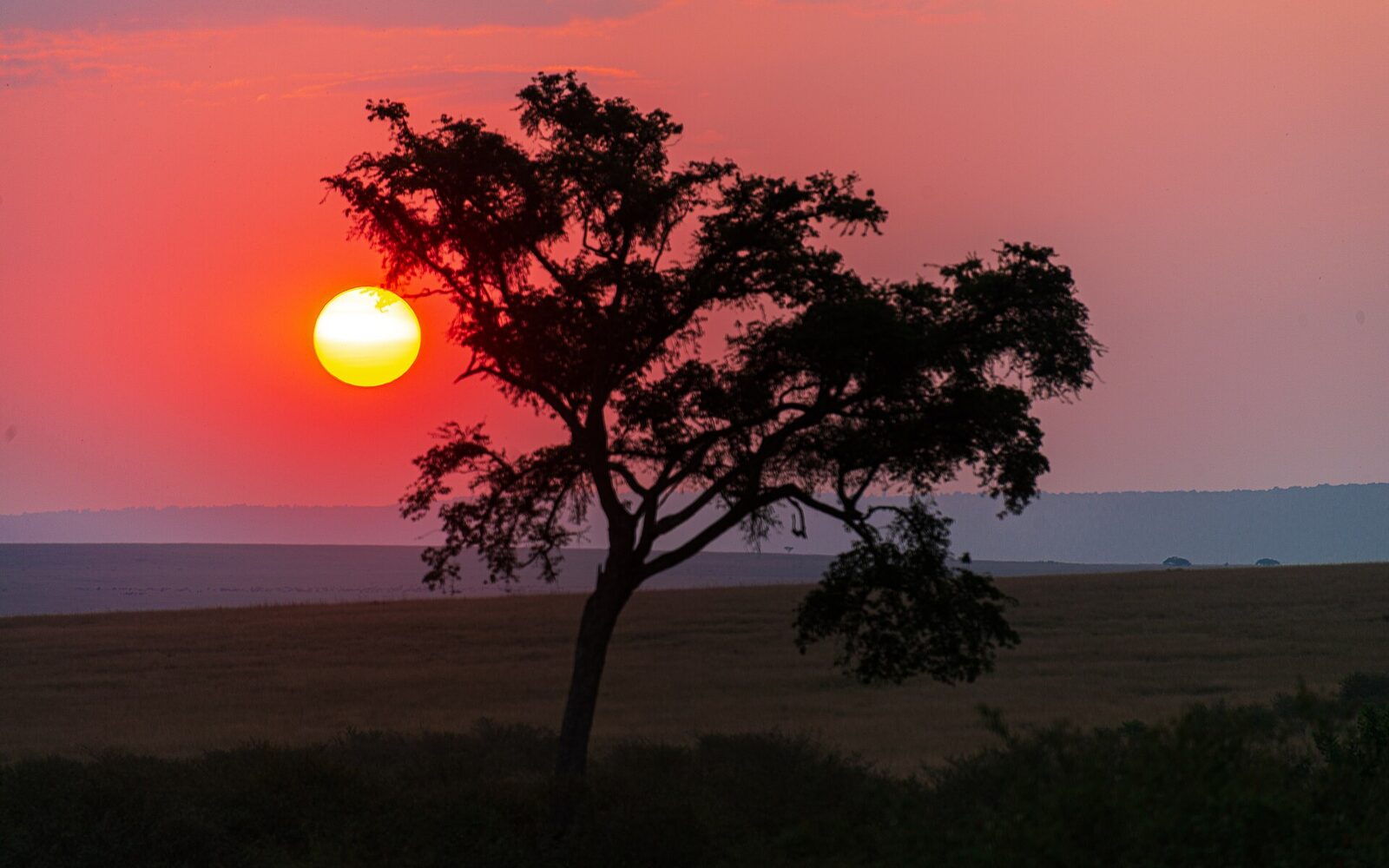
Photographs: Wikimedia Commons contributors — select to enlarge for full credits.

Driving, walking and the water

Most days follow the same rhythm: an early drive, a long pause through the heat, and a second drive into dusk. Vehicles cover ground efficiently, and animals largely ignore them. Walking is slower and more absorbing, a matter of tracks, birds, plants and the sharpened senses that come with being on foot beside an armed guide. On water, the mokoro channels of the Okavango and the canoe trails of the Lower Zambezi add another dimension. For a first trip, a mix works best: mostly drives, with at least one walk.

Private concessions or national parks?

This is the distinction first-timers most often miss. In national parks, vehicles are generally kept to roads, drives end at dusk and walking is restricted, though rules vary by country and park. Private concessions and conservancies set their own terms. At Sandibe, for instance, guides can leave the track and drive after dark, neither of which is allowed in the reserve next door, and the operator controls vehicle numbers. In practice that means following a leopard off the track, seeing nocturnal species by spotlight, and sightings without a queue.

National parks still have their place, particularly in Tanzania, where they are vast. Four Seasons Safari Lodge Serengeti is inside the park in the central Serengeti, close to the Seronera valley, with the infrastructure of a hotel (a spa, several restaurants and a discovery centre for children), which suits families and anyone who would rather not sleep under canvas.

Why rates are quoted per person

Safari camps usually quote per person per night, based on two sharing, because the cost follows the guest rather than the room: meals, drinks, guided activities, laundry and often park or conservancy fees, plus the considerable logistics of supplying a remote camp. Indicative starting rates in this directory, all per person sharing and fully inclusive, run from around USD 850 at Linkwasha and USD 1,115 at Jamala to about USD 2,680 at Sandibe and USD 3,200 at Singita Ebony. The Four Seasons, by contrast, prices per room like a hotel, from around USD 950 a night, so check what is included before comparing figures.

Ask whether light-aircraft transfers and premium drinks are covered, expect a supplement for travelling alone, and remember that the green season can bring the same camp within reach for considerably less.

In this guide

The retreats

Every property mentioned above, with rates, seasons and photographs. Rates are indicative — confirm with the property.

Safari Lodge

Maasai Mara · Kenya

Mara Plains Camp

Great Plains Conservation's flagship Mara camp, with loaned Swarovski optics in every tent.

From $1,745 per person, all inclusive ★★★★★
Safari Lodge

Serengeti · Tanzania

Singita Sasakwa Lodge

Singita's flagship Grumeti lodge: nine hilltop cottages, a stable, a wine cellar and vast private land.

From $2,550 per person, all inclusive ★★★★★
Safari Lodge

Okavango Delta · Botswana

andBeyond Sandibe Okavango Safari Lodge

A striking shingled lodge on a private concession bordering Moremi and Chief's Island.

From $2,680 per person, all inclusive ★★★★★
Safari Lodge

Makgadikgadi · Botswana

Jack's Camp

Ten green canvas tents facing the Kalahari's salt flats, with meerkats and quad bikes.

From $2,095 per person, all inclusive ★★★★★
Safari Lodge

Greater Kruger · South Africa

Singita Ebony Lodge

Singita's original Sabi Sand lodge, on private river frontage in prime Big Five territory.

From $3,200 per person, all inclusive ★★★★★
Safari Lodge

Madikwe · South Africa

Jamala Madikwe Royal Safari Lodge

An intimate five-villa lodge in Madikwe, one of the largest malaria-free reserves in Africa.

From $1,115 per person, all inclusive ★★★★★
Safari Lodge

Eastern Province · Zambia

Time + Tide Chinzombo

Six large villas with private pools on the Luangwa, opposite the national park boundary.

From $1,330 per person, all inclusive ★★★★★
Safari Lodge

Matabeleland North · Zimbabwe

Wilderness Linkwasha Camp

Private-concession camp in southern Hwange, overlooking a waterhole on the Ngamo Plains.

From $850 per person, all inclusive ★★★★★
Safari Lodge

Serengeti · Tanzania

Four Seasons Safari Lodge Serengeti

The brand's first sub-Saharan lodge: 77 rooms, five villas and a waterhole below the pool deck.

From $950 per room per night ★★★★★