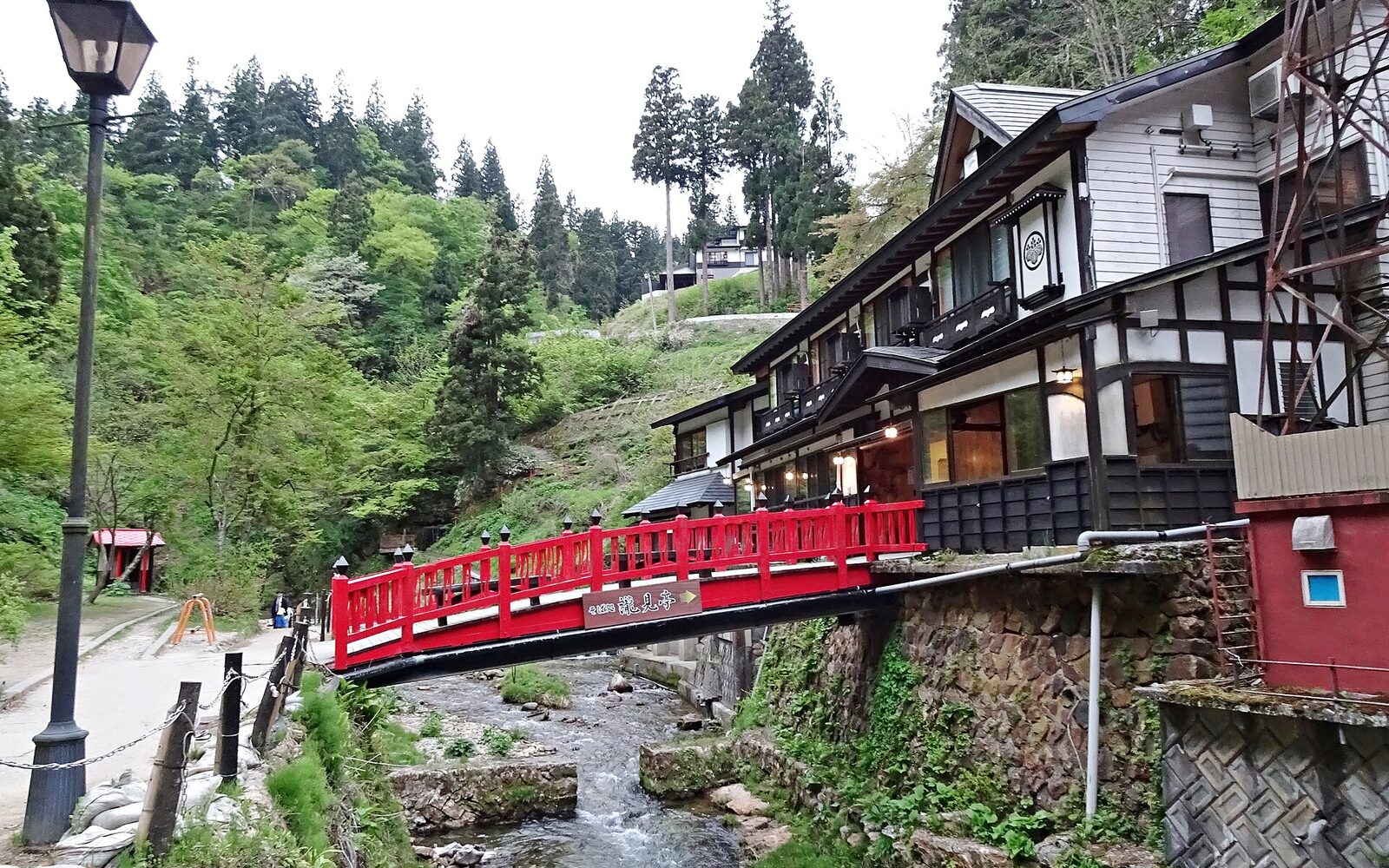
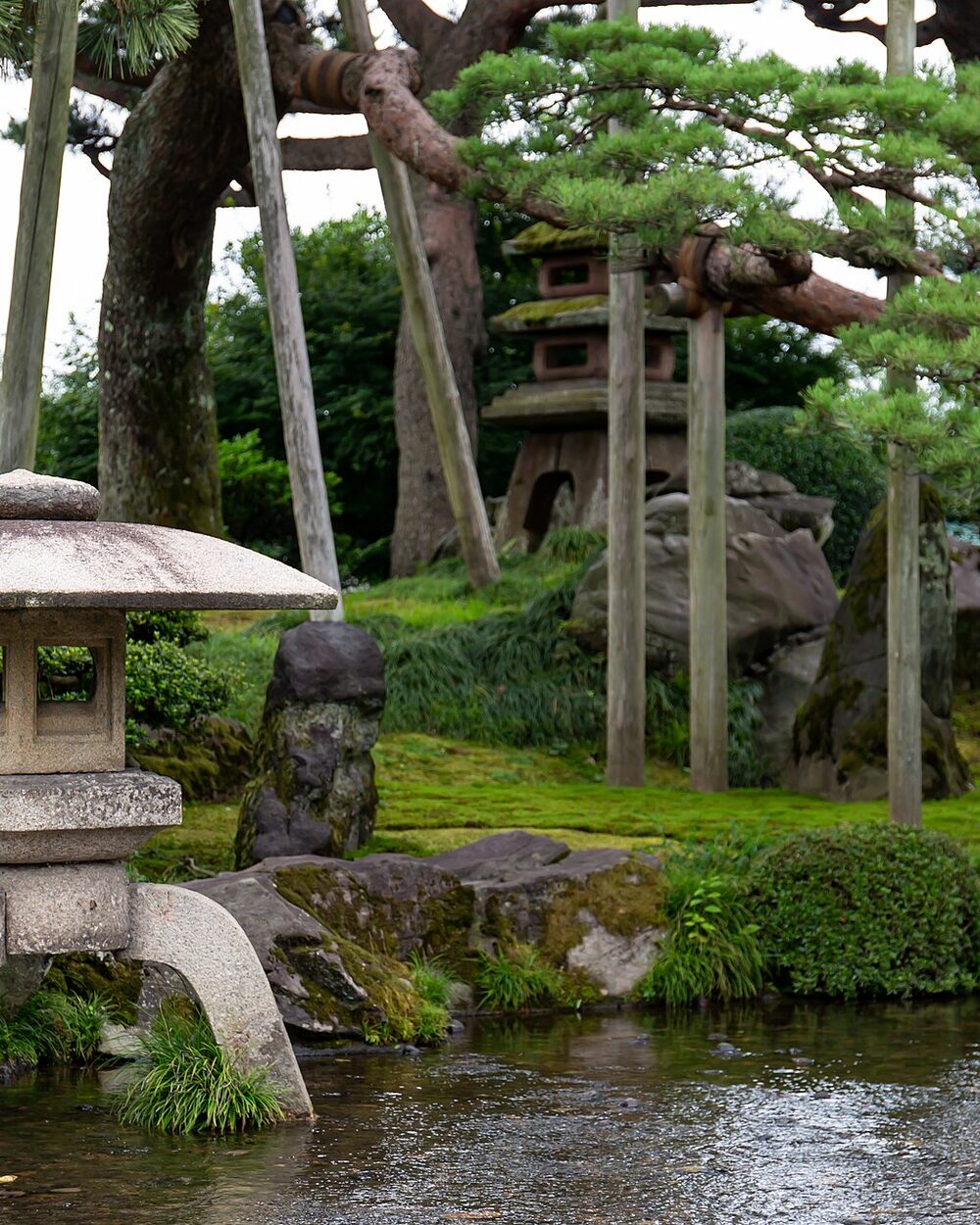
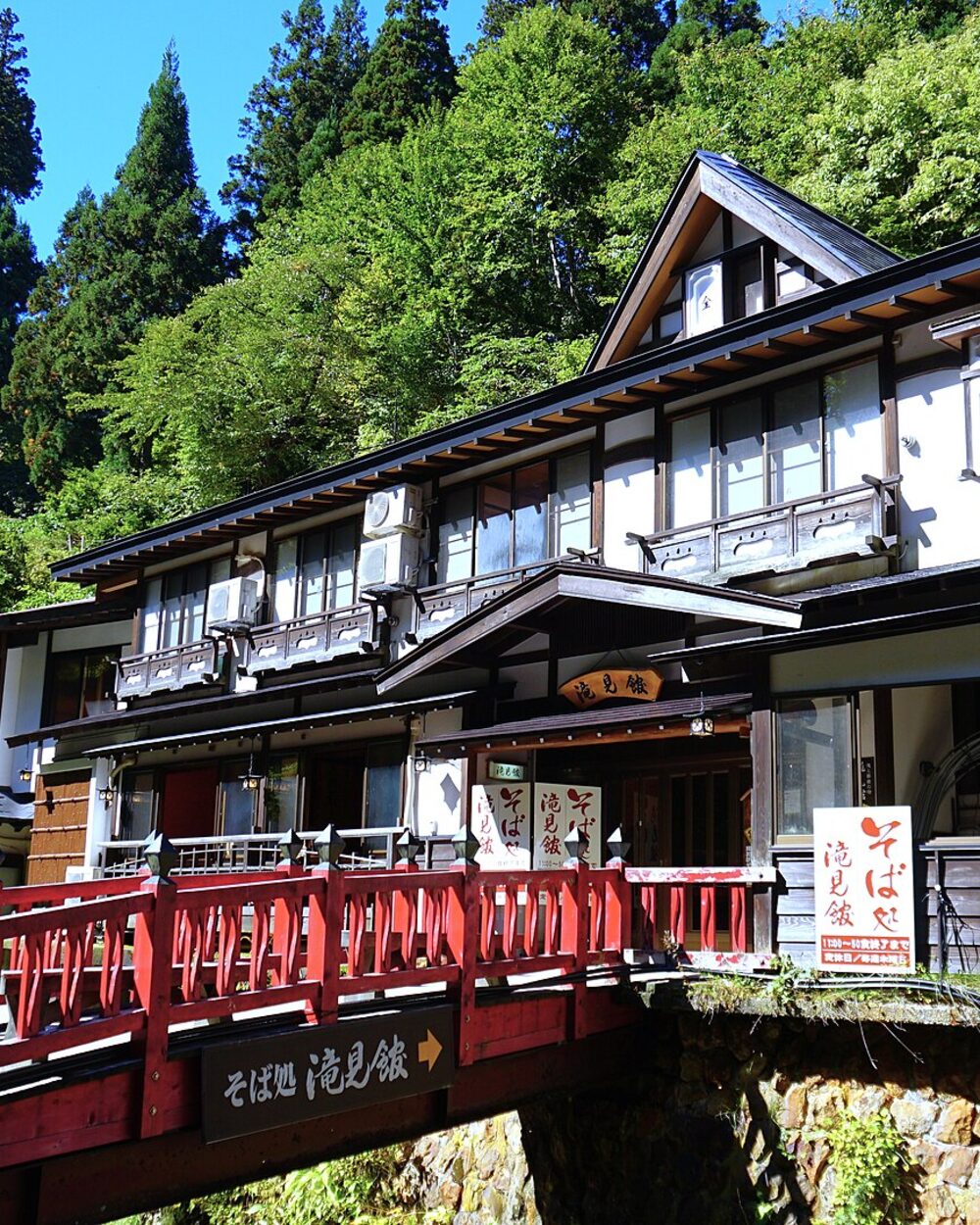
A ryokan is a traditional Japanese inn, and the easiest way to understand one is as a sequence rather than a room. You arrive in the afternoon, bathe, change into a cotton robe, sit down to a long seasonal dinner, and return to find a futon laid out where the table stood. In the morning you bathe again before a Japanese breakfast. The furnishings matter far less than that rhythm, and a single night done properly often becomes the part of a Japan trip people describe first when they get home.
The rhythm comes with conventions. None is difficult, staff are used to first-time foreign guests, and observing them is part of what makes the stay feel unlike a hotel.
Arrival, slippers and the yukata
Check-in is usually mid-afternoon and check-out mid-morning, and it pays to arrive early: the hours before dinner belong to the bath and the garden. Shoes come off at the entrance, where slippers are waiting. The slippers come off in turn before you step onto tatami, the woven rush mats of the guest rooms, and a separate pair is often left at the lavatory door for use there only.
In the room you will find a yukata, a light cotton robe, usually with a padded jacket in cooler months. Wear it to the bath, around the inn and, at most ryokan, to meals. Wrap the left side over the right; right over left is reserved for dressing the dead, and it is the one slip likely to earn a gentle correction. At traditional inns an attendant, the nakai, is often assigned to you for the whole stay, serving dinner and laying out the bedding while you are elsewhere.
The bath
Many ryokan are built around hot-spring bathing, or onsen, and the etiquette is consistent across Japan:
- Wash thoroughly at the seated shower stations first, rinsing off every trace of soap before you approach the bath.
- Bathe naked; swimsuits are not worn. The small towel stays out of the water, folded on your head or left at the edge.
- Tie long hair up, keep your voice low, and don't swim or splash.
- Shared baths are normally separated by sex, often signalled by coloured noren curtains, and some inns swap the two sides at set hours.
Tattoos can still be a problem in shared baths. The simplest answer, and one reason private baths are so prized, is a room with its own. Four of the five inns below offer private hot-spring baths in some or all rooms.
Photographs: Wikimedia Commons contributors — select to enlarge for full credits.
Kaiseki: dinner as the main event
Kaiseki is Japan's formal multi-course cuisine, a procession of small dishes shaped by the season: perhaps an appetiser, a seasonal platter, sashimi, something simmered and something grilled, then rice, miso soup and pickles to close. It is often served in your room or a private dining room at a time agreed on arrival. Because the menu is planned in advance, allergies and dietary requirements should be raised when you book, not at the table. Breakfast follows the same logic in a gentler key: grilled fish, rice, pickles, miso.
How ryokan pricing works
This is where visitors are most often caught out. Ryokan rates are usually quoted per person rather than per room, and normally include dinner and breakfast. A couple therefore pays roughly twice the headline figure, and prices move with the room category, the season and the day of the week, with Saturdays and holiday periods at a premium. Drinks are generally extra, and tipping is not expected in Japan.
The ryokan in this directory are listed on that per-person basis, with indicative rates from around US$500 to US$750 per person. Set against a Tokyo hotel room they look steep; set against a hotel room plus a serious tasting-menu dinner, rather less so.
Five ryokan in the directory
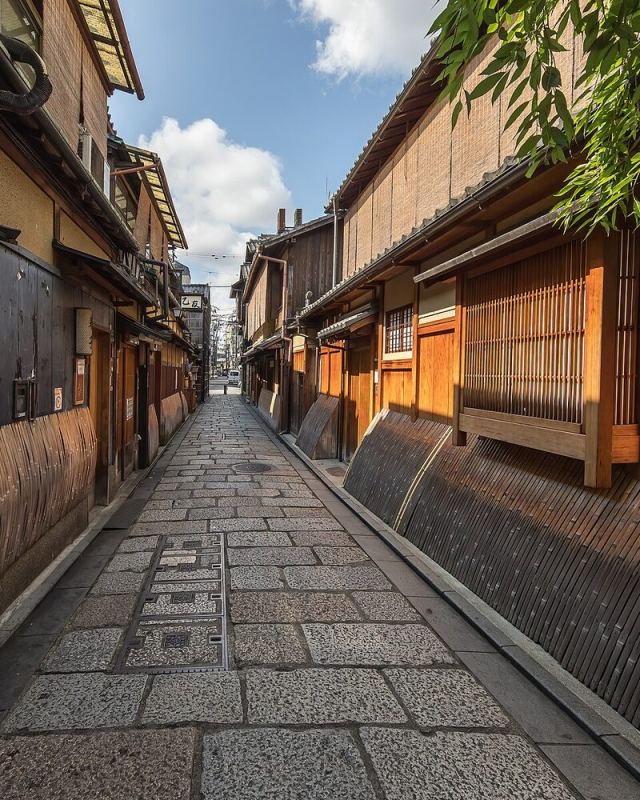
Hiiragiya Ryokan, in central Kyoto, has been run by the Nishimura family since 1818. Its appeal is craft rather than grandeur: hand-planed cedar, copper baths, scrolls changed with the season, and a kaiseki dinner brought course by course to your room. The blossom weeks of early April and the maple season of late November sell out months ahead.
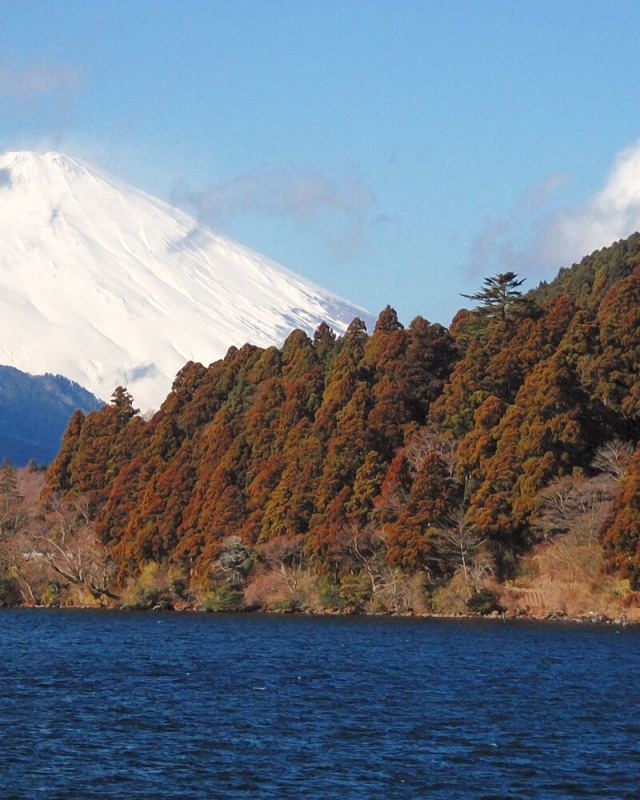
Gora Kadan occupies the former summer villa of a branch of the imperial family, on a wooded slope in Hakone roughly ninety minutes from Tokyo, which makes it one of the easiest traditional ryokan to reach. Several rooms come with their own outdoor hot-spring bath on a deck, and November's autumn colour books out first.
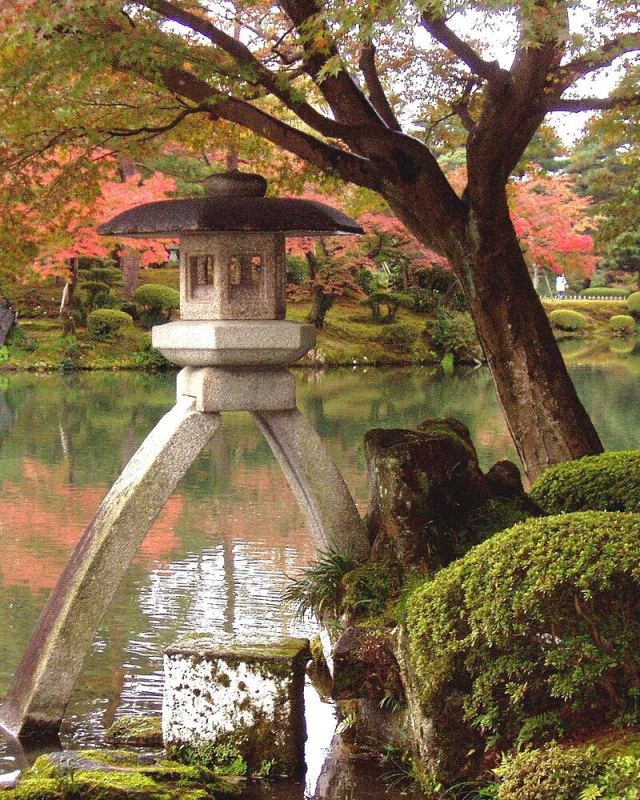
Beniya Mukayu, at Yamashiro Onsen an hour's drive south of Kanazawa, is a sixteen-room family inn opened in 1928. Most rooms have their own outdoor bath, the owner frequently opens the day with a tea ceremony, and from roughly November to March Kaga's snow crab appears on the menu.
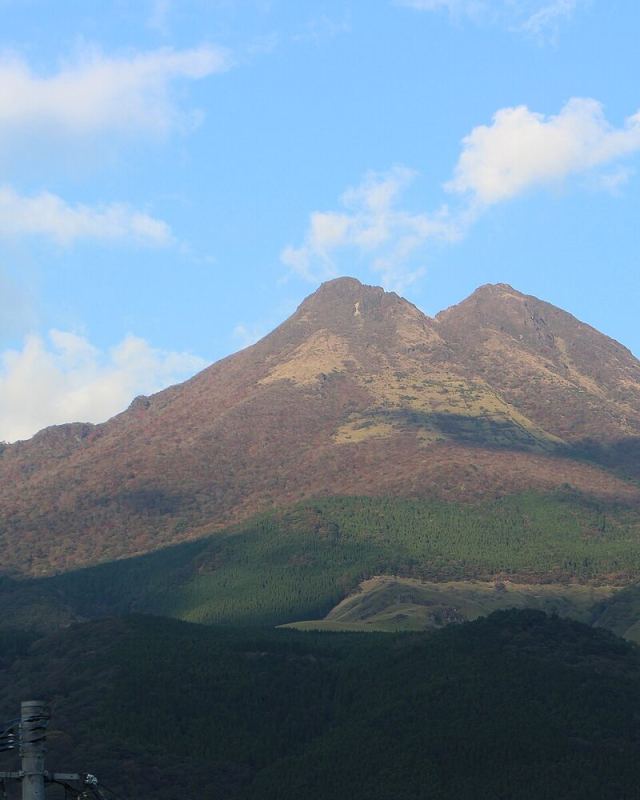
Sanso Murata, in the hills above Yufuin on Kyushu, is made from old farmhouses dismantled elsewhere and reassembled as a dozen cottages, each with its own hot-spring bath. Autumn mists fill the basin below, and winter suits its steaming outdoor baths.
Zaborin, among the birches of Hanazono in Niseko, is the contemporary reading: fifteen villas, each with an indoor and an outdoor bath drawn from the property's own spring, and a northern take on kaiseki built on Hokkaido seafood and game. January and February bring the deep powder snow skiers come for.
If you want the bath without the full ritual
Some travellers would rather have a bed than a futon, and a choice rather than a set sequence. Amanemu, in Ise-Shima National Park, gives each suite a private onsen bath on its terrace while running as a resort, and Hoshinoya Karuizawa, just over an hour from Tokyo by shinkansen, raises its pavilions on stilts above a valley of streams, with a public bathhouse dating from 1915. Both are priced per night rather than per person, and neither will test your yukata technique.